
What documents are needed when selling a car with finance owing?
The documents you need when selling a car with finance owing in Australia: payout letters, PPSR discharge, finance agreements, and what to hand over at settlement.

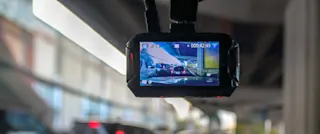
The argument for a dashcam is essentially this: they cost $100 to $400, and the one time they matter, the footage is worth more than any amount you spent. The argument against is mostly that most people never need it, and a camera sitting in the window doing nothing is easy to dismiss as unnecessary spending. Both things are true at the same time. The question isn't really whether dashcams have value in theory: it's whether the specific risks you face on Australian roads justify having one fitted. For most regular commuters, the answer is yes. Here's why, and what actually matters when you go to buy one.
The primary use case is protection in an at-fault dispute. When two drivers give different accounts of an incident to insurers or police, footage that clearly shows what happened becomes the deciding factor. Without it, the dispute often comes down to word against word, which can be costly even when you were clearly not at fault.
The secondary use case is deterrence and documentation while parked. Many dashcams include a parking mode that records when the camera detects motion or an impact while the engine is off. For anyone who parks on busy streets, near school zones, or in areas where minor bumps happen regularly, this can capture the car or person responsible for damage that would otherwise go unacknowledged.
A third use case matters specifically for rideshare drivers. A dashcam recording provides documentation in the event of a passenger complaint. False or exaggerated complaints do happen, and footage showing the interior or the journey can counter them. Both front-facing and interior-facing configurations exist for this purpose.
Dashcams are legal on all Australian public roads. There is no state or territory prohibition on using a camera in your own car while driving on public roads. You can share footage with police and insurers, and that footage is admissible in court proceedings if it is unedited and verifiably from the device.
The nuance is audio recording. Several states have surveillance legislation that may apply to audio recordings made without the consent of all parties in the car, passengers in particular. This varies by jurisdiction and the specific circumstances. In practice, most dashcam recordings relevant to traffic incidents are used for their video content, not audio. If you want to be cautious, most dashcams allow you to disable audio recording in settings without losing any of the video functionality that makes the camera useful.
A front-facing camera captures the road ahead and everything in front of you. That's the camera that records the car that cuts you off, runs a red light, or T-bones you at an intersection. It's the most valuable single piece of footage in most incidents.
A rear-facing camera adds documentation of everything happening behind you: the car that rear-ends you, the driver who follows too closely, the incident that begins from behind. Rear-end collisions are among the most common accident types on Australian roads, and a rear camera often captures exactly the footage that a front camera misses.
A used Kia Carnival or any large MPV has a high boot line that creates a natural blind spot for a front camera, and a rear camera completes the picture. Front-and-rear units cost more than front-only, but the gap in useful coverage is significant. If you're going to fit a dashcam, the rear channel is worth including.
One thing to note: dashcams with parking mode draw power from the battery when the engine is off. If you're relying on this feature and the car sits for extended periods, it's worth keeping an eye on battery health. Knowing the early signs of a battery losing capacity helps you catch problems before parking mode drains it flat.
Resolution is the starting point. A camera that can't produce a legible number plate in daylight is of limited use in a dispute. 1080p is the functional minimum; 1440p or 4K front cameras give you more detail on fast-moving vehicles at a distance.
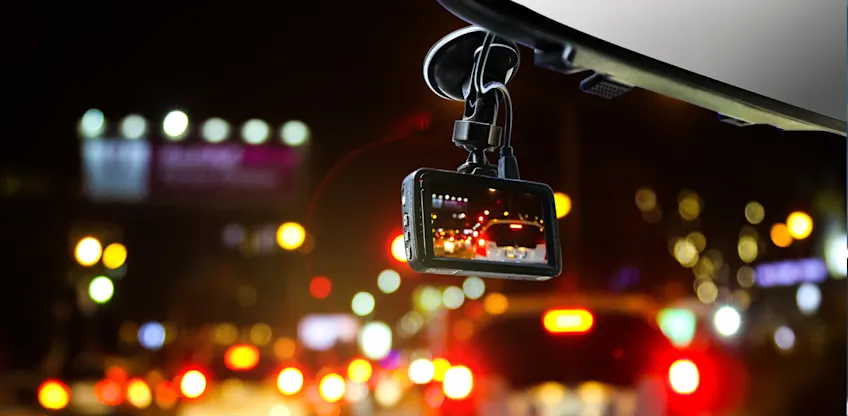
Night performance matters more than daytime resolution for many incidents, because low-light footage is where cheaper cameras struggle. Look at sample footage from the camera in low-light conditions before buying: a 4K camera with poor low-light performance is less useful than a 1080p camera that handles night driving well.
Loop recording is standard on almost all modern dashcams: the camera records continuously and overwrites the oldest footage when the card is full, keeping the most recent hours. Check that the unit you choose has an incident lock function that protects footage automatically when it detects an impact, so an important recording isn't written over before you can save it.
A used Mitsubishi ASX doing a 40-minute city commute twice a day through peak-hour traffic is in the most common high-risk environment: stop-start conditions, dense traffic, frequent intersections. Regular commuters are the drivers most likely to encounter an incident and most likely to benefit from clear footage of it. Used Mazda CX-9 drivers doing rideshare on weekends have an additional incentive beyond traffic incidents: interior documentation that protects against unfounded complaints.
A dashcam costs what a tank of petrol used to cost five years ago. The footage it produces is the one thing that can resolve an insurance dispute without argument, protect your no-claims history, or document a hit-and-run while you're parked at work. You'll use it every day and hope you never need it. Browse used cars at Carma, where every car comes with a full inspection history, which means you're starting with a known commodity rather than wondering what the previous owner left you with.
The documents you need when selling a car with finance owing in Australia: payout letters, PPSR discharge, finance agreements, and what to hand over at settlement.
Not all trim upgrades are worth paying for. Here's which features justify the premium, which ones don't, and how to think about it on a used car.

What happens to your car loan when you sell? The loan doesn't disappear — here's how settlement works in a private sale, through a dealer, and with negative equity.