
How to cool down a hot car fast: the method that actually works
A parked car can hit 60°C inside on a hot Australian day. Here's how to cool it down fast, and what to do before and after you park.

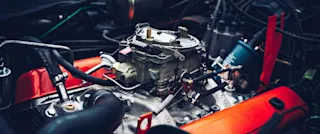

Engine size is the spec sheet number most buyers spend the least time thinking about and probably the one that makes the most practical difference to everyday life. The assumption, that bigger is more capable and smaller is more efficient, isn't wrong exactly, but it misses the fact that a modern small turbocharged engine can be just as capable as a larger naturally aspirated one in many situations, and more efficient in some. The right answer isn't about which number is bigger. It's about matching what the engine does well to how and where you actually drive.
A 1.6-litre turbocharged engine in a modern mid-size SUV is not the same thing as a 1.6-litre naturally aspirated hatchback from fifteen years ago. Forced induction, or turbocharging, allows a small engine to produce power and torque that would have required a much larger displacement in older designs. A used Hyundai Tucson with the 1.6-litre turbocharged petrol produces around 130 kW of power and 265 Nm of torque, numbers that a 2.4-litre naturally aspirated engine from a decade ago would have been proud of.
The trade-off isn't power. It's how and when that power shows up, and how the engine behaves across different driving conditions.
In urban conditions like stop-start traffic, speed bumps, short trips, and tight car parks, a smaller turbocharged engine can offer fuel economy advantages over a larger naturally aspirated one. When the car is pottering around at low speeds, a small engine isn't working hard. A larger engine is carrying more mass and friction for no meaningful benefit in that environment.
The turbocharged engine also doesn't always need to spool the turbo in light city driving, which means it can operate more like the economy-biased small engine it physically is. The result, in everyday suburban use, is often better fuel figures than the headline performance numbers suggest.
On open roads at sustained highway speeds, the picture gets more complicated. A larger naturally aspirated engine running at the middle of its power band, relaxed and not working hard, can be efficient in a way that isn't obvious from city fuel figures alone. It doesn't need to work as hard to maintain 100 km/h, which can mean the throttle sits at a comfortable, economical position for extended periods.
A used Subaru Forester with the 2.5-litre naturally aspirated engine is a good example of this. On a long regional highway run, that engine settles into a comfortable cruise without strain. The smaller turbo equivalent in the same category works differently: when it needs to accelerate from 100 km/h to overtake, the turbo spools and the car drinks noticeably more fuel for that burst than a larger engine doing the same task from a lower-effort starting point.
Neither is categorically more efficient on the highway. The difference depends on how you drive: smooth and steady suits both; frequent overtaking or significant hills tend to favour the larger engine.
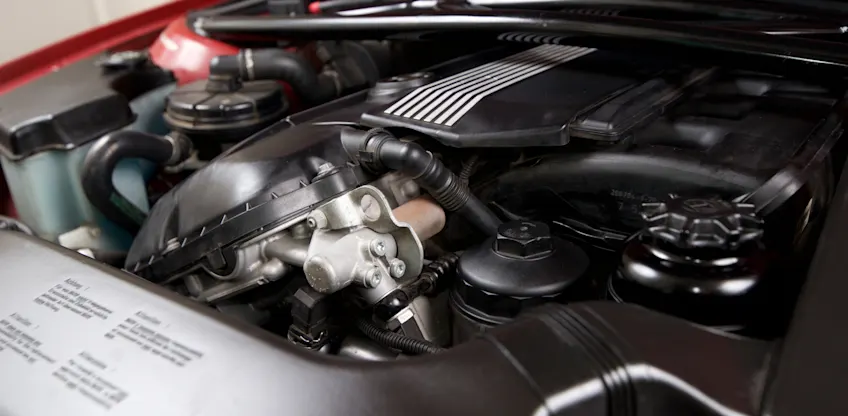
If you regularly tow a boat, a caravan, or a horse float, engine size becomes more directly relevant. Towing puts sustained, heavy load on the drivetrain. A turbo engine under sustained tow load often runs outside its most efficient operating range, working hard to maintain speed and generating heat in the process.
A larger displacement engine managing the same load from a position of greater low-down torque tends to run more comfortably and, counterintuitively, can be more fuel-efficient under that specific sustained load. A used Mitsubishi Outlander in PHEV form brings a different answer again: the electric motor's instant torque delivery handles towing starts cleanly, and the plug-in hybrid system recaptures energy on downhills that a pure petrol engine would waste.
For everything except serious towing, engine size matters less than most buyers assume.
Smaller engines cost less to service and maintain in many cases, though this varies by manufacturer and design. A turbocharged engine has a more complex system, including the turbo itself, intercooling, and higher-pressure fuel injection, which adds variables to long-term reliability. A larger naturally aspirated engine has fewer components working under stress, which some buyers prefer from a simplicity standpoint.
Fuel costs depend heavily on your driving pattern. If your car uses more petrol than expected, the engine size is often less relevant than your driving habits, tyre pressure, and how frequently you're driving in stop-start versus free-flowing conditions.
The right engine is the one that spends most of its time doing what it's good at. If you drive 10 kilometres to work in urban traffic and occasionally head to the coast on a Sunday: a small turbocharged engine will serve you well. If you're regularly covering 300-kilometre return regional trips, or towing anything meaningful: a larger engine or a hybrid powertrain is worth considering. Choose by what you actually do, not by what sounds impressive in a brochure. Carma lists fuel economy figures on every car, so browse the range and compare them in the context of your actual driving pattern.
PHEV or full EV? The right answer depends on how you actually use your car. Here's the honest breakdown for Australian drivers.
A car shaking at idle usually comes down to four causes. Here's how to read what your car is telling you and which ones can wait vs. which ones can't.
We’ve won and been finalists for awards in recognition of our efforts to provide the best care and innovation to our customers.


^ Estimated repayment calculation based on an average rate calculated across all fixed P&I used car loans offered by Carma preferred financiers to eligible applicants purchasing a vehicle aged 0-7 years from build date. The interest rates displayed are guides only and does not reflect an offer for any particular product or your situation and does not imply credit is available to you at this rate. Repayments as a result of this simulation can vary based on your personal circumstances including your credit worthiness. Final rate and all applications subject to financier approval. Fees and charges apply. The direct debit frequency options available from financiers may differ.
†within Greater Sydney
NSW Motor Dealer’s Licence: MD087139 • NSW Motor Vehicle Repairer: MVRL59465
© 2026 Carma
Cars worth knowing about. Tips and news worth reading. All direct to your inbox.