•
•
•
•
•
•
Honoured to be recognised
We’ve won and been finalists for awards in recognition of our efforts to provide the best care and innovation to our customers.
•
•
•
•
•
•
•
•
•
•
•
•
(24 results)
The Mitsubishi Outlander is one of the most consistently popular used SUVs in Australia. It covers the medium family SUV brief across five and seven-seat configurations, and its plug-in hybrid variant is one of the most established PHEVs in the country. A used Mitsubishi Outlander gives buyers access to a versatile, well-sorted family SUV with broad specification availability and a proven track record across two distinct generations.
The Outlander's strength on the used market is its breadth. Buyers who want to reduce fuel costs have the PHEV, which covers most daily commutes on electric power when charged regularly. Buyers who want a straightforward petrol family SUV have the standard Outlander, which delivers reliable five or seven-seat practicality without the added complexity of managing a charging routine. That range of choice within the same model is unusual at this price point, and positions the Outlander as a more versatile proposition than PHEV-only rivals like the used Hyundai Tucson and used Kia Sportage.
Interior quality improved significantly in the fourth generation. Buyers stepping from the third-generation car to the current model will notice a substantial improvement in materials and cabin layout. The third-generation Outlander remains strong value in its own right, particularly at higher kilometres where pricing is more accessible and the mechanical reputation is proven across many thousands of Australian-registered examples.
Running costs on standard petrol variants are competitive in the medium SUV segment. The PHEV delivers meaningfully lower fuel costs for buyers with home or workplace charging, with most daily commutes covered on electricity alone. Without access to regular charging, the PHEV's fuel cost advantage narrows, though the petrol engine operates competently in that scenario.
The third-generation Outlander (GF/GG series, 2012 to 2021) is the most common on the used market. This generation introduced the PHEV variant to Australia, with a battery initially rated at 12 kWh and later updated to 13.8 kWh in revised models, alongside twin electric motors and a 2.0-litre petrol engine. Both five and seven-seat layouts were available, with All Wheel Control standard on higher specifications.
The fourth-generation Outlander (ZL series, from 2022) is a complete redesign with a substantially improved interior, a 20 kWh battery in the PHEV extending electric range beyond the third-generation car, and a more refined overall character. Used fourth-generation examples are available for buyers who want the newest technology without paying new-car pricing. Buyers comparing used plug-in hybrid cars across brands should consider the fourth-generation Outlander PHEV as a strong contender in the segment.
Battery health is the first check on any Outlander PHEV. Ask for available diagnostics and confirm whether the car has been charged consistently or run primarily on petrol. Early PHEV batteries from the third-generation range can show reduced capacity at higher kilometres, and a car that has never been properly charged is not providing the PHEV advantage buyers are paying for.
On petrol variants, check CVT condition. The transmission is smooth when properly maintained but can show early wear if fluid changes have been skipped. Look for shuddering or hesitation when pulling away from a standstill, and confirm transmission fluid service history in the logbook.
Test the All Wheel Control system on AWD variants across its modes. The system is electronically managed and generally reliable, but faults appear on vehicles that have not been maintained. Finance sorted before your search makes the decision faster when you find the right car. Carma's car finance gives you a clear number before you start.
Is the Mitsubishi Outlander PHEV worth buying as a used car?
The Mitsubishi Outlander PHEV is a strong used buy for buyers who charge regularly. The third-generation model offers a proven PHEV system at an accessible price, and the fourth-generation delivers improved electric range and a more refined experience. Battery health should be confirmed on any used PHEV before purchase. Buyers who cannot charge at home will see limited advantage over a conventional petrol SUV.
How many seats does the Mitsubishi Outlander have?
The Mitsubishi Outlander is available in five-seat and seven-seat configurations depending on the variant and generation. The seven-seat version uses a third row best suited to children or occasional adults. The five-seat layout provides more cargo flexibility. Specific seat configuration varied by trim level and production year, so confirm the seat count on the specific listing before purchase.
How does the used Outlander compare to the Toyota RAV4?
The used Toyota RAV4 is the Outlander's closest competitor and generally commands a higher used price due to stronger residuals. The RAV4 is available as a self-charging hybrid, while the Outlander's advantage is the PHEV powertrain with longer electric-only range. For buyers who want to maximise electric driving without switching to a full EV, the Outlander PHEV is typically the stronger argument.
What are the main alternatives to the used Mitsubishi Outlander?
The Hyundai Tucson and Kia Sportage are direct rivals, both available in plug-in hybrid form in recent generations. The used Mazda CX-5 suits buyers who prioritise interior refinement and driving feel over electrification. The used Honda CR-V offers a self-charging hybrid option alongside strong practicality.
What is the fuel economy of the Mitsubishi Outlander PHEV?
Fuel economy on the Outlander PHEV depends heavily on how often the car is charged. Buyers who charge daily and commute regularly can achieve very low consumption figures, with most urban driving completed on electricity. Buyers who do not charge regularly will see consumption closer to a standard petrol SUV. Treat official ADR figures as a benchmark rather than a real-world guarantee, and base your expectation on your own charging access.
What should I look for when buying a used Mitsubishi Outlander?
On PHEV variants, confirm battery health and charging history. On petrol models, verify CVT condition and transmission fluid service. Check that the logbook is complete with all stamps present. Test the AWC system on AWD variants. On third-generation models, check interior wear at the seat bolsters and dashboard plastics as a guide to how the car has been treated. Any car offered without a full service history carries additional risk.
Outlanders at Carma go through our NRMA-verified inspection and reconditioning process before they reach the listing, and you have 7 days to drive and decide. If you have a current SUV to move on, get a valuation before you start comparing listings so you know exactly where you stand.
Cars worth knowing about. Tips and news worth reading. All direct to your inbox.
We’ve won and been finalists for awards in recognition of our efforts to provide the best care and innovation to our customers.


^ Estimated repayment calculation based on an average rate calculated across all fixed P&I used car loans offered by Carma preferred financiers to eligible applicants purchasing a vehicle aged 0-7 years from build date. The interest rates displayed are guides only and does not reflect an offer for any particular product or your situation and does not imply credit is available to you at this rate. Repayments as a result of this simulation can vary based on your personal circumstances including your credit worthiness. Final rate and all applications subject to financier approval. Fees and charges apply. The direct debit frequency options available from financiers may differ.
†within Greater Sydney
NSW Motor Dealer’s Licence: MD087139 • NSW Motor Vehicle Repairer: MVRL59465
© 2026 Carma

Set up an alert for your chosen filters and we will send an email when new inventory arrives.
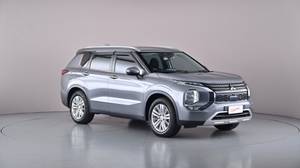
2022 Mitsubishi Outlander
LS 7 SEAT (2WD)
88,435 km • Automatic
$25,190
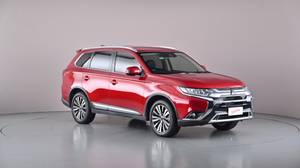
2020 Mitsubishi Outlander
LS 7 SEAT (2WD)
33,191 km • Automatic
$24,990
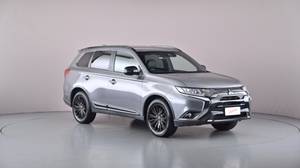
2020 Mitsubishi Outlander
BLACK EDITION 7 SEAT (2WD)
143,479 km • Automatic
$19,990
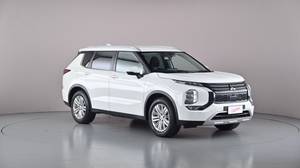
2022 Mitsubishi Outlander
LS 7 SEAT (2WD)
40,482 km • Automatic
$30,990
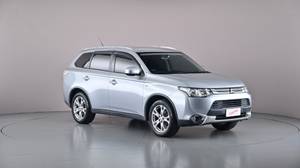
2014 Mitsubishi Outlander
ES (4x2)
144,972 km • Manual
$12,590
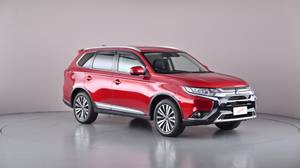
2021 Mitsubishi Outlander
LS 7 SEAT (2WD)
79,391 km • Automatic
$22,590
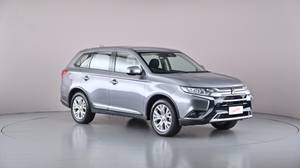
2021 Mitsubishi Outlander
ES 7 SEAT (2WD)
58,112 km • Automatic
$23,190
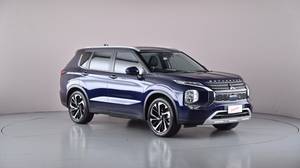
2022 Mitsubishi Outlander
ASPIRE 7 SEAT (2WD)
46,420 km • Automatic
$32,490
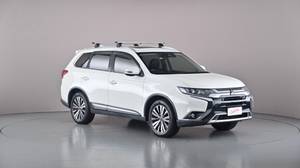
2019 Mitsubishi Outlander
EXCEED 7 SEAT (AWD)
83,375 km • Automatic
$24,690
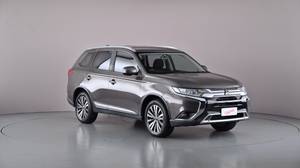
2019 Mitsubishi Outlander
ES 7 SEAT (2WD)
109,288 km • Automatic
$18,990
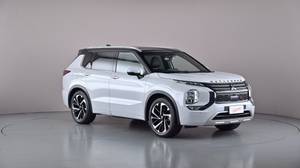
2023 Mitsubishi Outlander
EXCEED TOURER 7 SEAT (AWD)
72,252 km • Automatic
$36,790
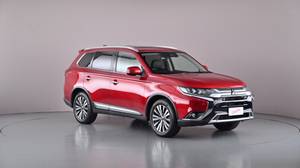
2019 Mitsubishi Outlander
EXCEED 7 SEAT (AWD)
74,924 km • Automatic
$24,490
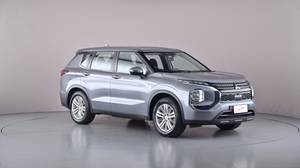
2023 Mitsubishi Outlander
ES 5 SEAT (2WD)
178,791 km • Automatic
$19,990

2022 Mitsubishi Outlander
ES 5 SEAT (2WD)
57,429 km • Automatic
$28,190
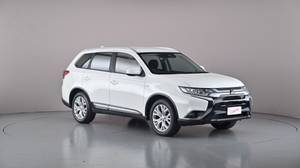
2019 Mitsubishi Outlander
ES ADAS 5 SEAT (2WD)
150,978 km • Automatic
$16,090
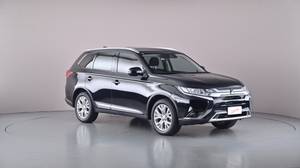
2020 Mitsubishi Outlander
ES ADAS 5 SEAT (2WD)
46,228 km • Automatic
$22,990
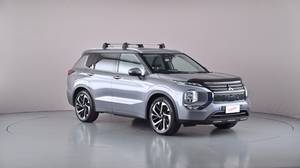
2022 Mitsubishi Outlander
EXCEED 7 SEAT (AWD)
88,122 km • Automatic
$33,490
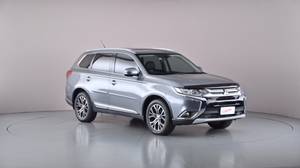
2015 Mitsubishi Outlander
EXCEED (4x4)
126,460 km • Automatic
$15,790
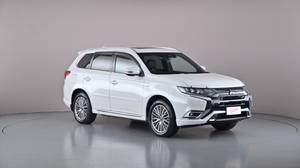
2021 Mitsubishi Outlander
PHEV EXCEED 5 SEAT (AWD)
58,978 km • Automatic
$30,490
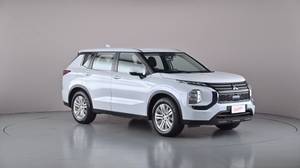
2022 Mitsubishi Outlander
ES 5 SEAT (2WD)
137,217 km • Automatic
$21,790
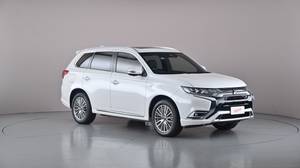
2020 Mitsubishi Outlander
PHEV EXCEED
21,645 km • Automatic
$29,190
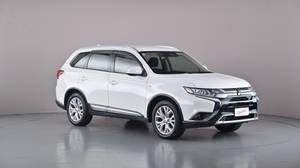
2020 Mitsubishi Outlander
ES ADAS 5 SEAT (2WD)
119,616 km • Automatic
$19,390
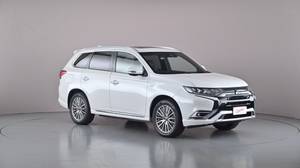
2020 Mitsubishi Outlander
PHEV EXCEED
50,961 km • Automatic
$28,190
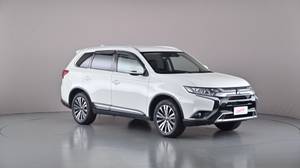
2020 Mitsubishi Outlander
LS 7 SEAT (AWD)
102,595 km • Automatic
$20,790