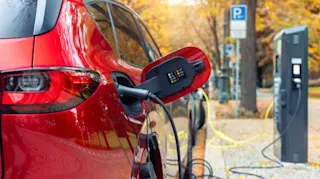
PHEV or full EV: what actually makes sense for Australian drivers?
PHEV or full EV? The right answer depends on how you actually use your car. Here's the honest breakdown for Australian drivers.


You know the moment. You reach for the steering wheel and immediately let go. The seatbelt buckle has turned into a small branding iron, and that first breath when you open the door is hotter than anything that should count as air. On a hot Australian summer day, a parked car can hit 60°C inside within thirty minutes. Getting in and just running the AC is the slow approach. There's a faster method, and it takes about sixty seconds.
The inside of a car heats up faster than most people expect because glass and dark surfaces trap heat the same way a greenhouse does. Sunlight passes through the windows, heats the interior surfaces, and the heat can't escape efficiently. The dashboard, seats, and door cards absorb and radiate heat, which keeps the inside temperature climbing even as the sun moves.
In Australia's summer climate, particularly in cities like Perth, Adelaide, and inland parts of Queensland and New South Wales, interior temperatures can exceed exterior temperatures by 20 to 30°C on a hot day. This is why the standard approach of getting in and running the AC rarely gets the car comfortable as quickly as the ventilation method described below.
Before you start the engine, ventilate. Open all four doors and all windows and give it a genuine thirty to sixty seconds. This flushes the superheated air out of the cabin and replaces it with cooler outside air. Even on a hot day, the air outside is almost always cooler than what's been baking inside the car.
Once you get in, lower all windows and turn the AC on maximum with air directed at your face. Run it on fresh air intake rather than recirculate for the first two to three minutes: you want to push the hot cabin air out, not keep cycling it. Once the interior temperature drops significantly, switch to recirculate so the AC cools the now-moderate cabin air more efficiently.
The AC works hardest when the gap between what it's cooling and the target temperature is smallest. If the cabin is at 65°C and you want 22°C, the AC has more work to do than if the cabin is at 45°C when you start it.
Ventilating before starting the AC reduces that gap and gets the car to a comfortable temperature significantly faster. It's the same principle as pre-cooling a hot oven before putting food in: reducing the starting temperature makes everything faster.
On the AC setting itself, the "maximum cool" button on many cars directs maximum airflow and engages AC automatically. Use it for the first few minutes, then dial back to a comfortable setting once the temperature drops.
A sunshade on the windscreen makes a real difference. It blocks direct sunlight from hitting the dashboard and the large glass surface area of the windscreen, which is the primary heat source in a parked car. A quality folding sunshade blocks direct sunlight from hitting the dashboard and windscreen, reducing how quickly the car heats up. Research suggests cabin air temperature reductions of around 5 to 8°C, while dashboard and surface temperatures can be reduced more significantly. It takes five seconds to set up and fold away.
Parking in shade is the obvious alternative, but Australian summer conditions mean genuine shade is often scarce in car parks and on streets. If shade is available, use it. Even partial shade over the windscreen helps.
Cracking windows slightly when parked allows some heat to escape and fresh air to enter. In Australia, this needs to be weighed against the risk of rain, insects, or theft depending on the area and how long the car will be parked. A gap of one to two centimetres is enough to allow some ventilation without creating a significant security risk. Never leave windows open enough to allow someone to reach a latch.
Tinted windows reduce heat buildup by blocking a portion of the solar energy that passes through the glass. Tinting is available as an aftermarket addition, though it must comply with the legal limits for the relevant state's vehicle standards.

Never leave children or animals in a parked car in hot conditions. The interior temperature can reach dangerous levels within minutes, not hours. A child or animal left in a hot car is a medical emergency: if you see one in a parked car and are unable to locate the owner quickly, contact emergency services.
If you must briefly leave the car running with the AC on, remain within sight of it. Do not leave the car running and unattended, particularly in public car parks where it is a security risk.
At Carma, every car's air conditioning system is checked as part of the quality process before it reaches the listing. A faulty or underperforming AC is one of the first things the inspection covers, because it's one of the most important comfort and safety systems in a used car, particularly in the Australian climate.
The extra sixty seconds of ventilating before you start the engine changes a miserable five-minute wait into a car that's comfortable by the end of the first street. Browse used cars at Carma and every car's AC has been checked before it reaches the listing. If you're thinking about trading up to a car with better climate control, find out what your current car is worth first.
How do you cool down a hot car quickly?
Open all four doors for thirty to sixty seconds to flush the superheated air out of the cabin. Then start the engine with the AC on maximum, all windows down, and air directed at the occupants on fresh air intake mode. After two to three minutes, close the windows and switch to recirculate so the AC cools the cabin air more efficiently. Ventilating before starting the AC reduces the starting temperature, which significantly speeds up the cooling process.
How hot can a car get inside on a hot day in Australia?
Interior temperatures in a parked car can reach 60°C or more on a hot Australian summer day, even in milder cities. Temperatures above the exterior ambient can be reached within 20 to 30 minutes of parking in direct sunlight. The dashboard and dark-coloured surfaces absorb and radiate heat, which keeps the interior temperature climbing.
Does opening windows help cool a car faster?
Yes, significantly. Opening all windows and doors when first entering a hot car allows the superheated trapped air to escape, replacing it with cooler outside air. This reduces the starting temperature for the AC and gets the cabin to a comfortable temperature faster than running the AC with windows closed in a very hot car.
Do sunshades actually help keep a car cool?
Yes. A windscreen sunshade blocks direct sunlight from heating the dashboard and interior glass surfaces, which are the primary heat sources in a parked car. Research indicates sunshades can reduce cabin air temperatures by approximately 5 to 8°C, with dashboard and surface temperature reductions potentially higher. They're one of the cheapest and most effective preventive measures available.
Can I leave my car running with the AC on to keep it cool while parked?
This is generally not recommended. Leaving the car running unattended is a security risk and is illegal in some states, particularly if the key is in the ignition and the driver is not present. It also wastes fuel and produces emissions. If you need to keep passengers cool while you're briefly away, ensure the car is in a safe, visible location and you can return quickly.

A car shaking at idle usually comes down to four causes. Here's how to read what your car is telling you and which ones can wait vs. which ones can't.

The 8 most common mistakes when selling your car privately in Australia — from overpricing to the Notice of Disposal most sellers forget to lodge.
We’ve won and been finalists for awards in recognition of our efforts to provide the best care and innovation to our customers.


^ Estimated repayment calculation based on an average rate calculated across all fixed P&I used car loans offered by Carma preferred financiers to eligible applicants purchasing a vehicle aged 0-7 years from build date. The interest rates displayed are guides only and does not reflect an offer for any particular product or your situation and does not imply credit is available to you at this rate. Repayments as a result of this simulation can vary based on your personal circumstances including your credit worthiness. Final rate and all applications subject to financier approval. Fees and charges apply. The direct debit frequency options available from financiers may differ.
†within Greater Sydney
NSW Motor Dealer’s Licence: MD087139 • NSW Motor Vehicle Repairer: MVRL59465
© 2026 Carma
Cars worth knowing about. Tips and news worth reading. All direct to your inbox.