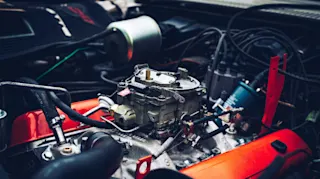
Bigger engine or smaller engine: which actually suits your driving?
Bigger engine or smaller? The right answer depends on how and where you drive. Here's how to match engine size to your actual life, not the spec sheet.

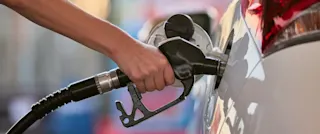
The pump has clicked off, the tank is full, but you squeeze the trigger a few more times anyway. Maybe you're trying to get to a round number on the dollar amount, or you're topping up as high as it'll go before a long drive. It seems harmless. It isn't. What you're doing when you overfill a petrol tank can cause a specific and expensive type of damage to a component that most drivers have never heard of, and the effects can show up days or weeks later.
Petrol bowsers have an automatic shutoff trigger built into the nozzle. When the fuel reaches the top of the filler neck and covers the nozzle tip, it creates a pressure change that trips the shutoff. It clicks off because the tank is full and any additional fuel has nowhere to go except into a space that isn't designed for liquid.
That space is the evaporative emissions system. Modern petrol cars have a charcoal canister, also called an EVAP canister, that captures petrol vapours from the tank and stores them until they can be burned off safely in the engine. It is designed to handle vapour, not liquid fuel. When you overfill the tank and push fuel past the cutoff point, liquid petrol can flow into this canister.
A charcoal canister saturated with liquid fuel is a failed charcoal canister. The activated charcoal inside is designed to absorb and release vapour, a process that works through the charcoal remaining dry. Liquid fuel destroys this capacity: once the charcoal is saturated with liquid petrol, it can no longer absorb vapours effectively, and the canister must be replaced.
This isn't a cheap repair. Charcoal canister replacements vary by make and model, but they're not a minor service item. The part itself plus labour at a dealership or specialist can reach several hundred to over a thousand dollars depending on the vehicle. On some European models where the canister is buried deep in the engine bay, labour alone is a significant portion of the cost.
Beyond the canister, repeated overfilling can also damage the purge valve, which is the component that controls when stored vapours are drawn into the engine. A saturated canister puts additional stress on the purge valve as the system attempts to manage the excess hydrocarbons. In some cases both components require replacement together.
The damage doesn't always show up immediately. A charcoal canister damaged by repeated overfilling might perform badly for weeks or months before triggering a check engine light. The code it generates is typically an EVAP system code, which a mechanic diagnoses with a scan tool. Without context, the driver often has no idea why the fault appeared.
Fuel spill. When you overfill past the tank's capacity, liquid petrol has to go somewhere. In most cars, excess fuel vents back up the filler neck and can overflow onto the ground or the car's body. This is a fire hazard, a slip hazard if it pools on the forecourt, and a source of paint and rubber damage on the vehicle itself.
Vapour lock. In some older vehicles or in certain conditions, overfilling can force liquid into fuel vapour lines and cause the engine to run poorly or stall. This is less common in modern vehicles but remains a risk.
Fuel system pressure issues. The fuel tank on a modern car is a sealed, pressurised system. Overfilling disrupts the pressure balance in the vapour management side of the system, which can affect how efficiently the fuel system manages vapours over time.
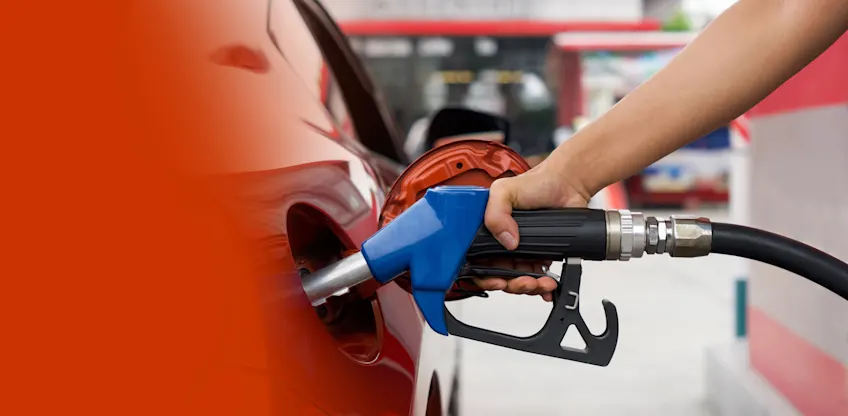
A single squeeze past the cutoff on one fill is unlikely to cause immediate damage. The EVAP canister has some capacity to handle a small amount of overfill before it becomes a problem. The risk increases with habitual overfilling: drivers who routinely top up past the click are gradually saturating the canister over time.
The "get to a round number" habit is particularly worth breaking because it typically involves two or three short squeezes past the cutoff at almost every fill, which means it happens more often than most drivers realise. The cost of replacing a charcoal canister is significantly higher than any small saving from topping up to a round number.
Stop when the nozzle clicks. That's the signal the tank is full and the automatic safety system has done its job. If the nozzle clicks early, reposition the nozzle slightly and try once more: an early click can happen if the nozzle tip isn't fully seated. If it clicks again immediately, the tank is full or close to it. Don't override it. Giving the nozzle a couple of gentle shakes after the click is fine: you're just clearing the small amount of fuel sitting in the spout itself, which drains into the filler neck by gravity. That's completely different from squeezing the trigger again, which sends fresh fuel from the pump into a tank that's already full.
If you want to top up to a specific dollar amount, do it in one deliberate squeeze rather than multiple short ones past the cutoff. Or better still, note the actual litres added and accept that the dollar amount won't always be a round number.
Every car's fuel system, including the EVAP canister and filler neck, is part of the checks Carma runs during the inspection and reconditioning process. An EVAP system fault is one of the things that shows up during diagnostic scanning, which is part of ensuring the used cars on the Carma platform are in genuine mechanical order before anyone buys them.
Stop when the pump clicks off. It's not a rough estimate of full: it's the system telling you the tank is full and any more fuel is going somewhere it isn't supposed to be. Browse used cars at Carma and every car has been through diagnostic scanning and mechanical checks before it reaches the listing. If you're thinking about selling your current car, find out what it's worth before you start shopping for the next one.
Can you damage your car by overfilling the petrol tank?
Yes. Repeatedly overfilling the petrol tank past the automatic nozzle cutoff can saturate the charcoal canister in the car's evaporative emissions system with liquid fuel. This canister is designed to handle vapour only, and liquid fuel damages it permanently. Replacement is often expensive. A single overfill is unlikely to cause immediate harm, but habitual topping up past the cutoff causes cumulative damage.
What is the charcoal canister and why does overfilling damage it?
The charcoal canister is part of a car's evaporative emissions control system. It captures petrol vapours from the fuel tank and stores them until the engine can burn them off. It works by absorbing and releasing vapour through activated charcoal, a process that requires the charcoal to remain dry. Liquid fuel from overfilling saturates the charcoal and destroys its vapour-absorbing capacity, rendering the canister unable to function and requiring replacement.
How do I know if I've damaged my car by overfilling the tank?
EVAP system damage often triggers a check engine light, typically with a code related to the evaporative emissions system or a fuel vapour leak. The car may also fail an emissions test or run roughly in some conditions. However, the damage can develop gradually over multiple overfills before triggering any obvious symptom. If you've been routinely overfilling and the check engine light appears, ask a mechanic to scan for EVAP codes.
Is it okay to squeeze the trigger once or twice after the pump clicks off?
Mechanically speaking, an occasional extra squeeze is unlikely to cause immediate damage, as the EVAP canister has some tolerance. The risk is with habit: drivers who routinely add extra fuel past the cutoff at every fill are gradually increasing the liquid fuel exposure to the canister. The safest habit is to stop at the first click, every time.
Why do some people overfill their petrol tanks?
The most common reasons are wanting to reach a round dollar amount, topping up as fully as possible before a long drive, or not being aware that the automatic cutoff is a meaningful safety signal rather than an approximation. Understanding what the cutoff actually protects helps make it easier to respect it.

A parked car can hit 60°C inside on a hot Australian day. Here's how to cool it down fast, and what to do before and after you park.
PHEV or full EV? The right answer depends on how you actually use your car. Here's the honest breakdown for Australian drivers.
We’ve won and been finalists for awards in recognition of our efforts to provide the best care and innovation to our customers.


^ Estimated repayment calculation based on an average rate calculated across all fixed P&I used car loans offered by Carma preferred financiers to eligible applicants purchasing a vehicle aged 0-7 years from build date. The interest rates displayed are guides only and does not reflect an offer for any particular product or your situation and does not imply credit is available to you at this rate. Repayments as a result of this simulation can vary based on your personal circumstances including your credit worthiness. Final rate and all applications subject to financier approval. Fees and charges apply. The direct debit frequency options available from financiers may differ.
†within Greater Sydney
NSW Motor Dealer’s Licence: MD087139 • NSW Motor Vehicle Repairer: MVRL59465
© 2026 Carma
Cars worth knowing about. Tips and news worth reading. All direct to your inbox.