
8 common mistakes to avoid when selling your car
The 8 most common mistakes when selling your car privately in Australia — from overpricing to the Notice of Disposal most sellers forget to lodge.

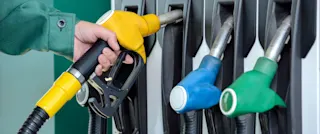
You've clocked it at the bowser: the tank is emptying faster than it used to, or you're spending more per week than the numbers should add up to. Before blaming the price of fuel, it's worth checking what's happening on your side of the equation. Most causes of high petrol consumption are fixable, and a few of them will surprise you.
Under-inflated tyres create more rolling resistance, which means your engine works harder to cover the same distance. Research consistently shows that running tyres significantly below the recommended pressure can increase fuel consumption by up to 10%. The fix costs nothing: check the recommended pressure on the sticker inside the driver's door or in your owner's manual, and check it monthly. Tyres lose pressure naturally over time, and particularly when temperatures drop.
Aggressive acceleration and heavy braking are among the biggest contributors to excess fuel consumption. Stop-start city driving typically uses 20–35% more fuel than smooth highway cruising, and up to 40% more in aggressive conditions. Anticipating stops early, easing off the accelerator in advance, and avoiding sharp acceleration off the lights all make a meaningful difference at the pump. Interestingly, also knowing when to use cruise control in these conditions can affect your fuel usage.
Short trips compound this further. A petrol engine runs rich (using more fuel than it needs) until it reaches operating temperature, which takes around 2 to 4 kilometres in normal conditions. If most of your driving is short suburban hops, your engine is spending a significant portion of every trip in that inefficient warm-up phase. Combining errands into a single trip is one of the easiest ways to reduce this.
Air conditioning adds load to the engine and can reduce fuel efficiency by up to 12% or more in hot conditions. In most Australian cities, where A/C runs for most of the year, this adds up considerably. The fix isn't to suffer: at lower urban speeds, opening the windows is more efficient than running the system. On the highway, aerodynamic drag from open windows costs more than the A/C does, so close them and run the system on recirculate to reduce how hard it works.
A neglected service schedule increases petrol consumption quietly across multiple systems at once. Worn spark plugs cause incomplete combustion. A clogged air filter disrupts the air-to-fuel ratio the engine depends on. Both are standard service items, which is exactly why gaps in the logbook tend to compound: it's rarely one thing, it's several things neglected at once.
When buying a used car, a complete service history is one of the clearest indicators of whether these systems have been kept on top of. A well-documented car is less likely to have accumulated the kind of deferred maintenance that quietly drives up running costs.
Every car has a minimum recommended fuel grade printed on the fuel cap and in the owner's manual. Using a lower grade than your car needs costs you efficiency in two ways.
If your car is designed for 95 or 98 RON and you're filling with 91, the engine management system retards ignition timing to prevent knock, which costs both performance and fuel economy. If you're using E10 in a car that recommends 91 or higher, you're compounding the problem: E10 has lower octane than 91 RON and lower energy density, meaning your engine burns more of it to travel the same distance. The RACQ estimates E10 results in approximately 2–3% higher fuel consumption than 91 RON over the same distance. In a car specced for 95 RON, E10 is a double disadvantage.
The cheapest fuel at the bowser is not always the cheapest fuel per kilometre. Check what your car actually needs and run accordingly.
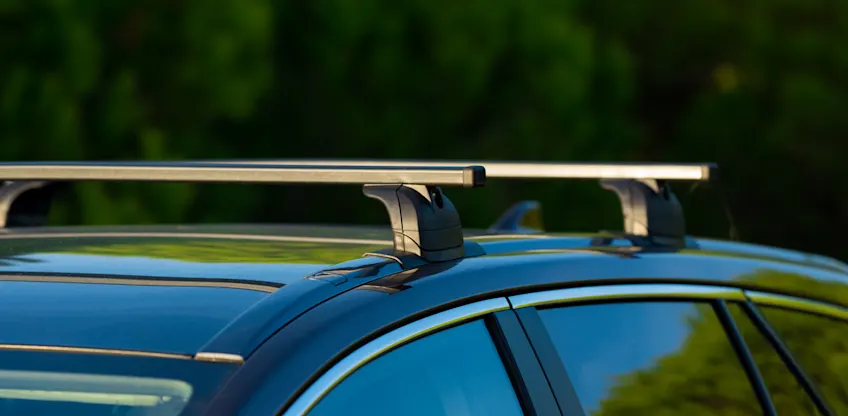
Roof racks, bike carriers, and cargo pods dramatically increase aerodynamic drag, particularly at highway speeds. Independent highway testing has found that empty roof racks can increase fuel consumption by up to 15% at freeway speeds. If yours aren't in regular use, removing them between trips is one of the easiest efficiency gains available.
Excess weight in the boot tells the same story. Every unnecessary 45kg adds measurable load on the engine over time. Boots used as permanent storage are more expensive than they appear.
A faulty oxygen sensor is one of the most commonly overlooked causes of excess fuel consumption. The O2 sensor tells the engine management system how much oxygen is in the exhaust, which determines how much fuel to inject. A sensor that degrades gradually can cause the system to over-fuel without crossing the threshold that triggers a check engine light. The car may drive normally for months while burning more petrol than it should.
The other: engine oil grade. If your car specifies 5W-30 and it has been filled with 10W-40, the thicker oil creates additional internal friction the engine works against on every drive. The effect is modest on its own, around 1–3%, but it stacks with everything else on this list. The correct grade is on the filler cap of most modern cars and costs nothing extra to insist on at a service.
Some petrol consumption issues aren't about habits or maintenance. They're about the car itself. Older engines, larger-displacement petrol SUVs, and vehicles with higher by-design running costs simply consume more fuel, regardless of how carefully they're driven.
Used hybrid cars have become the most practical way to cut fuel costs without changing how you drive. A used Toyota RAV4 in hybrid form is officially rated at around 4.7–4.8L/100km under test conditions, with real-world mixed driving typically sitting in the 5.5–6.5L/100km range — still roughly half the consumption of a comparable petrol SUV. For buyers who want something smaller, the used Toyota Yaris Cross and used Mazda 3 are among the most fuel-efficient options in the Australian used market.
If the weekly fuel bill has become the deciding factor, it might be worth seeing what a more efficient car would actually cost you across a full year.
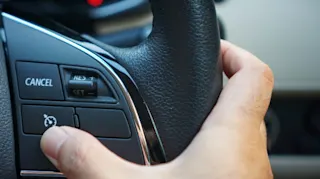
Cruise control can save 7–14% fuel on a flat highway. On a hilly road, it can cost you more. Here's when to use it and when to turn it off.
The documents you need when selling a car with finance owing in Australia: payout letters, PPSR discharge, finance agreements, and what to hand over at settlement.
We’ve won and been finalists for awards in recognition of our efforts to provide the best care and innovation to our customers.


^ Estimated repayment calculation based on an average rate calculated across all fixed P&I used car loans offered by Carma preferred financiers to eligible applicants purchasing a vehicle aged 0-7 years from build date. The interest rates displayed are guides only and does not reflect an offer for any particular product or your situation and does not imply credit is available to you at this rate. Repayments as a result of this simulation can vary based on your personal circumstances including your credit worthiness. Final rate and all applications subject to financier approval. Fees and charges apply. The direct debit frequency options available from financiers may differ.
†within Greater Sydney
NSW Motor Dealer’s Licence: MD087139 • NSW Motor Vehicle Repairer: MVRL59465
© 2026 Carma
Cars worth knowing about. Tips and news worth reading. All direct to your inbox.