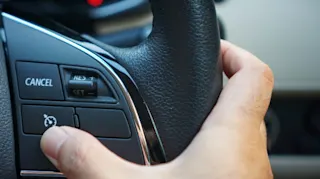
Does cruise control actually save fuel?
Cruise control can save 7–14% fuel on a flat highway. On a hilly road, it can cost you more. Here's when to use it and when to turn it off.


In 2026, the stakes for Australian car buyers have never been higher. With petrol prices soaring and cost of living pressures at their highest level in a decade, Australians simply cannot afford a bad buy. A car that is costly to run or hiding expensive mechanical defects is no longer just an inconvenience; it’s a critical financial risk that many cannot absorb.
Buying a car should feel exciting, but for many, it’s filled with uncertainty. From unclear pricing and last-minute add-ons to pressure tactics and hidden defects, the traditional used car-buying experience is often inconsistent. Most buyers don’t know what to watch out for until after they’ve driven away, when problems, costs or regrets start to surface.
Drawing on decades of industry experience, Carma — Australia’s fully digital pre-owned car platform and the preferred used car dealership of the NRMA — has identified the most common red flags Australians face when buying a used car. By identifying these warning signs and highlighting the green flags to insist on, this toolkit provides a comprehensive guide for risk-free used car buying.
“Buying a car is the second-biggest purchase many will make in their lives, which is why it’s important to see past the surface of a car and understand its true history,” said Peter Willis, Director of Buying. “We want to educate Aussies on how to identify and avoid the old-school tactics that lead to regret, ensuring they have the tools to buy with confidence.”
“Not all used cars are created equal, but the problem is they can look like they are,” said Hugo Acosta, Director of Vehicle Operations. “We’ve seen firsthand how easily issues can be missed without a proper inspection, especially when cosmetic fixes are used to mask bigger problems underneath. Buyers should expect full transparency, because once you drive away, those hidden issues become your problem.”
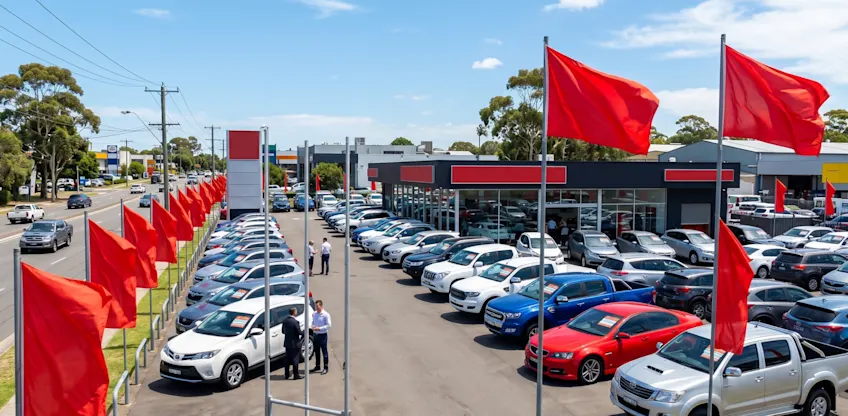
If you feel rushed or unsure at any point, step away and reassess. You should feel confident in your purchase, and a trustworthy dealership won’t pressure you to commit on the spot.
“Traditional car buying environments can make it difficult for buyers to slow down and make an informed decision, especially when there’s pressure to commit quickly. Without enough time to properly assess whether a car suits your lifestyle or arrange an independent inspection, it’s easy to get caught out. The biggest red flag? If you don’t fully understand the price, the condition or the urgency, you’re not in control of the purchase.” - Peter Willis, Director of Buying
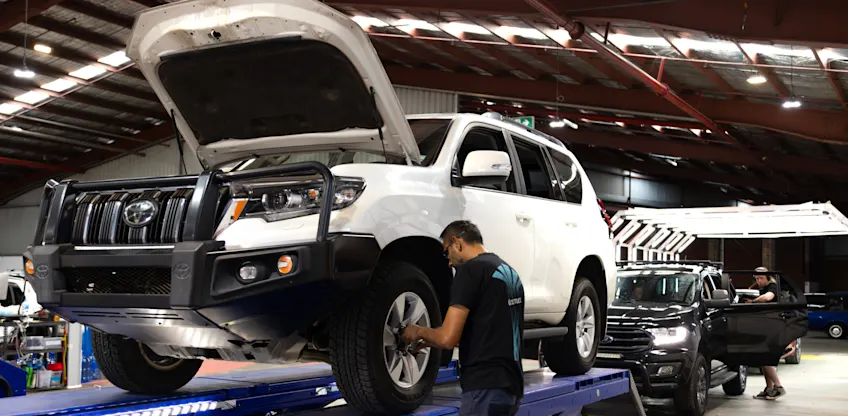
A full, consistent service history is one of the biggest green flags to look out for when buying a used car.
"It tells you how the car was treated, but more than that, it tells you what type of person owned it. Someone who serviced on time, every time, invested real money and effort into that car. That kind of care doesn't stop at the logbook." - Hugo Acosta, Director of Vehicle Operations
Avoid rushing into a decision or feeling pressured to commit quickly. Give yourself the space to properly consider your options, compare vehicles, and assess whether the car is right for you before moving forward.
Ensure the final price is clear from the outset, including any additional fees or charges. If pricing isn’t transparent upfront, it may not reflect the true cost of the vehicle.
Rely on independently verified information wherever possible. Review the vehicle’s service history, inspection reports, and overall condition to make a well-informed decision.

The documents you need when selling a car with finance owing in Australia: payout letters, PPSR discharge, finance agreements, and what to hand over at settlement.
Not all trim upgrades are worth paying for. Here's which features justify the premium, which ones don't, and how to think about it on a used car.
We’ve won and been finalists for awards in recognition of our efforts to provide the best care and innovation to our customers.


^ Estimated repayment calculation based on an average rate calculated across all fixed P&I used car loans offered by Carma preferred financiers to eligible applicants purchasing a vehicle aged 0-7 years from build date. The interest rates displayed are guides only and does not reflect an offer for any particular product or your situation and does not imply credit is available to you at this rate. Repayments as a result of this simulation can vary based on your personal circumstances including your credit worthiness. Final rate and all applications subject to financier approval. Fees and charges apply. The direct debit frequency options available from financiers may differ.
†within Greater Sydney
NSW Motor Dealer’s Licence: MD087139 • NSW Motor Vehicle Repairer: MVRL59465
© 2026 Carma