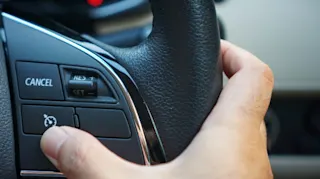
Does cruise control actually save fuel?
Cruise control can save 7–14% fuel on a flat highway. On a hilly road, it can cost you more. Here's when to use it and when to turn it off.

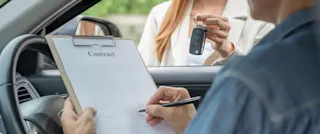

Registration transfer after a private car sale involves two separate processes: what the seller must do and what the buyer must do. These are independent obligations with independent deadlines, and confusing them is how sellers end up receiving fines and infringement notices for a car they no longer own.
Once you've sold your car, your obligation is to lodge a Notice of Disposal (NoD) with your state's transport authority. In NSW, this is done through Service NSW.
The Notice of Disposal formally records that you have sold the vehicle and are no longer responsible for it. It captures the date of sale, the buyer's details, and the sale price. Without it, you remain listed as the vehicle operator in the transport authority's records, which means any fines, toll notices, or parking infringements generated by the vehicle after the sale can be directed to you.
In NSW, the Notice of Disposal must be lodged within 14 days of the sale. It can be completed online at service.nsw.gov.au in a few minutes, provided you have:
Lodging the NoD online is free. You can also lodge it in person at a Service NSW centre or by post.
The buyer has a separate obligation to transfer the registration into their name. In NSW, this must be done within 14 days of acquiring the vehicle. The transfer fee is $39 if completed within 14 days. After that, a late transfer fee of $182 applies.
Transfer can be done online through MyServiceNSW, or in person at a Service NSW centre. For the online transfer, the seller's Notice of Disposal (if lodged online) simplifies the process. If the NoD wasn't lodged online, the buyer will need the signed certificate of registration from the seller.
When you hand over the car, sign the back of the registration certificate and give it to the buyer. This is a physical transfer of the registration document and is what the buyer needs to complete the transfer if they visit a service centre rather than transferring online.
The buyer is also responsible for paying stamp duty on the purchase as part of the registration transfer process. This is calculated on the purchase price or the market value, whichever is higher.
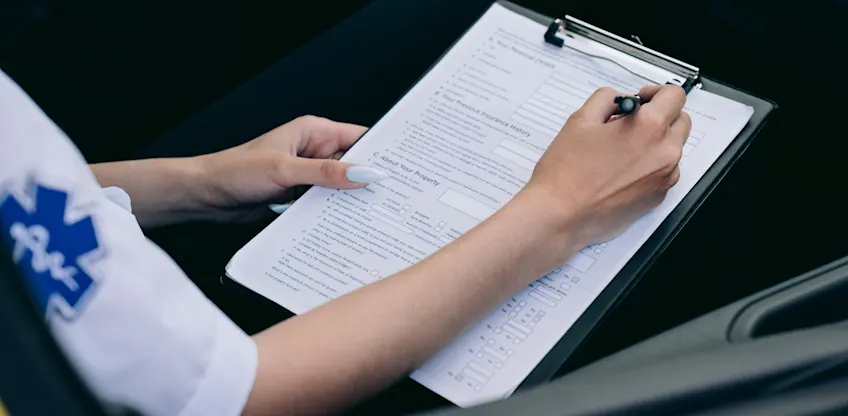
This is a common issue in private sales. If the buyer fails to transfer the registration within the required timeframe, fines and toll notices continue to come to whoever is listed as the operator of the vehicle. If you lodged a Notice of Disposal, your liability is significantly reduced. If you didn't, you remain the registered operator for all practical purposes.
The Notice of Disposal is your protection. Whether the buyer transfers promptly or not, your NoD establishes the date the sale occurred and that you're no longer responsible from that point. It is also the document you'll need if you want to dispute any fine issued after the sale date. Sellers who skip this step and rely on the buyer to sort everything out sometimes spend months dealing with fines for a car they sold.
For a well-maintained used Subaru Forester or any family car sold privately, this paperwork step is easy to overlook in the relief of completing a sale. Do it the same day you hand over the car keys.
Every Australian state and territory has a similar process with their own registration authority and terminology. The principals are the same: seller notifies the authority of the sale, buyer transfers the registration.
Deadlines and processes vary significantly, and the consequences for missing them also differ. The overall principle is the same across all states: notify the authority promptly and don't assume the buyer's transfer cancels your obligation to lodge your own notification. Check your relevant state authority's website before the sale to understand exactly what's required and what happens if timelines are missed. In states with short deadlines like SA and WA (2-5 days), preparing the paperwork before you find a buyer is the more sensible approach.
When you sell your car to a licensed dealership, the dealer handles the transfer paperwork on your behalf. You don't need to lodge a Notice of Disposal yourself or track whether the buyer has completed the transfer. The dealer manages the process as part of the transaction.
If you sell to Carma, we help manage the transfer and disposal paperwork as part of the process. You hand over the car and we take care of the formal steps with the relevant transport authority.
Get a valuation from Carma and see what your car is worth.

The documents you need when selling a car with finance owing in Australia: payout letters, PPSR discharge, finance agreements, and what to hand over at settlement.
Not all trim upgrades are worth paying for. Here's which features justify the premium, which ones don't, and how to think about it on a used car.
We’ve won and been finalists for awards in recognition of our efforts to provide the best care and innovation to our customers.


^ Estimated repayment calculation based on an average rate calculated across all fixed P&I used car loans offered by Carma preferred financiers to eligible applicants purchasing a vehicle aged 0-7 years from build date. The interest rates displayed are guides only and does not reflect an offer for any particular product or your situation and does not imply credit is available to you at this rate. Repayments as a result of this simulation can vary based on your personal circumstances including your credit worthiness. Final rate and all applications subject to financier approval. Fees and charges apply. The direct debit frequency options available from financiers may differ.
†within Greater Sydney
NSW Motor Dealer’s Licence: MD087139 • NSW Motor Vehicle Repairer: MVRL59465
© 2026 Carma