Base model or higher trim: is it worth paying more?
Not all trim upgrades are worth paying for. Here's which features justify the premium, which ones don't, and how to think about it on a used car.



The way Australians buy and sell used cars has changed more in the past few years than in the previous few decades. What was once a process built around classified ads, weekend forecourt visits, and face-to-face haggling is increasingly happening from a phone or laptop, with cars being researched, evaluated, purchased, and delivered without a single showroom visit. The numbers behind that shift are significant and still growing.
Australia's used car market accounted for approximately 2.3 million transactions in 2025, according to industry data from AutoGrab. That makes the used car market significantly larger than the new car market by volume, and the gap continues to hold.
More supply is coming too. In the first half of 2025, the number of used cars listed for sale increased by more than 30% compared to the same period in 2024, as the backlog of new cars sold during the supply-constrained COVID years began flowing into the used market. This means more choice for buyers, more competition for sellers, and a market that is increasingly price-transparent. For anyone who bought a used car at an inflated COVID-era price, this is also the environment in which they're now trying to sell.
While physical dealerships and private sales still represent the majority of used car transactions in Australia, online channels are growing at a significantly faster pace than offline alternatives. Buyers who once needed to visit a forecourt to assess a car are now able to access standardised inspection reports, detailed photography, and independent data from their phone before making a purchase decision.
The shift has several reinforcing drivers that have compounded over time:
Price transparency. When comparable cars from multiple sellers are visible on the same screen, overpricing becomes immediately obvious. Whether someone is shopping for pre-owned Ford vehicles or a used Mazda, the data is there for buyers to compare before they make a single enquiry. Buyers are better informed than they have ever been, which puts pressure on sellers to price accurately or sit unsold.
Convenience. Committing to the time and logistics of visiting multiple dealerships on a Saturday is a significant cost. Online-first platforms reduce that friction, particularly for buyers who know what model they want and are focused on condition, mileage, and price rather than walking a forecourt.
Trust infrastructure. Consumer confidence in online car purchasing has grown as inspection standards, return policies, and verification processes have improved. The barrier that once made Australians cautious about buying a car they hadn't sat in is lower than it was five years ago. Return policies, independent inspection and reconditioning processes, and standardised condition reports give online buyers recourse and assurance that the old forecourt model didn't offer in a structured way.
The pandemic accelerated an adoption curve that was already moving in the direction of online commerce. State-based lockdowns in 2020 and 2021 made traditional dealership visits impossible for extended periods, forcing both buyers and sellers to develop comfort with online transactions. Many of those buyers didn't go back to the old process when the restrictions lifted.
At the same time, supply chain disruptions created new car shortages that pushed buyers toward the used market, often at premium prices. Buyers who entered the used car market during this period developed habits and expectations around online-first research, comparison, and purchasing that have persisted.
There's also a generational dimension to this shift. Buyers who are comfortable making significant purchases entirely online, from furniture to appliances to holidays, bring the same expectations to car buying. The idea of needing to visit multiple dealerships before making a decision reads as an unnecessary inefficiency to a growing share of the market. As that demographic becomes a larger proportion of used car buyers, the tilt toward online-first continues.
For dealerships, the shift has created pressure to improve their digital presence and listing quality. Cars that are presented online with minimal photography, no service history detail, and vague condition descriptions convert poorly in a market where well-presented listings set the standard for what buyers expect.
For buyers, the shift to online means more data, more choice, and more negotiating power in a market with growing inventory. Whether you're looking for a used Toyota RAV4 or a used Hyundai Tucson, the ability to compare condition reports, check PPSR status, review service history, and read verified reviews before speaking to a seller changes the dynamic considerably.
For sellers, it means buyers are more informed and more price-sensitive than in the past. A car that isn't priced accurately, photographed well, or documented properly will be overlooked in a market where the next comparable listing is a scroll away. The volume of used cars listed for sale in 2025 is at record levels. That is good news for buyers and a more competitive environment for sellers. Preparation matters more than it did when inventory was scarce and buyers had fewer choices.
Private sellers in particular feel this most acutely. When a used car dealership with professional photography, transparent pricing, and structured inspection reports is competing on the same platform as a private listing, the bar for what buyers expect from private sellers has risen.
How Carma works is built around this shift. Every car is assessed, reconditioned, and listed online with a standardised process that lets buyers make a confident decision without having to visit a dealership. Browse used cars at Carma and see what the online-first used car experience looks like.
Not all trim upgrades are worth paying for. Here's which features justify the premium, which ones don't, and how to think about it on a used car.

What happens to your car loan when you sell? The loan doesn't disappear — here's how settlement works in a private sale, through a dealer, and with negative equity.
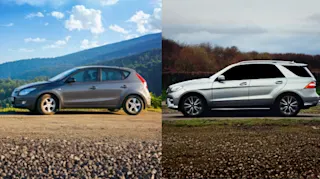
Torn between a hatchback and an SUV? Here's the decision framework that cuts through the noise and helps you choose based on how you actually drive.