
8 common mistakes to avoid when selling your car
The 8 most common mistakes when selling your car privately in Australia — from overpricing to the Notice of Disposal most sellers forget to lodge.

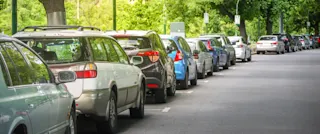

It's one of those things most drivers only find out the hard way, after a holiday that ran long, or a working-from-home stretch that quietly stretched into months. You head back to the car expecting it to fire up normally, and instead you get a flat battery, a brake pedal that feels strange, or a tyre that doesn't look quite right. A modern car sitting unused for two or more weeks is dealing with several problems at once, and they don't all happen on the same schedule. Here's what actually happens, when it starts, and what you can do about it.
Modern cars draw a small but continuous amount of power even when switched off. The alarm, the clock, the infotainment memory, the remote-entry sensors: all of it adds up to what's called parasitic drain. In a healthy car with a healthy battery, this is manageable for around two to four weeks. After that, the battery starts losing enough charge to cause starting problems, and if the car sits much longer, the battery may drain completely.
Older batteries lose charge faster. Cold weather accelerates the process. A battery with a history of being flattened or one that's simply coming to the end of its service life may struggle within a week. If you want to understand what to watch for before it becomes a breakdown, our guide to the early signs of a dying battery covers the warning signs in detail.
This affects all kinds of cars. A used MG ZS with a standard electrical load sits within the two-to-four-week window. A car with aftermarket accessories, multiple screen systems, or a battery that's already weakened may sit at the lower end of that range.
A tyre carries the full weight of the car on the same small contact patch while it's stationary. Given enough time, particularly in warm weather or on a hot concrete surface, that patch can compress and set, creating a slight flat spot. The result is a rhythmic thump when you drive off, which usually sorts itself out within 10 to 15 minutes of driving.
More severe flat spots, caused by longer storage or heavier loads, don't always correct themselves fully. A used Nissan X-Trail or any heavier SUV puts more weight on the contact patch than a lighter hatch, which makes flat-spotting more likely during a long stretch of sitting. The simplest prevention is moving the car forward or back by a metre every few days to rotate the contact point.
Petrol starts to degrade after around 30 days. The lighter components evaporate, the heavier components oxidise, and the fuel that's left doesn't burn as cleanly as fresh petrol. Old fuel can leave varnish deposits in the fuel system and eventually gum up injectors if it sits long enough.
For a car parked for two or three weeks, this isn't a significant concern. For a car parked for two or three months without running, it's worth paying attention to. Diesel degrades more slowly but isn't immune to the same process over longer periods. If you're planning storage of more than a month, adding a fuel stabiliser to a full tank is cheap insurance.
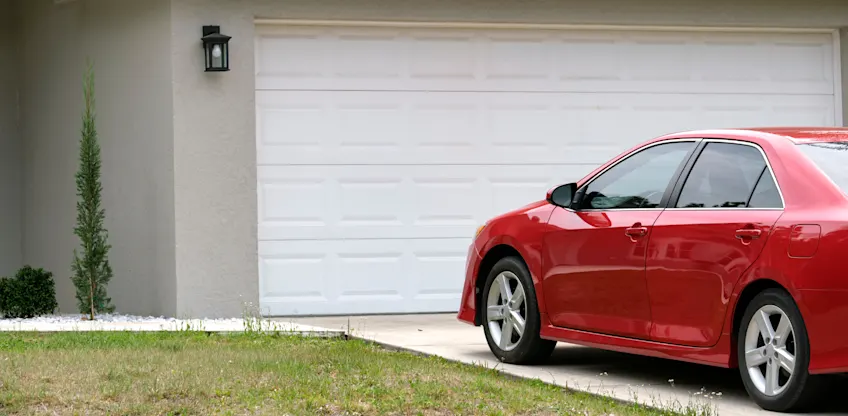
Brake rotors are bare cast iron. In any moisture (and Australia gets enough of it), they'll develop surface rust within a few days. For a regularly driven car, this is no issue at all: the brake pads scour the rust off during normal use. For a car that's sat for several weeks, the rust layer becomes more established.
A few firm stops clear it. In more extended storage, rust can pit the rotor surface or cause the pads to partially bond to it. If you notice grabbing, pulsing, or a burning smell after returning to a car that's been sitting, get the brakes checked before driving it regularly.
Worth noting: relying on the handbrake to hold a car in place during long-term storage increases the chance of pads bonding to the rotors. Leaving the car in gear on a flat surface, or using a wheel chock, is a better option for anything beyond a few weeks.
If you know the car will sit for more than two weeks, a few steps reduce the risk significantly. Keep the fuel tank full rather than half-empty: less air space in the tank means less moisture condensation. Use a battery maintainer if you have access to a power point in the garage. Park in shade or inside whenever possible, especially in summer, to slow flat-spotting and prevent interior heat damage. And move the car periodically, even just a metre in either direction, to rotate the tyre contact patch and let the brakes see a small amount of use.
Some common wisdom about car storage doesn't hold up. Our breakdown of car maintenance myths covers a few ideas worth questioning, including one or two that specifically come up around long-term storage.
None of these problems are catastrophic on their own, but they compound the longer the car sits. Carma inspects every car's mechanical condition before listing it, which means you're not inheriting someone else's storage problems when you buy. If your current car has been sitting for a while and you're thinking about a change, used Volkswagen Golf models and dozens of other properly inspected cars are available to browse at Carma.
Cruise control can save 7–14% fuel on a flat highway. On a hilly road, it can cost you more. Here's when to use it and when to turn it off.
The documents you need when selling a car with finance owing in Australia: payout letters, PPSR discharge, finance agreements, and what to hand over at settlement.
We’ve won and been finalists for awards in recognition of our efforts to provide the best care and innovation to our customers.


^ Estimated repayment calculation based on an average rate calculated across all fixed P&I used car loans offered by Carma preferred financiers to eligible applicants purchasing a vehicle aged 0-7 years from build date. The interest rates displayed are guides only and does not reflect an offer for any particular product or your situation and does not imply credit is available to you at this rate. Repayments as a result of this simulation can vary based on your personal circumstances including your credit worthiness. Final rate and all applications subject to financier approval. Fees and charges apply. The direct debit frequency options available from financiers may differ.
†within Greater Sydney
NSW Motor Dealer’s Licence: MD087139 • NSW Motor Vehicle Repairer: MVRL59465
© 2026 Carma
Cars worth knowing about. Tips and news worth reading. All direct to your inbox.