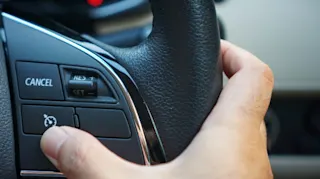
Does cruise control actually save fuel?
Cruise control can save 7–14% fuel on a flat highway. On a hilly road, it can cost you more. Here's when to use it and when to turn it off.



More than most people realise, and probably not in the way you'd expect. Car colour affects resale value in Australia, your running costs, and even how much maintenance the paint demands over time. Here's what the data actually says, and a practical verdict on what to do with it.
Australia loves white cars. According to the Federal Chamber of Automotive Industries, white has been the most popular new car colour in Australia for over a decade, consistently accounting for roughly a quarter to a third of all new car sales.
That popularity matters for resale. A white used Toyota RAV4, for instance, sells faster and to a broader buyer pool than the same car in an unusual shade. That's the simple reason popular colours hold their value well: not that white is objectively prettier, but that more buyers will consider it, which keeps prices competitive at resale time.
Silver and grey sit close behind on the popularity chart. They're similarly safe choices if you want broad appeal when it's time to sell.
Black is the one colour that can genuinely cause headaches in Australia's climate.
First, heat absorption. A black car sitting in a Sydney car park on a 35-degree day will have a cabin temperature significantly higher than a white equivalent. That's not just uncomfortable. It puts more strain on your air conditioning system over time.
Second, scratches and swirl marks show more clearly on black paint than any other colour. What looks immaculate at the dealership can start showing fine scratches after a few car washes. Keeping a black car looking good takes more effort and more frequent detailing than a lighter colour.
Black still sells well because it looks great in photos and has a premium association, particularly on luxury models. But it's worth going in clear-eyed about the upkeep.
This is where it gets genuinely interesting. Bright yellow, orange, vivid green, purple: polarising colours typically depreciate faster because the buyer pool is smaller. If you're selling in three years and only 5% of buyers want a yellow hatchback, you'll either wait longer or accept a lower price.
But there's a catch: niche demand is real. A used Ford Mustang in a signature colour, or a sports car in a manufacturer heritage shade, can actually command a premium from enthusiasts who are actively seeking it. The rule isn't "unusual colours are always bad for resale." It's "unusual colours carry more risk on mainstream models and more potential upside on enthusiast cars."
If you're buying a used family SUV in lime green, the maths probably don't favour you at resale. If you're buying a performance car in a colour with genuine collector appeal, the equation can flip.
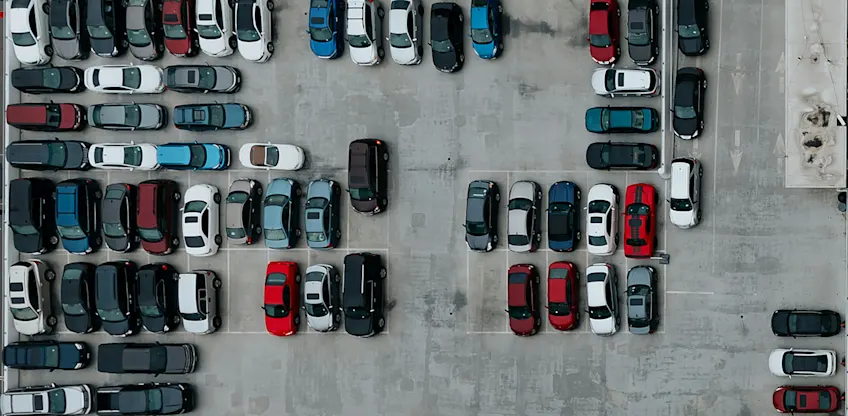
Let's address the persistent belief that red cars attract more speeding fines. They don't. Speed cameras detect speed, not colour. The myth likely persists because red is visually prominent and associated with speed culturally (think Ferrari), but there's no evidence Australian police or speed cameras treat red cars any differently from white ones.
Red is actually a fairly safe resale colour. It's popular enough to have broad appeal and niche enough to stand out, particularly on small hatchbacks and sporty models where red is a natural fit.
Car colour affects resale value in Australia in ways that can make accurate pricing genuinely tricky. A common colour in high demand might fetch $1,000 to $2,000 more than the same model in an unpopular shade. Online price guides often don't capture this nuance well because they average across large data sets and colour rarely makes the cut as a variable.
That opacity is part of why fixed, transparent pricing matters. Carma prices every car based on its actual condition and market position, colour included, so what you see reflects what the market actually says that specific car is worth, not a round number from a guide that doesn't know it's burnt orange.
White, silver, and grey: lowest risk, broadest appeal, consistently strong resale. Black: strong demand but real ownership trade-offs in the Australian climate, and higher maintenance requirements. Red: fine for resale on the right model. Unusual colours: carry more risk on everyday cars, potential upside on the right enthusiast model.
The practical verdict: if you're keeping the car long-term and plan to run it into the ground, choose the colour you love. Colour-related depreciation matters most when you're planning to sell within five years and every percentage point of retained value counts.
If resale is a genuine priority, stick to the popular palette. And if you're eyeing a used car in a less common shade, check whether that colour is a known asset or a liability for that specific model before you commit. A quick look at comparable listings will tell you quickly whether buyers pay more or less for that colour on that car.
The used car market makes colour harder to price than it should be. Carma's fixed, transparent pricing means you're not negotiating against someone who's hoping you don't know what burnt orange does to resale. Browse used cars at Carma and see exactly what each car is listed for: colour, condition, and all.
The documents you need when selling a car with finance owing in Australia: payout letters, PPSR discharge, finance agreements, and what to hand over at settlement.
Not all trim upgrades are worth paying for. Here's which features justify the premium, which ones don't, and how to think about it on a used car.
We’ve won and been finalists for awards in recognition of our efforts to provide the best care and innovation to our customers.


^ Estimated repayment calculation based on an average rate calculated across all fixed P&I used car loans offered by Carma preferred financiers to eligible applicants purchasing a vehicle aged 0-7 years from build date. The interest rates displayed are guides only and does not reflect an offer for any particular product or your situation and does not imply credit is available to you at this rate. Repayments as a result of this simulation can vary based on your personal circumstances including your credit worthiness. Final rate and all applications subject to financier approval. Fees and charges apply. The direct debit frequency options available from financiers may differ.
†within Greater Sydney
NSW Motor Dealer’s Licence: MD087139 • NSW Motor Vehicle Repairer: MVRL59465
© 2026 Carma