Does cruise control actually save fuel?
Cruise control can save 7–14% fuel on a flat highway. On a hilly road, it can cost you more. Here's when to use it and when to turn it off.

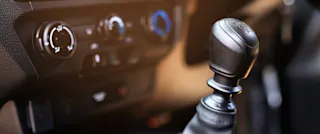
Is manual driving really going the way of the dinosaur? It might not be a shock to hear that as more of us choose cars with automatic transmissions, it’s rarer and rarer to come across a manual car in Australia.
Until around the 1960s, practically all cars on the road had a manual transmission. A Canadian steam engineer named Alfred Horner invented an automatic transmission using compressed air in 1921, and General Motors introduced the first hydraulic fluid automatic transmission in 1940. But it took some years for automatic transmissions to become common in popular cars.
Fast forward to today, and the vast majority of Aussie cars are automatic. Fewer than 4% of new cars now have a manual transmission in Australia. That’s a little over 40,000 vehicles! And here at Carma, just 5.2% of secondhand cars listed have manual transmissions at the time of writing.
So how common is it to still ‘drive stick’, and why are some people still loving their manual gearbox?
While there are no doubt higher proportions of manual licences in older generations, it helps to look at learner driver numbers to see what’s shifting in the world of manual vs automatic. Right around Australia, we see a similar pattern.
In NSW in 2022, just over one in 10 learner driving tests was in a manual car. Meanwhile in Victoria the figure was one in six. And in Queensland, the figure was closer to one in four, though even in this state automatic tests have been more and more common than manual every year since 2014. As an interesting side note – manual drivers were actually more likely to pass on their first test than automatic drivers, according to a 2023 BudgetDirect survey.
It’s easy to see there’s a kind of a cycle over time: as more automatic cars are purchased, fewer and fewer young drivers actually have access to a manual car that they can learn in. Which leads us to the question:
Of the few manual cars still bought new in Australia, here are some of the notable buyers:
The majority of manuals purchased today are commercial or utility vehicles. And this makes sense: farmers, mining companies and tradies can all benefit from vehicles that are known to be relatively simple and durable. Vehicle fleets could save a buck or two by choosing manual vehicles, and depending on the vehicle a manual transmission could provide greater control for rough terrain or heavy loads. So it’s no surprise that this category tops the list.
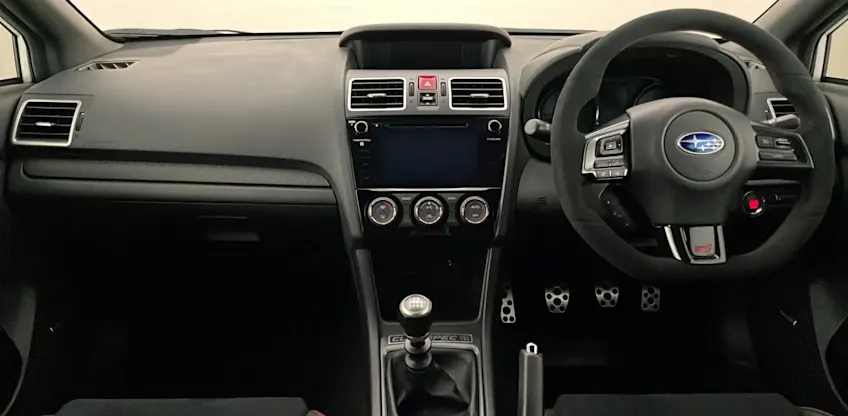
Manual cars now account for just 1.52% of passenger cars, and plenty of passenger cars no longer even offer a manual option. However, some vehicle manufacturers make a point of offering manual stock for fun-loving drivers. Some notable makes and models with manual options include the Subaru WRX, the Suzuki Jimny and the Nissan Z. And of course, there are die-hard fans who will always love classic and vintage cars and the manual driving experiences that they provide.
Though manual driving is becoming increasingly rare in Australia and the US, it’s actually a lot more common elsewhere. In Europe, manual cars still made up 32% of the new car market as of 2023. That’s down from 89-95% in 2000 – but even so, many Europeans are still used to driving manual. You might have come across this issue if you’ve ever planned to book a rental car for a European holiday! Manual cars also make up nearly 30% of the car market in Latin America and South Africa, and represent a significant proportion of car purchases throughout Asia. So in this sense, Australia is actually an outlier in our love of automatic transmissions.
Interestingly, there are signs that some younger drivers are showing more interest in manual transmission driving. There could be a couple of factors at play; the first being nostalgia for simpler times. The interest from younger drivers could also come from our increasingly automated world. As everything becomes more streamlined, it is kind of nice to embrace the analogue. The TikTok hashtag #savethemanuals has over 70,000 posts, and would you believe that some posts include gear shift ASMR. Some parents are also on board with the manual move, preferring their children to start driving ‘the hard way’ to keep their hands occupied (and off their phone)!
Historically at least, manual cars have been cheaper to buy, run and maintain. They can also be lighter because the engine is simple compared to a modern automatic transmission. There’s even an argument that manuals are less likely to be stolen! This actually makes sense in a world where 8/10 of up-and-coming car thieves can’t actually drive a manual.
But perhaps the purest truth about manual cars is this: while they can take slightly more effort to drive, they’re also a whole lot of fun. They can give you great control in your vehicle, particularly on hilly or twisty roads. Many of the best car chase scenes in movies include manual transmissions. You’d best believe The Italian Job has plenty of manual gear changes! And driving manually involves a level of skill that people find rewarding to conquer. After all, if you’ve never stalled on a hill, have you really lived?
That being said, automatic transmissions have evolved beyond belief since the original versions. Auto cars can make for a smoother driving experience, particularly in heavy traffic. And modern automatic transmissions are now very capable of responding well to changing road conditions. Two-pedal cars are certainly simpler to drive.
So perhaps the luckiest people of all get to try the best of both worlds.
Whatever your transmission preference, there’s something great to be found at Carma. The expert team at Carma selectively sources the best second-hand cars and conducts thorough checks before any vehicle is listed, taking the hard work and hassle out of buying a used car. You can even get your car delivered to your front door, and return it for any reason within the first seven days.
The documents you need when selling a car with finance owing in Australia: payout letters, PPSR discharge, finance agreements, and what to hand over at settlement.
Not all trim upgrades are worth paying for. Here's which features justify the premium, which ones don't, and how to think about it on a used car.
Cars worth knowing about. Tips and news worth reading. All direct to your inbox.
We’ve won and been finalists for awards in recognition of our efforts to provide the best care and innovation to our customers.


^ Estimated repayment calculation based on an average rate calculated across all fixed P&I used car loans offered by Carma preferred financiers to eligible applicants purchasing a vehicle aged 0-7 years from build date. The interest rates displayed are guides only and does not reflect an offer for any particular product or your situation and does not imply credit is available to you at this rate. Repayments as a result of this simulation can vary based on your personal circumstances including your credit worthiness. Final rate and all applications subject to financier approval. Fees and charges apply. The direct debit frequency options available from financiers may differ.
†within Greater Sydney
NSW Motor Dealer’s Licence: MD087139 • NSW Motor Vehicle Repairer: MVRL59465
© 2026 Carma
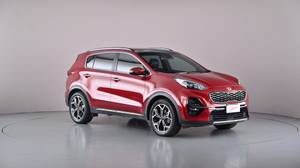
2020 Kia Sportage
GT-LINE (AWD)
106,913 km • Automatic
$22,990
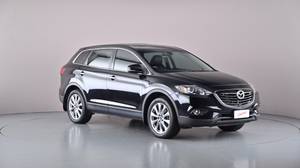
2015 Mazda CX-9
LUXURY (FWD)
145,310 km • Automatic
$13,990
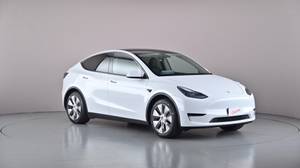
2023 Tesla Model Y
REAR-WHEEL DRIVE
10,209 km • Automatic
$46,990
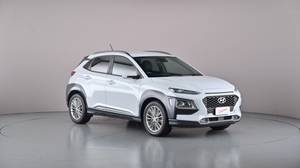
2018 Hyundai Kona
ELITE (FWD)
83,447 km • Automatic
$19,990
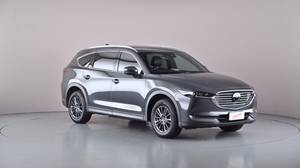
2020 Mazda CX-8
TOURING (FWD)
50,204 km • Automatic
$29,990
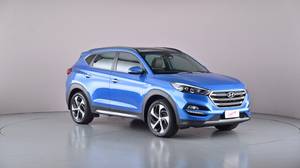
2016 Hyundai Tucson
HIGHLANDER (AWD)
53,124 km • Automatic
$22,990
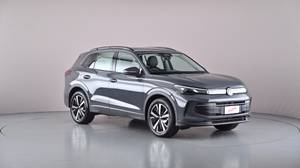
2025 Volkswagen Tiguan
110TSI LIFE
9,759 km • Automatic
$44,990
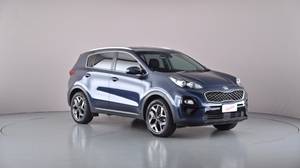
2020 Kia Sportage
SX (FWD)
118,378 km • Automatic
$18,990
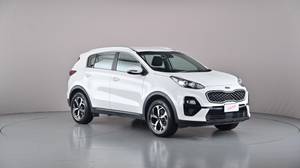
2020 Kia Sportage
S (FWD)
52,883 km • Automatic
$22,990
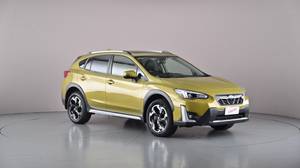
2020 Subaru XV
HYBRID S AWD
36,040 km • Automatic
$27,990
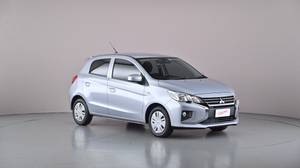
2021 Mitsubishi Mirage
ES
40,135 km • Manual
$12,990