
Base model or higher trim: is it worth paying more?
Not all trim upgrades are worth paying for. Here's which features justify the premium, which ones don't, and how to think about it on a used car.



Selling a financed car involves more paperwork than a straightforward private sale. Beyond the standard documents, you'll need specific records from your lender that prove the loan is being settled and the buyer is receiving clean title. Here's what those documents are, why each one matters, and when you need to have them ready.
This is the most important document in a financed car sale. A payout letter is a formal written statement from your lender that specifies the exact amount required to settle your car loan as at a given date. It confirms:
The payout letter must come from the lender directly, on their letterhead, recently dated. A verbal figure from a customer service call or a number from your online banking app is not sufficient. Buyers, dealers, and solicitors handling the conveyancing will require the formal letter before proceeding.
Request your payout letter in writing, either through your lender's secure messaging system or by direct request to your lender's settlements team. Allow a few business days for the response. Payout figures are typically valid for 30 days, so time your request to align with your expected settlement date. If settlement is delayed beyond the validity period, you will need a fresh letter. Build this into your timeline when planning the sale.
Some buyers and dealerships will ask to see a copy of your original finance contract. This establishes the terms of the loan, the lender's name, and the nature of the security interest over the vehicle. It also helps confirm that the payout letter comes from the correct lender.
If you no longer have a copy, contact your lender and request one. Most lenders will provide a copy of your contract on request. For cars like the used Toyota Kluger and other larger family vehicles where loan amounts tend to be higher, buyers are more likely to scrutinise these documents carefully before committing.
Once the loan has been settled, your lender is required to remove the security interest from the Personal Property Securities Register. This discharge confirms to the buyer that the encumbrance has been lifted and they are receiving the vehicle free of any financial claim.
In most cases, lenders discharge the PPSR registration within one to two business days of receiving the final payment. Ask your lender to confirm the expected discharge date and follow up to verify the registration has been removed. The buyer can check this themselves at ppsr.gov.au at any point.
Keep a copy of any confirmation your lender provides about the discharge. If any dispute arises later about when the title was cleared, this documentation protects you.
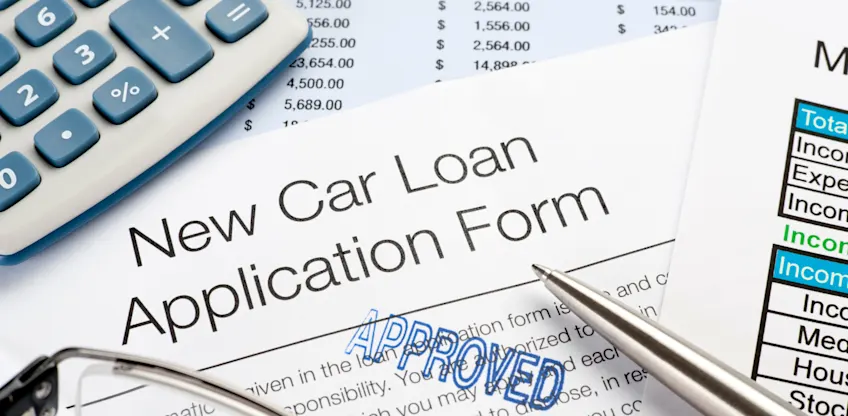
When a buyer pays part of the purchase price directly to a lender as part of a private sale settlement, they will typically want written confirmation that the payment has been received and the loan settled. Ask your lender to provide a settlement receipt or authority to release the vehicle once the payout has cleared.
This is less commonly required when selling to a dealership, since dealers handle the lender relationship themselves. In a private sale, having this document ready for the buyer closes the transaction cleanly.
Once settlement has occurred, ask your lender to confirm in writing that the loan has been paid out and the security interest discharged. This gives you a clear paper trail for the transaction. In the event that any issue arises after the sale, such as a delay in the PPSR discharge or a dispute about the settlement amount, this confirmation protects both you and the buyer.
Some lenders provide this automatically. Others require a specific request. Ask before settlement so you know what to expect and can follow up promptly if the confirmation doesn't arrive.
The finance-specific documents sit on top of the standard paperwork required for any car sale in Australia. You'll still need:
In NSW, you are also legally required to lodge a Notice of Disposal within 14 days of the sale, regardless of whether there was finance on the car.
A private sale that reaches settlement without a current payout letter is a significant problem. Without it, the buyer can't verify that the loan will be settled from the sale proceeds. Many buyers will simply walk away. Others may attempt to renegotiate the price to account for the uncertainty, since they're taking on additional risk.
Prepare your documents before you list, not after you've found a buyer. The process is cleaner, faster, and less likely to fall over at the finish line.
If you'd prefer to avoid the document coordination entirely, get a valuation from Carma. Carma helps manage the lender paperwork as part of the sale, which means you don't need to manage a three-way settlement between yourself, a buyer, and a lender.
Not all trim upgrades are worth paying for. Here's which features justify the premium, which ones don't, and how to think about it on a used car.

What happens to your car loan when you sell? The loan doesn't disappear — here's how settlement works in a private sale, through a dealer, and with negative equity.

Torn between a hatchback and an SUV? Here's the decision framework that cuts through the noise and helps you choose based on how you actually drive.