
8 common mistakes to avoid when selling your car
The 8 most common mistakes when selling your car privately in Australia — from overpricing to the Notice of Disposal most sellers forget to lodge.


Most car buyers assume the answer is obvious. Of course you want the better version. More features, nicer interior, bigger wheels. What's not to like? The reality is more specific than that. Some trim upgrades are genuinely worth the premium and hold their value well. Others are features that look appealing on a spec sheet and cost a surprising amount to fix when they break. The decision also changes entirely when you're buying a used car rather than a new one, because the first buyer has already absorbed the depreciation hit so you don't have to. Here's how to think through it properly.
Most manufacturers structure their trim ladders around three types of upgrades: safety and driver assistance technology, comfort and convenience features, and aesthetic upgrades. The safety tech moves up the ladder as you climb: base models often include autonomous emergency braking and lane departure warning, while blind spot monitoring, rear cross-traffic alert, and adaptive cruise control tend to be reserved for mid or upper trims.
Comfort upgrades include things like heated seats, leather upholstery, a sunroof or moonroof, a premium audio system, and wireless charging. Aesthetic upgrades cover larger alloy wheels, sportier exterior styling, and upgraded lighting. These three categories behave very differently for long-term value.
Advanced safety features are the strongest argument for a higher trim. Blind spot monitoring, rear cross-traffic alert, and adaptive cruise control aren't just conveniences: they actively reduce your exposure to accidents in everyday driving conditions. A used Kia Sportage at the SX or GT-Line level, for example, adds a suite of safety tech over the base S that's meaningfully more comprehensive.
The safety tech argument is also one of the few where the used car maths supports paying up. Safety features don't wear out like seats or sound systems, they don't add to your servicing costs, and the accident-avoidance benefit is real regardless of how old the car is. If you're choosing between two variants of the same model and the higher one has significantly better safety technology, that's the upgrade most likely to pay for itself.
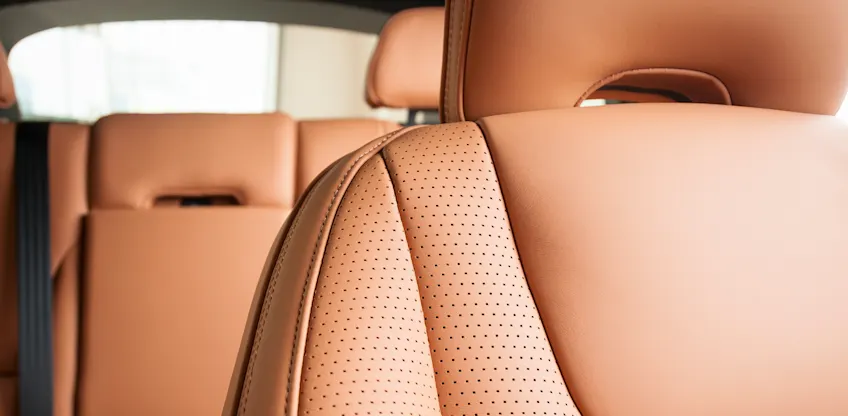
Leather seats look the part but they heat up badly in Australian summers, scratch more visibly than cloth, and cost considerably more to repair if they crack or tear. Premium audio systems deliver better sound but depreciate as fast as any other electronics and are often difficult and expensive to replace if something fails. Panoramic sunroofs add weight, reduce headroom, are a common source of rattles and leaks in older cars, and can easily cost several thousand dollars to replace if the glass cracks.
Larger wheels are covered separately. Short version: they may compromise ride quality and tyre costs without adding much in practice. A used Honda CR-V in a mid-spec trim drives identically to the flagship for everyday errands and costs significantly less to insure and run.
None of this means those features are bad. It means that on a used car, you should buy them because you want them, not because you think you'll recoup the cost.
On a new car, the premium for a higher trim is proportionally significant. A $4,000 difference between a base and mid-spec model is 4,000 real dollars on top of an already large outlay. On a used car, that same gap between a base model and a higher trim of the same year and mileage is often compressed. The market knows the higher spec car is worth more, but not necessarily by the same margin as when it was new.
More importantly, the person who bought the higher trim new already took the depreciation hit on those extra features. The leather seats, the sunroof, the 19-inch wheels: all of that came down in value at the same rate as the rest of the car. You're buying features that have already been paid for by someone else.
Start with the safety tech. If the higher trim meaningfully expands what the car can do to help you avoid an accident, that's where the money is well spent. Then look at the feature list practically: which of the comfort or convenience upgrades will you use every day, and which ones are impressive in a brochure but irrelevant to how you actually drive?
On a used car, a used Hyundai Santa Fe at its mid-spec level might suit a buyer who mostly cares about safety and reliable everyday features without paying to maintain the top-spec's leather interior and panoramic sunroof. The top-spec Santa Fe is a genuinely impressive car, but only worth the premium if you'll use and appreciate what separates it from the trim below.
The new car buyer chose the trim and paid the premium. On a used car, you get to decide whether what they chose suits your life, and pay for it at the price the market has settled on after depreciation. Carma lists every car at a fixed, transparent price with no negotiation, which means the trim-level comparison is exactly as clear as the numbers suggest. Browse the current range and compare trim levels side by side.
The 8 most common mistakes when selling your car privately in Australia — from overpricing to the Notice of Disposal most sellers forget to lodge.
Cruise control can save 7–14% fuel on a flat highway. On a hilly road, it can cost you more. Here's when to use it and when to turn it off.

The documents you need when selling a car with finance owing in Australia: payout letters, PPSR discharge, finance agreements, and what to hand over at settlement.
Cars worth knowing about. Tips and news worth reading. All direct to your inbox.