
8 common mistakes to avoid when selling your car
The 8 most common mistakes when selling your car privately in Australia — from overpricing to the Notice of Disposal most sellers forget to lodge.

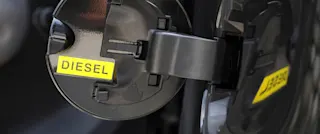

Whether you should buy a diesel car in Australia is a genuinely contested question, and anyone giving you a flat yes or no is probably leaving something important out. The honest answer is: it depends almost entirely on how you drive.
For a long time, the diesel argument was easy. Diesel fuel was cheaper at the bowser, diesel engines returned better fuel economy at highway speeds, and the torque on offer made them the obvious choice for towing or long-haul driving. Buyers who covered serious kilometres got their money back on running costs before the higher purchase price became a problem.
In recent years, that economics case has weakened. The fuel cost advantage has narrowed considerably, and the extra purchase cost of a diesel vehicle takes longer to claw back through savings at the pump. The question of whether diesel is worth it in Australia now depends less on a simple spreadsheet and more on what the car actually needs to do.
The biggest practical issue with diesel in 2026 is one that doesn't show up in a fuel economy figure: the Diesel Particulate Filter, or DPF.
The DPF captures soot from the exhaust to reduce emissions. Over time it builds up and needs to clear itself through a process called regeneration, which requires sustained high-temperature driving, typically at highway speeds for a period of time. When a diesel vehicle spends its life doing short suburban trips, school runs, and stop-start city commutes, the DPF never gets the chance to regenerate properly. Soot accumulates, and eventually the filter blocks. DPF repairs and replacements are among the more expensive diesel-specific jobs, often running into thousands of dollars.
If your daily routine is within 20 to 30 kilometres of home and you rarely venture onto a motorway for any real distance, a diesel is carrying a risk you probably don't need. This is the scenario where diesel genuinely doesn't stack up against a petrol equivalent.
For certain use cases, the diesel argument is still strong.
Genuine long-distance drivers, whether that is rural property owners covering hundreds of kilometres regularly, tradespeople running heavy loads across a wide area, or people who travel frequently between cities, will still find diesel delivers at highway speeds in a way petrol cannot match at the same efficiency.
Towing is the other clear case. Diesel torque at low RPM means the engine doesn't have to work as hard when a loaded trailer is behind it, and that translates to real-world fuel savings and a more comfortable towing experience over long distances. For anyone running a boat trailer, horse float, or work trailer on a regular basis, diesel remains the practical choice in most cases.
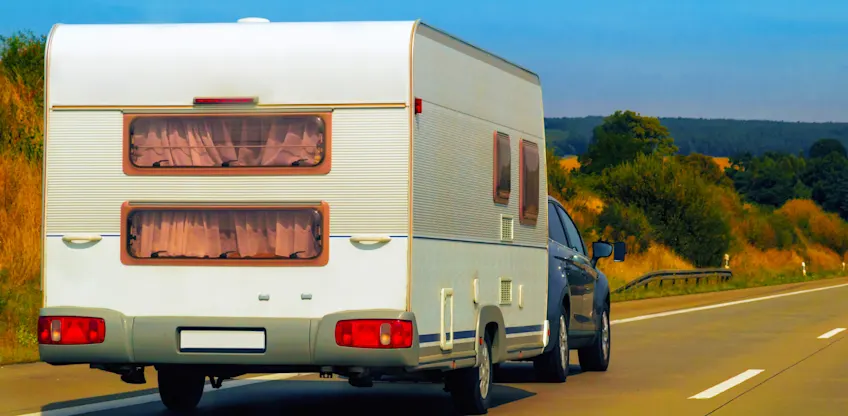
Used diesel cars in the ute and 4WD segments in particular can represent strong used buys, provided they have the highway history to back them up.
The most popular diesel used cars in Australia are the vehicles that were purpose-built for the workload: the used Toyota HiLux, the used Ford Ranger, the used Toyota LandCruiser Prado, and the full LandCruiser. These vehicles are typically bought by buyers who put real kilometres on them, and a well-maintained example with a documented highway history is a solid used buy.
The caution applies to diesel SUVs and wagons that have spent their working life doing suburban duties. A diesel Prado that has genuinely covered outback ground is a different proposition from one that has done 80,000 kilometres of city school pickups. The DPF condition on the latter is almost always a concern.
The challenge from a listing page is that usage history is hard to read from photos and an odometer. This is where Carma's inspection process is worth noting: every car is assessed for mechanical condition before it is listed, which means DPF and diesel-specific issues are identified before a buyer encounters them.
For city and suburban drivers who are asking themselves whether diesel is worth it, the emerging alternative is an electric vehicle rather than a petrol. The short-trip profile that is hardest on a diesel engine is actually the ideal scenario for an EV. Range is less of a concern when you are rarely travelling more than 50 kilometres in a day and can charge overnight. It is worth considering if you are primarily a city driver, though the right answer depends on your charging access and budget.
Whether you should buy a diesel car in Australia comes down to a few questions worth answering honestly before you buy. How far do you travel each week, and on what kinds of roads? Do you tow regularly, or carry heavy loads? Do you drive between cities or spend most of your time in the suburbs?
If the answers point to long distances, highway driving, and regular towing, diesel still earns its place. If your driving is suburban and your trips are short, the running cost case is weaker and the maintenance risk is real.
The most sensible take on diesel in 2026 is this: it is an engine that rewards the driver who actually needs it. Buy a diesel for highway kilometres and real work, and you will likely be satisfied. Buy one because it felt like a premium choice or because diesels had a strong reputation a decade ago, and you may find the DPF bills eat up any saving you thought you were making.
If you are ready to find the right used car for how you actually drive, browse our used car inventory and filter by fuel type to see what suits your needs.
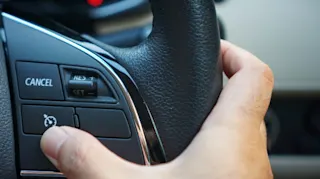
Cruise control can save 7–14% fuel on a flat highway. On a hilly road, it can cost you more. Here's when to use it and when to turn it off.

The documents you need when selling a car with finance owing in Australia: payout letters, PPSR discharge, finance agreements, and what to hand over at settlement.
We’ve won and been finalists for awards in recognition of our efforts to provide the best care and innovation to our customers.


^ Estimated repayment calculation based on an average rate calculated across all fixed P&I used car loans offered by Carma preferred financiers to eligible applicants purchasing a vehicle aged 0-7 years from build date. The interest rates displayed are guides only and does not reflect an offer for any particular product or your situation and does not imply credit is available to you at this rate. Repayments as a result of this simulation can vary based on your personal circumstances including your credit worthiness. Final rate and all applications subject to financier approval. Fees and charges apply. The direct debit frequency options available from financiers may differ.
†within Greater Sydney
NSW Motor Dealer’s Licence: MD087139 • NSW Motor Vehicle Repairer: MVRL59465
© 2026 Carma
Cars worth knowing about. Tips and news worth reading. All direct to your inbox.