
8 common mistakes to avoid when selling your car
The 8 most common mistakes when selling your car privately in Australia — from overpricing to the Notice of Disposal most sellers forget to lodge.

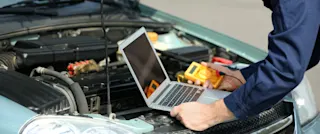

Service history is one of the first things a serious buyer asks for. A car with documented maintenance sells faster and for more money than an identical car with nothing to show. The problem is that most people aren't sure where to look. Here's how to find what you have.
A complete service history tells a buyer two things: the car has been maintained, and the seller is straightforward. Missing records don't automatically mean a car was neglected, but buyers will assume the worst and negotiate accordingly. For popular models like the used Toyota Corolla or the used Hyundai i30, buyers often have multiple options at similar prices. Service history is one of the clearest tie-breakers.
Even a partial history is worth presenting. Half a logbook beats nothing. Two years of receipts beats an empty folder. When buyers are comparing two similar cars at similar prices, the one with better documentation almost always wins. The seller gets a cleaner offer, fewer negotiations, and a faster transaction. It is one of the simplest things you can do to improve the outcome of your sale before you even list.
For most cars sold in Australia, the logbook is the primary record. It's a booklet that travels with the car, with a stamp or signature from the servicing workshop at each scheduled service.
Check the glovebox first. If it's not there, look in the boot alongside the spare tyre, or in any other storage area the previous owner might have used. If you bought the car secondhand and the logbook wasn't handed over with it, the previous owner may still have it.
A complete logbook covers the full service history from new, with stamps at regular intervals matching the manufacturer's recommended schedule. Gaps in stamping can still be explained if you have receipts for the work done during those periods. If services were performed at a workshop that doesn't stamp logbooks, a written confirmation from the mechanic on their letterhead is worth asking for. It covers the gap clearly and gives buyers something concrete to assess.
If the car was serviced at a franchised brand dealership at any point, those service records are stored in the manufacturer's network. This is one of the most useful options available to sellers, and one of the least used.
Call any dealership for that brand and ask for a service history printout using the VIN (Vehicle Identification Number, found on the dashboard at the base of the windscreen or on the driver's door jamb). Most franchised dealers across Ford, Toyota, Mazda, Hyundai, Kia, Mitsubishi, and Subaru will provide this at no cost. The printout shows every service event recorded in the manufacturer's national system, including the date, odometer reading at the time, and work performed. It takes a few minutes and is one of the most underused tools available to private sellers.
This is especially useful when you've bought a used car that came with an incomplete logbook. The dealer history may fill the gaps.
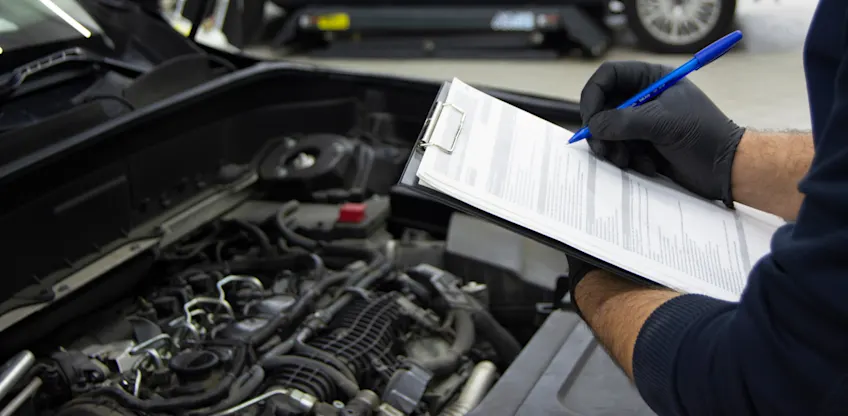
Newer vehicles increasingly record service events digitally through the manufacturer's connected services platform. Toyota's MyToyota app, Hyundai's Bluelink, and similar systems often retain service history that can be accessed through a registered account.
If you set up a connected account when you bought the car, log in and check. Even if you didn't register, the previous owner may have, and the records may still exist in the system. Your dealership can sometimes access this on your behalf.
Some independent workshops also use digital platforms that generate a service invoice and photos, sent by email. Search your inbox for the workshop name if you've had independent work done.
Incomplete service history doesn't have to be a dealbreaker in your sale. What matters is what you can show and how transparent you are about what you can't.
Gather everything you have: the logbook with whatever stamps exist, any emailed receipts, invoices from petrol stations for oil or fluids, or receipts from parts stores if you've done maintenance yourself. Don't dismiss anything as too minor. An oil change receipt from three years ago is still evidence the car was being looked after. Present it all together and let the buyer form their own view.
If there's a genuine gap you can explain, explain it. "Serviced privately by a mechanic I've used for years" is a lot better than silence. Carma assesses the car's mechanical condition directly as part of the Carma standard, which means buyers don't have to take service history on faith alone. If you're selling to Carma, the history you've gathered helps support your valuation.
Once you've assembled whatever records you have, organise them so they're easy to hand to a buyer. A clear plastic sleeve or a folder works well. Photo ID, registration certificate, service records, and any receipts together in one place looks professional and tells the buyer this sale has been prepared properly.
A well-organised document pack at handover is a small thing that reinforces confidence at the exact moment the buyer is deciding whether they've made the right choice.
Get a valuation from Carma if you're ready to find out what your car is worth.
Cruise control can save 7–14% fuel on a flat highway. On a hilly road, it can cost you more. Here's when to use it and when to turn it off.

The documents you need when selling a car with finance owing in Australia: payout letters, PPSR discharge, finance agreements, and what to hand over at settlement.
We’ve won and been finalists for awards in recognition of our efforts to provide the best care and innovation to our customers.


^ Estimated repayment calculation based on an average rate calculated across all fixed P&I used car loans offered by Carma preferred financiers to eligible applicants purchasing a vehicle aged 0-7 years from build date. The interest rates displayed are guides only and does not reflect an offer for any particular product or your situation and does not imply credit is available to you at this rate. Repayments as a result of this simulation can vary based on your personal circumstances including your credit worthiness. Final rate and all applications subject to financier approval. Fees and charges apply. The direct debit frequency options available from financiers may differ.
†within Greater Sydney
NSW Motor Dealer’s Licence: MD087139 • NSW Motor Vehicle Repairer: MVRL59465
© 2026 Carma
Cars worth knowing about. Tips and news worth reading. All direct to your inbox.