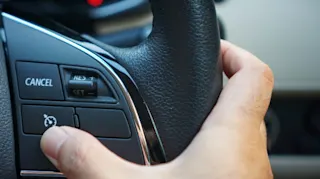
Does cruise control actually save fuel?
Cruise control can save 7–14% fuel on a flat highway. On a hilly road, it can cost you more. Here's when to use it and when to turn it off.



Selling a car in Australia requires more paperwork than most people expect. Some of it is legally mandatory, some of it is standard practice that protects both parties, and some of it is optional but makes the sale faster and cleaner. This is the complete list of what you need to sell a car, from the basics to the extras that serious buyers expect.
This is the primary legal document that confirms the vehicle's identity and your right to sell it. The certificate of registration (sometimes called the rego papers) contains the VIN, registration plate number, registered owner's name, and registration expiry date. In most states, you need to sign the back of the certificate and hand it to the buyer at the time of sale.
Without this document, the buyer cannot transfer the registration into their name. If you've lost your certificate, apply for a replacement through your state's transport authority before the sale, not after you've found a buyer.
You'll need to verify your identity as the seller. A current Australian driver's licence is the standard form of ID accepted in private sales. If you don't have a driver's licence, a passport with a separate document confirming your current address (such as a utility bill) is the typical alternative.
This is also worth collecting from the buyer. A copy of the buyer's driver's licence gives you verification of who you sold the car to, which is useful if any dispute arises later or if you need to support a Notice of Disposal query.
You need a written record of the sale. This doesn't need to be a formal legal contract, but it must capture:
A sale receipt that includes these details is sufficient for most private sales in Australia. Keep a copy. The buyer keeps the original. This document is your evidence of the transaction if any dispute arises.
This is the seller's mandatory notification to the state transport authority that the vehicle has been sold. In NSW, you must lodge the Notice of Disposal within 14 days of the sale through Service NSW. Other states have equivalent requirements under different names.
The Notice of Disposal removes you from the vehicle's operator record. Without it, any fines or infringements generated after the sale will be directed to you. It can be lodged online in a few minutes at no cost. Lodge it on the day you hand over the car.
If there is an outstanding car loan on the vehicle, you'll need a formal payout letter from your lender before or at the point of sale. This letter confirms the exact amount required to discharge the loan and release the lender's security interest over the vehicle.
For popular family vehicles like the used Mitsubishi Outlander and similar, which are frequently purchased with finance, buyers expect this documentation when purchasing privately. Without it, a PPSR check will show an encumbrance on the vehicle and most informed buyers will not proceed.
Technically optional, but practically essential for maximising sale price and speed. A complete service history in the form of a stamped logbook, or a dealer service history printout, tells the buyer the car has been maintained. Cars without documented service history sell for less and take longer to sell.
Pull together whatever service records you have before you list. This includes the physical logbook, emailed receipts from workshops, and any dealer service history printout available through the manufacturer's network. If the car was serviced at a franchised dealership, call them and ask for a service history printout using the VIN. Most will provide it free. It takes a few minutes and can meaningfully increase buyer confidence at no cost to you.
Whether a roadworthy certificate is required depends on which state you're selling in. In Victoria and Queensland, a current roadworthy certificate is legally required for all private vehicle sales. In New South Wales, it is not a legal requirement for private sales, though buyers may request one for peace of mind.
In other states including South Australia, Western Australia, and the ACT, roadworthy certificates are optional for private sales. Check your state's specific requirements before listing, since the rules differ and can affect whether your sale is legally valid.
The best time to pull all of this together is before you list the car, not after you've found a buyer. Having documents ready signals that the sale is well-organised and reduces the chance of a buyer losing patience during the process. If you're missing anything, start the replacement or request process early. A buyer who asks for the certificate of registration or a service history and is told it will arrive "in a day or two" has every reason to stay on the market while they wait. The documents that take time to replace, like a lost registration certificate or a dealer service history from years ago, are the ones worth chasing down before you commit to a listing date.
If you sell to Carma, the paperwork involved in the sale, including any required transfer and disposal notices, is managed as part of the process. Get a valuation from Carma and see what your car is worth.

The documents you need when selling a car with finance owing in Australia: payout letters, PPSR discharge, finance agreements, and what to hand over at settlement.
Not all trim upgrades are worth paying for. Here's which features justify the premium, which ones don't, and how to think about it on a used car.
We’ve won and been finalists for awards in recognition of our efforts to provide the best care and innovation to our customers.


^ Estimated repayment calculation based on an average rate calculated across all fixed P&I used car loans offered by Carma preferred financiers to eligible applicants purchasing a vehicle aged 0-7 years from build date. The interest rates displayed are guides only and does not reflect an offer for any particular product or your situation and does not imply credit is available to you at this rate. Repayments as a result of this simulation can vary based on your personal circumstances including your credit worthiness. Final rate and all applications subject to financier approval. Fees and charges apply. The direct debit frequency options available from financiers may differ.
†within Greater Sydney
NSW Motor Dealer’s Licence: MD087139 • NSW Motor Vehicle Repairer: MVRL59465
© 2026 Carma