
8 common mistakes to avoid when selling your car
The 8 most common mistakes when selling your car privately in Australia — from overpricing to the Notice of Disposal most sellers forget to lodge.



The odometer and the build year are the two numbers most buyers fixate on when shopping for a used car. The problem is that looking at either one in isolation, or even both in isolation, misses the point. The question of whether a newer car with more kilometres beats an older car with fewer km is more nuanced than most buyers realise, and getting it wrong either way can cost you.
A car with 120,000km sounds high. But if that car is eight years old, it has averaged 15,000km per year. That's almost exactly in line with the Australian average. Nothing unusual about it.
Now take a four-year-old car with 25,000km on the clock. At first glance it looks barely used. But that works out to just over 6,000km per year, which raises a genuine question: where did this car spend most of its life? Short suburban trips, stop-start school runs, and infrequent use are actually harder on an engine than steady highway kilometres. Cold starts without reaching full operating temperature, moisture build-up in the oil, and seals and gaskets that never fully warm up are all consequences of low-use driving patterns.
So a higher-km car that spent its life on highway commutes or regional runs can be in considerably better mechanical shape than a lower-km car that rarely left a two-kilometre radius.
When you are comparing a newer car with more km against an older car with fewer km, start by doing the maths: divide the kilometres by the age in years. That average tells you far more than either number alone.
Not all kilometres are equal. Highway driving is relatively gentle on a car. Engine and transmission temperatures stay stable, components operate under consistent load, and brakes wear slowly. Stop-start urban driving is the opposite. It puts far more stress on the engine, wears brakes faster, and tends to cause more wear on automatic transmissions.
A used car that spent its working life as a country sales rep's company car, covering long regional routes between services, has typically had a much easier run than a same-aged car that spent years idling in Sydney traffic. The odometer might look worse. The actual condition often isn't.
If you can, ask about the previous owner's profile and how the car was predominantly used. It's not always possible to verify, but it changes the picture.
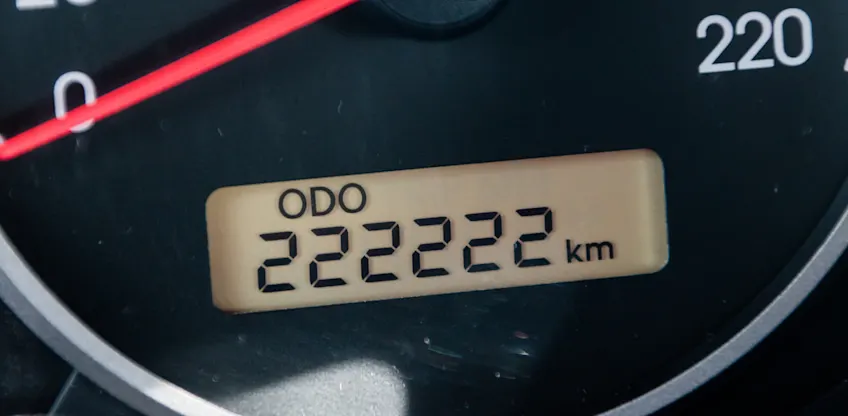
Here's the thing buyers often overlook: the brand and model is frequently more predictive of long-term durability than the specific odometer reading.
A used Toyota HiLux or used Mazda CX-5 with 180,000km and a complete service history represents a car with a well-documented track record of longevity. The same is not automatically true of a higher-mileage European model with known reliability quirks and patchy records. Some makes handle high kilometres with relatively few problems. Others accumulate expensive issues from the mid-life point onward regardless of how carefully the car was driven.
Research the specific model's common failure points before you commit. Owner forums, independent reviews, and repair cost data are all useful. A car with 50,000 fewer kilometres on a less reliable platform might end up costing more in repairs over your ownership period than one with a longer history on a more durable one.
It seems logical that a car with low kilometres has had an easier life. But there's a difference between low km because the car has been lightly used by a careful owner, and low km because the car has sat idle in a garage or driveway for extended periods.
Cars are built to move. Extended periods of disuse cause specific types of damage. Rubber seals and hoses degrade even without mechanical stress. Brake components can corrode from lack of use. Fuel systems, particularly in older cars, suffer from stale fuel residue and clogged injectors. Batteries lose capacity and tyres develop flat spots.
Should you buy a car with over 100,000km? explores the broader question of what the odometer really signals. The short version: a well-maintained higher-km car is often a sounder buy than a neglected or long-dormant one with a smaller number on the dash.
If you only take one thing from this article, make it this: service history is the most important variable in the km vs age equation.
A newer car with more kilometres and a complete, documented service history is almost always the smarter choice over an older car with fewer km and gaps in its record. The history tells you how the car has been maintained, whether issues have been caught early, and whether the previous owner treated servicing as routine rather than optional.
Gaps in service history raise the question of what was not done, and when. That's the harder risk to price.
For buyers who are not confident assessing whether kilometres are "good" kilometres or not, knowing what was done to the car between services matters enormously. That is where independent inspection matters: at Carma, every car goes through our quality process before it reaches the listing stage, so the mechanical condition is assessed regardless of what the odometer says. You can read more about the Carma quality process here.
When you are faced with the choice between a newer car with more km or an older car with fewer km, resist the temptation to pick a winner based on the numbers alone. Look at the km relative to age, understand how those kilometres were likely accumulated, research the model's reliability record, and check the service history carefully.
A car that has been used well and maintained consistently is a better buy than one where the odometer just happens to show a flattering number.
The odometer is a starting point, not a verdict. The buyers who consistently get the best value from the used car market are the ones who understand that a newer car with more km or an older car with fewer km can both be excellent choices. It depends on the story behind the numbers.
Browse the cars available at Carma, where every listing includes the full service and condition details so you can make that call with confidence, not guesswork.
Cruise control can save 7–14% fuel on a flat highway. On a hilly road, it can cost you more. Here's when to use it and when to turn it off.
The documents you need when selling a car with finance owing in Australia: payout letters, PPSR discharge, finance agreements, and what to hand over at settlement.
We’ve won and been finalists for awards in recognition of our efforts to provide the best care and innovation to our customers.


^ Estimated repayment calculation based on an average rate calculated across all fixed P&I used car loans offered by Carma preferred financiers to eligible applicants purchasing a vehicle aged 0-7 years from build date. The interest rates displayed are guides only and does not reflect an offer for any particular product or your situation and does not imply credit is available to you at this rate. Repayments as a result of this simulation can vary based on your personal circumstances including your credit worthiness. Final rate and all applications subject to financier approval. Fees and charges apply. The direct debit frequency options available from financiers may differ.
†within Greater Sydney
NSW Motor Dealer’s Licence: MD087139 • NSW Motor Vehicle Repairer: MVRL59465
© 2026 Carma
Cars worth knowing about. Tips and news worth reading. All direct to your inbox.