
8 common mistakes to avoid when selling your car
The 8 most common mistakes when selling your car privately in Australia — from overpricing to the Notice of Disposal most sellers forget to lodge.

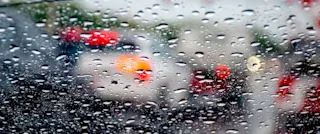

Modern cars are basically computers on wheels, and while those high-tech safety features are game changers for your daily commute, they aren't invincible. We’ve all been there, driving through a sudden downpour or squinting through morning fog, only to have a mysterious "Sensor Blocked" warning pop up on the dash.
Before we dive into the weather, a quick refresher. Your car uses Advanced Driver Assistance Systems (ADAS); think Lane Keeping Assist, Blind Spot Monitoring, and Adaptive Cruise Control which rely on a mix of cameras (usually behind the windshield) and radar sensors (often tucked into the bumper or grille). Then there’s the old faithful ABS (Anti-lock Braking System) and ESC (Electronic Stability Control), which monitor your wheel speed to keep you from skidding. When the weather gets wild, these systems can get a little… confused. So, let's break down how the elements actually mess with your car’s brain and more importantly, what you can do to keep things running smoothly.
Just like you struggle to see in a heavy storm, your car’s cameras do too. Raindrops and thick fog scatter light, which can trick your car into "seeing" obstacles that aren't there or missing lane markings entirely.
The risk:
False Automatic Emergency Braking (AEB) alerts or your Lane Keeping Assist "giving up" because it can't find the lines. This can give you abrupt distractions while driving.
To manage this:
Keep your windshield clean! Even small smudges can cause glare that blinds the camera. If it’s pouring, don't rely on Adaptive Cruise Control; take over the pedals yourself so you can feel exactly how much grip you have. For more advice, check out how your car behaves differently in the morning due to moisture and cold.
Australia isn't exactly known for its mild summers, and while we’re busy “slip-slop-slapping”, our cars are feeling the heat too. Extreme temperatures can actually cause ADAS sensors to "drift" out of calibration, leading to inaccurate warnings. Even worse, high heat can thin out your brake fluid, causing "brake fade", that terrifying sensation where your pedal feels spongy and your stopping power seemingly feels non-existent.
The risks:
To manage this:
While we don't get much snow in the suburbs, a trip to the Snowy Mountains can throw your car for a loop. Freezing temps can make your battery struggle to provide the high "surge" of power needed to trigger the ABS pump in an emergency.
The risk:
Ice buildup on the front bumper can completely "blind" your radar, while snow on the road can be mistaken for a solid object, triggering a sudden (and unnecessary) brake tap.
To manage this:
Never "force" your wipers to operate if they're frozen to the glass as you’ll burn out the motor. Let the car warm up properly to ensure the brake fluid and battery are at their best before you hit the road. Check out more tips in our winter-ready depth guide.

Whether you’ve been off-roading or just driving through a construction zone, a thin layer of Aussie dust is often all it takes to disable your Blind Spot Monitoring.
The risk:
Sensors are usually hidden behind the plastic of your rear bumper. If that bumper is caked in mud, the sensor can’t "see" the car in the lane next to you.
To manage this:
Give your car a quick walk around after a dusty drive. A simple wipe of the bumper sensors and the "eye" of the reversing camera makes a world of difference. To keep your sensors and trim in top condition, check out our guide on how to detail your exterior trim.
If your dashboard starts lighting up, don't panic. Here is the Carma-approved game plan:
Your car’s safety features are there to support you, not drive for you. By keeping your sensors clean and understanding how the weather affects them, you’re ensuring that when you actually do need those features to kick in, they’re ready for the job. Drive safe out there, and remember: you’re the most important safety feature in the car!
Cruise control can save 7–14% fuel on a flat highway. On a hilly road, it can cost you more. Here's when to use it and when to turn it off.
The documents you need when selling a car with finance owing in Australia: payout letters, PPSR discharge, finance agreements, and what to hand over at settlement.
We’ve won and been finalists for awards in recognition of our efforts to provide the best care and innovation to our customers.


^ Estimated repayment calculation based on an average rate calculated across all fixed P&I used car loans offered by Carma preferred financiers to eligible applicants purchasing a vehicle aged 0-7 years from build date. The interest rates displayed are guides only and does not reflect an offer for any particular product or your situation and does not imply credit is available to you at this rate. Repayments as a result of this simulation can vary based on your personal circumstances including your credit worthiness. Final rate and all applications subject to financier approval. Fees and charges apply. The direct debit frequency options available from financiers may differ.
†within Greater Sydney
NSW Motor Dealer’s Licence: MD087139 • NSW Motor Vehicle Repairer: MVRL59465
© 2026 Carma
Cars worth knowing about. Tips and news worth reading. All direct to your inbox.