
8 common mistakes to avoid when selling your car
The 8 most common mistakes when selling your car privately in Australia — from overpricing to the Notice of Disposal most sellers forget to lodge.



Do you ever start your car in the morning and something just feels…off? It’s either the way your car sounds, feels or maybe even smells a bit different. Well you're not alone, like us humans, it takes a few moments for us after we wake up to feel ready for the day.
There are several reasons your car might behave differently in the morning compared to later in the day. While most relate to temperature and moisture, how the car's engine systems warm up can also play a significant factor.
Engine Temperature
Overnight, the engine cools down, meaning in the morning, it's cold. This results in thicker oil so it flows more slowly. The engine parts also contract slightly, increasing friction. With both of these cases, it makes for slower acceleration and a stiffer feel until the engine warms up.
Battery Performance
Batteries lose efficiency in the cold so it provides less power in the morning which can make the car feel sluggish or slower to start. This is even more prevalent in the winter or colder environments. As a rule of thumb, regularly checking your battery’s health after three years is also recommended, especially when you can feel how different it is from when you first had your battery installed.
Another thing to consider are your car’s electronic features such as interior lights, infotainment systems and remote sensors. All of these can also affect the battery overnight, making a cold start in the morning even tougher.
Fluids and Lubricants
Transmission fluid, power steering fluid and brake fluid all behave differently when cold. They’re thicker, move less freely, and can make gear changes feel rougher or the steering stiffer until everything warms up. Regular servicing and ensuring fluids are topped up can help minimise these effects.
Condensation & Moisture
Overnight moisture can form on brakes, under the chassis or in the exhaust. The first few presses of your brakes might squeak or feel weaker because of this. It will disappear once the car warms up. Also, dew on the road can make the first drive feel different until your tyres clear the moisture and traction normalises (so don’t blame that on your car!)
Fuel Issues
Because it's cold, fuel doesn't vaporise as easily, so the engine does not run optimally until it has some time to warm up. You may notice slightly higher fuel use on shorter drives first thing in the morning.
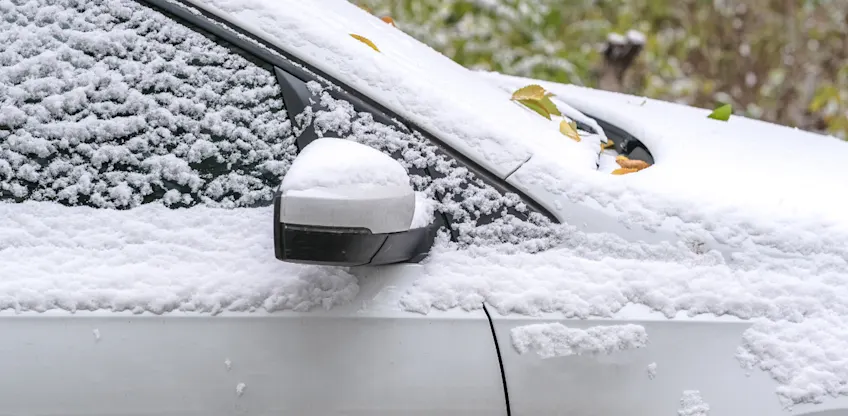
If you notice more severe symptoms like the engine cranking roughly, persistent warning lights, unusual smells (like fuel or exhaust), or odd noises beyond the first few minutes, it might be more than just cold temperatures. The causes could include a weak battery, low oil level or oil grade mismatch, worn spark plugs or sensors, or even early signs of a failing alternator or starter. If you haven’t been doing so already, having regular maintenance checks of your car is also a good idea to prevent car troubles from escalating. With so many potential causes, it’s best to see a licensed mechanic rather than ignore persistent or worsening morning symptoms.
In Australia, the effect can vary significantly by region. For example, vehicles in regional NSW or VIC may experience cold early mornings but hot afternoons, resulting in larger thermal swings. Coastal areas may have milder mornings, but higher humidity and salt air can cause additional moisture or corrosion issues. It’s worth adapting your servicing schedule and running‑in type based on your local climate and usage patterns.
Fortunately, we don’t experience extreme cold temperatures, so having a warming up procedure isn’t necessary.
Don't worry, none of this necessarily means something is wrong. Your car is just 'waking up' in the morning. Most of these issues disappear after a few minutes of driving, as this gives your car and its fluids time to reach optimal temperature.
Interestingly, most modern cars may not even experience this issue, as they have advanced lubricating systems to minimise this. The idea of a ‘cold start’ is something you might not even notice at all! Newer engines are designed to reach operating temperature faster while driving, so it’s best to drive gently rather than sit idling.
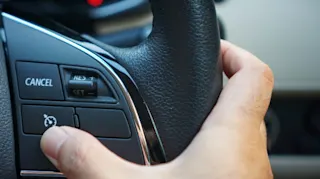
Cruise control can save 7–14% fuel on a flat highway. On a hilly road, it can cost you more. Here's when to use it and when to turn it off.
The documents you need when selling a car with finance owing in Australia: payout letters, PPSR discharge, finance agreements, and what to hand over at settlement.
We’ve won and been finalists for awards in recognition of our efforts to provide the best care and innovation to our customers.


^ Estimated repayment calculation based on an average rate calculated across all fixed P&I used car loans offered by Carma preferred financiers to eligible applicants purchasing a vehicle aged 0-7 years from build date. The interest rates displayed are guides only and does not reflect an offer for any particular product or your situation and does not imply credit is available to you at this rate. Repayments as a result of this simulation can vary based on your personal circumstances including your credit worthiness. Final rate and all applications subject to financier approval. Fees and charges apply. The direct debit frequency options available from financiers may differ.
†within Greater Sydney
NSW Motor Dealer’s Licence: MD087139 • NSW Motor Vehicle Repairer: MVRL59465
© 2026 Carma