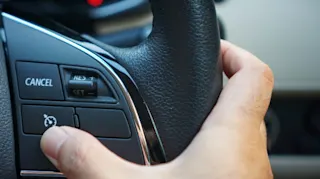
Does cruise control actually save fuel?
Cruise control can save 7–14% fuel on a flat highway. On a hilly road, it can cost you more. Here's when to use it and when to turn it off.



Every seller asks it at some point. The problem is that the answer isn't a single number. It's a range shaped by factors most people don't fully account for. Understand what's driving your car's value and you'll walk into any sale, trade-in, or online valuation with the upper hand.
Car value is set by the intersection of what you have and what buyers are currently willing to pay for it. Here's what moves the needle most.
Age and year of manufacture. New cars can lose 10–15% of their value the moment they leave the dealership, with further depreciation in year one that can take total losses to 25–30%. After that, the rate typically slows. A three-year-old car has often shed the steepest portion of its depreciation curve, which is one reason well-maintained used cars at this age represent solid value.
Kilometres driven. The rule of thumb in the Australian used car market is roughly 4% in value per 10,000km above average. The national average sits at around 15,000–20,000km per year, so a car that's travelled well beyond that for its age will be priced accordingly. Low kilometres relative to age can meaningfully increase what a car is worth.
Condition. Scratches, dents, worn interior, faded paint: each of these chips away at your asking price. Buyers are doing a mental calculation on what it'll cost to bring the car to a standard they're comfortable with, and they're deducting that from what they'll pay.
Service history. A complete logbook is worth real money. It tells buyers the car has been maintained properly and gives them confidence in what they're buying. Gaps in a service history raise questions, and questions lower offers.
Colour. White, silver, grey, and black consistently account for the majority of new car sales in Australia, and they tend to move faster on the used market because they appeal to the broadest pool of buyers. That demand matters for resale.

Options and extras. Leather seats, towbars, premium sound systems, a sunroof. Factory options add value more reliably than aftermarket additions. Buyers pay a premium for options they can verify came with the car.
Model and market demand. Supply and demand applies here as much as anywhere. The used Ford Ranger, used Toyota RAV4, and hybrids have seen consistently strong demand in the Australian used car market. If you're selling into a category buyers are actively hunting, you'll get more for it.
Location. A car in regional NSW isn't worth exactly the same as the same car in metro Sydney. Buyer pools, transport costs, and local demand all vary.
There's no single source of truth. Used car valuation is an estimate, not a science. But these methods give you a working range.
Online valuation tools. The fastest starting point. You enter your car's details and get an estimate back, sometimes instantly. The accuracy varies depending on the tool and how current their market data is. Use it as a reference, not a final figure.
Comparing active listings. Search for your make, model, year, and approximate kilometres on the major platforms. Look at what similar cars are listed for. This tells you what sellers are asking. The real transaction prices are usually lower, but it anchors the top of your range. Browse used cars at Carma to see what comparable cars are fetching in the current market.
Dealer or trade-in quotes. Fast and easy, but trade-in offers from dealerships are priced to allow room for the dealer's margin. Expect them to be below private sale value. That's not a reflection of what your car is worth. It's how dealer economics work.
Getting a quote from a dealership. Some dealerships offer online valuations before you commit to anything, giving you a real number based on current market data. The Sell To Carma valuation takes under 10 minutes. You're not locked in after receiving it, and there's no negotiation involved. You know where you stand before making any decision.
Beyond the obvious factors, a few things trip up sellers who assume their car is worth more than the market thinks.
Missing service history. You know the car's been well looked after, but if you can't prove it, buyers won't take your word for it. A car with receipts and a stamped logbook is a materially different asset to one without.
Interstate registration. Some buyers are wary of interstate cars, partly because the registration process adds steps for them and partly because the car's history is harder to verify. It's not a dealbreaker, but it can narrow your buyer pool and soften your price.
Damage history. Any accident that's been through insurance is likely recorded. Buyers who run a PPSR check or equivalent history report will find it. Being upfront about repaired damage is better than having it surface later, and the impact on price is less severe when disclosed honestly.
Tyre condition. Four worn tyres is a $1,000+ cost the buyer is immediately factoring into what they're willing to pay. It sounds minor. It isn't.
Colour (the nuance). White and silver are the most liquid colours in the Australian used car market. Unusual colours (bright yellow, deep purple, dark green) can mean a longer wait for the right buyer, even if the car is priced fairly.
If you want an accurate used car valuation without sitting across from a dealer and playing the guessing game, the Sell To Carma online valuation takes less than 10 minutes. You get a real figure based on current market data, and you're not locked in to anything after receiving it. Find out what your car is worth with no haggling, no pressure, and no back-and-forth.
The documents you need when selling a car with finance owing in Australia: payout letters, PPSR discharge, finance agreements, and what to hand over at settlement.
Not all trim upgrades are worth paying for. Here's which features justify the premium, which ones don't, and how to think about it on a used car.
We’ve won and been finalists for awards in recognition of our efforts to provide the best care and innovation to our customers.


^ Estimated repayment calculation based on an average rate calculated across all fixed P&I used car loans offered by Carma preferred financiers to eligible applicants purchasing a vehicle aged 0-7 years from build date. The interest rates displayed are guides only and does not reflect an offer for any particular product or your situation and does not imply credit is available to you at this rate. Repayments as a result of this simulation can vary based on your personal circumstances including your credit worthiness. Final rate and all applications subject to financier approval. Fees and charges apply. The direct debit frequency options available from financiers may differ.
†within Greater Sydney
NSW Motor Dealer’s Licence: MD087139 • NSW Motor Vehicle Repairer: MVRL59465
© 2026 Carma