
8 common mistakes to avoid when selling your car
The 8 most common mistakes when selling your car privately in Australia — from overpricing to the Notice of Disposal most sellers forget to lodge.

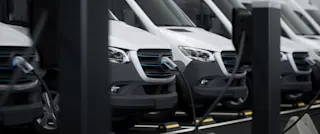

The conversation around electric vehicles has shifted. A few years ago, buying an EV was a lifestyle statement; today, with petrol prices in Sydney hitting $2.36/L for regular unleaded and diesel reaching over $3/L, it has become a cold, hard calculation. Australians are craning their necks at service station price boards and wondering if the grass really is greener (and cheaper) on the electric side of the fence.
At Carma, we’re all about looking past the hype to see what hits your wallet. So, does switching from a traditional Internal Combustion Engine (ICE) vehicle to an electric vehicle actually put money back in your pocket, or are the savings swallowed up by hidden costs? Let’s crunch the numbers on the 2026 landscape.
This is the heavy hitter. If you are looking for the most immediate impact on your weekly budget, the gap between petrol prices and electricity costs has never been wider.
The average Australian commuter driving a mid-sized petrol SUV is currently spending roughly $60 to $80 a week on fuel. Charging an EV at home can cost as little as $7.30 per week, based on real-world data from charger manufacturer Evnex, analysing usage across thousands of Australian households. That’s barely more than the price of a coffee and croissant.
Over a full year, switching to an EV could save the average commuter at least $2,800 in fuel alone. Recent analysis from the NRMA’s running cost calculator suggests that if petrol spikes toward $3.00/L, those annual savings could soar to over $4,600! For families running two cars, the "fuel" bill for an EV starts to look like pocket change.
One of the most satisfying parts of EV ownership is the "missing" list. When you take an EV in for a service, there are no spark plugs to replace, no timing chains to worry about, and no fuel injectors to clog. These components simply don't exist in an electric vehicle.
The mechanical simplicity leads to naturally lower maintenance costs. Furthermore, because EVs use regenerative braking (using the motor to slow the car down), the physical brake pads and rotors experience significantly less wear. It isn’t uncommon for EV brake pads to last twice as long as those on a traditional petrol car. While you still need to check tyres, cabin filters, and suspension, the expensive engine repairs that plague older petrol cars are off the table. As we've noted in our guide to common car problems, avoiding these mechanical headaches is a major win for your peace of mind and your wallet.
It isn't all sunshine and cheap charging, though. In 2026, we’ve seen a localised insurance hike that has caught some owners off guard. Insurance premiums for certain models, particularly Teslas, have risen significantly, with some EV premiums jumping by as much as 46% at certain budget providers.
Why the jump? Modern EVs often use massive, single-piece cast frames to reduce manufacturing costs. However, if you are in a moderate accident, these frames are incredibly expensive to repair compared to a traditional steel chassis. Additionally, because many specialised components are still imported, repair timelines can stretch into months, leading to longer (and costlier) hire car periods for insurers.
If you’ve been browsing for a used car lately, you might have noticed something shocking: 3-year-old EVs are suddenly incredibly affordable. Three specific 2026 factors have created this for buyers:
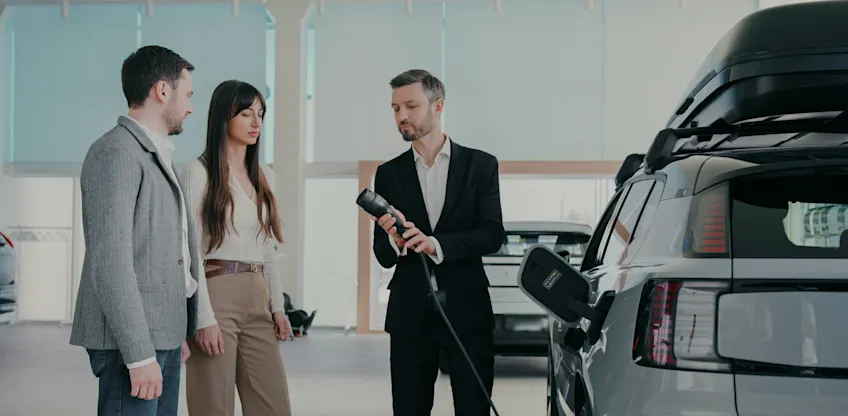
You might want to consider an EV if:
You might want to stick with a hybrid or petrol if:
In 2026, an EV absolutely saves you money on a day-to-day basis, but you have to be smart about the total cost of ownership. The fuel savings are massive, but you need to factor in insurance and the current volatility in resale values.
If you’re ready to stop stressing about petrol prices and start enjoying a quieter commute, there has never been a better time to browse. Check out our range of EVs at Carma and see how much you could be saving.
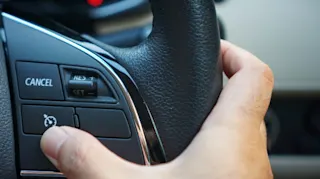
Cruise control can save 7–14% fuel on a flat highway. On a hilly road, it can cost you more. Here's when to use it and when to turn it off.
The documents you need when selling a car with finance owing in Australia: payout letters, PPSR discharge, finance agreements, and what to hand over at settlement.
We’ve won and been finalists for awards in recognition of our efforts to provide the best care and innovation to our customers.


^ Estimated repayment calculation based on an average rate calculated across all fixed P&I used car loans offered by Carma preferred financiers to eligible applicants purchasing a vehicle aged 0-7 years from build date. The interest rates displayed are guides only and does not reflect an offer for any particular product or your situation and does not imply credit is available to you at this rate. Repayments as a result of this simulation can vary based on your personal circumstances including your credit worthiness. Final rate and all applications subject to financier approval. Fees and charges apply. The direct debit frequency options available from financiers may differ.
†within Greater Sydney
NSW Motor Dealer’s Licence: MD087139 • NSW Motor Vehicle Repairer: MVRL59465
© 2026 Carma
Cars worth knowing about. Tips and news worth reading. All direct to your inbox.