•
•
•
•
•
•
Honoured to be recognised
We’ve won and been finalists for awards in recognition of our efforts to provide the best care and innovation to our customers.
•
•
•
•
•
•
•
•
•
•
•
•
(58 results)
The used electric car market in Australia has grown substantially as the first and second waves of EV buyers move on to newer models. The best used electric cars Australia now has available span a meaningful range of budgets, body styles, and battery sizes, giving buyers options that simply did not exist a few years ago. Buying a used electric car gives access to the technology at a lower entry cost than the new-car equivalent, while the fundamental running cost advantages of electric driving, including lower fuel costs and reduced servicing requirements, remain fully available. For buyers who are considering an electric car for the first time, a used EV is an increasingly practical way to trial the technology without the full new-car outlay.
Battery health is the central question for any used electric car purchase, and it is worth understanding clearly before shopping. EV batteries degrade slowly over time and charge cycles; they do not suddenly fail, and a well-maintained battery that has lost a modest percentage of its original capacity will still deliver the majority of its original range. Most mainstream EV manufacturers build their battery management systems to limit the conditions that cause accelerated degradation, which produces more consistent long-term performance than uninformed buyers often expect.
The relevant metric is state of health (SoH), which expresses a battery's current capacity as a percentage of its original capacity. A battery at 90% SoH delivers approximately 90% of the original range. Many EVs display this figure in their settings menus or through compatible third-party tools. Buyers should check SoH data where it is available for the specific model they are considering and understand what it means for their expected daily driving range.
Most major EV manufacturers offer a battery warranty of approximately 8 years or around 160,000 kilometres, whichever comes first, with the warranty covering the battery down to a minimum capacity threshold (typically 70% of original capacity). This is a key advantage of the best used electric cars Australia's major manufacturers produce: the battery warranty transfers to subsequent owners for the remainder of the coverage period, providing meaningful protection for used buyers who purchase within that window. For used EVs still within this period, the remaining warranty coverage is a meaningful purchase consideration. Where the original warranty has expired, extended coverage options can provide a further layer of financial protection.
The used Tesla Model 3 is the most established used EV in the Australian market. As the first Tesla model to reach volume in Australia, the Model 3 has built a large used pool with a range of model years and specifications available. Over-the-air software updates mean used Model 3 examples can receive functionality improvements after purchase. Range varies by variant and battery size, and buyers should confirm the specific variant's real-world range for their use case.
The used Tesla Model Y extends the Model 3 platform into a more practical SUV body. It provides more interior height, a larger boot, and optional seven-seat configuration alongside Tesla's software ecosystem and fast-charging network. Used Model Y examples sit at a higher price point than the Model 3 but offer the most practical EV package available in the used bracket for family buyers.
The used Hyundai IONIQ 5 brought a distinctive platform-first design to the Australian EV market. Its 800-volt architecture enables very fast DC charging speeds, and its spacious interior on the dedicated EV platform provides more cabin room than external dimensions suggest. The IONIQ 5 has been well-received in Australia and its used market presence reflects a genuine following among buyers who want a non-Tesla alternative.
The used Kia EV6 shares the IONIQ 5's underlying 800-volt platform with a different, more fastback-oriented body style. It suits buyers who want the fast-charging capability and platform efficiency of the Hyundai platform in a sportier-looking package. The EV6 GT variant offers performance figures that make it competitive with performance-orientated buyers looking for something beyond the family-use brief.
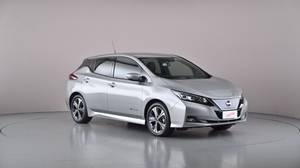
The used Nissan LEAF is the most accessible entry point into used EV ownership in Australia. As an early-market EV, the LEAF has the longest track record, and buyers considering earlier generations should pay particular attention to battery health data, as older LEAF batteries used a less sophisticated thermal management system than later models and contemporary competition. Newer LEAF variants from the second-generation model forward addressed thermal management improvements. The LEAF suits buyers who have shorter daily ranges and can charge at home overnight.
The used BYD Atto 3 represents the Chinese brand's mainstream entry into the Australian market, and used examples have now accumulated to provide a realistic buying option for budget-conscious EV buyers. The Atto 3's blade battery technology is designed for long cycle life, and its feature specification at its used price point is generally strong compared to alternatives at a similar price.
Home charging is the foundation of practical EV ownership for most buyers. A standard 240V household power point is sufficient to charge most EVs overnight for typical daily use, adding approximately 10 to 15 kilometres of range per hour of charging depending on the vehicle's on-board charger capacity. This is adequate for buyers whose daily driving is within a predictable range.
A Level 2 home wallbox charger increases the charging rate substantially, typically to 50 to 100 kilometres of range per hour depending on the vehicle and charger specification. For buyers with longer daily commutes or irregular schedules who need to recover more range in a shorter window, a wallbox installation is the most practical upgrade. Electrician installation is required and costs vary by home configuration.
DC fast charging at public stations provides the most rapid recharge, typically adding 100 to 200 or more kilometres of range in 30 to 45 minutes on vehicles with fast-charging capability. The 800-volt architectures in vehicles like the IONIQ 5 and EV6 are capable of particularly fast DC charging speeds. Buyers who frequently travel distances beyond their daily range should confirm the fast-charging compatibility and speed of any specific vehicle they are considering.
Published range figures for EVs are generated under controlled test conditions and will typically exceed what a buyer achieves in real-world use. Real-world range in Australian conditions is influenced by speed, air conditioning and heating load, topography, load weight, and tyre condition. Highway driving at 110km/h consumes energy significantly faster than urban driving and reduces range from published figures substantially.
Buyers should calculate their real-world range needs based on their heaviest actual daily use, add a practical buffer, and confirm that the used EV they are considering meets that combined requirement before purchase.
Check the battery state of health data for any vehicle where it is accessible. Confirm no battery or charging system warning lights are present. Test the charging port, covering both AC charging via the vehicle's standard cable and DC fast charging where available. Confirm that the in-car software and navigation system are up to date, or check whether over-the-air updates are available for the model. Inspect the tyres carefully, as the higher torque of electric motors can cause uneven or accelerated tyre wear if the vehicle has been driven aggressively. Carma's car finance confirmed before your search keeps your total purchase budget concrete, including any charger installation costs you are factoring in alongside the vehicle price.
How do I check the battery health of a used electric car?
Battery health in a used EV can be checked through the vehicle's own settings menu (where available), through compatible third-party diagnostic tools specific to the model, or via a dealer or specialist inspection. The relevant figure is state of health (SoH), expressed as a percentage of the battery's original capacity. A battery at 85% SoH delivers approximately 85% of the new-car range. Most manufacturers' battery warranties remain active down to a minimum capacity threshold, so buyers within warranty should confirm that threshold against the battery's current SoH.
Do EV batteries degrade quickly?
EV battery degradation is typically gradual and predictable rather than sudden. Most mainstream EV batteries lose a modest percentage of capacity in the first year and then slow significantly in subsequent years. High-voltage charging, high ambient temperatures, and consistently charging to 100% accelerate degradation, while moderate charging practices and sensible temperature management slow it. The battery management systems in modern EVs are designed to limit the conditions that cause the most significant degradation.
What charging equipment do I need for a used EV at home?
At minimum, a standard 240V power point connected via the EV's supplied portable charging cable is sufficient for overnight charging for most daily use profiles. A dedicated Level 2 wallbox charger, installed by a licensed electrician, increases charging speed significantly and is the recommended setup for buyers who need to recover more range in shorter overnight windows. Home charging installation costs vary and should be factored into the overall purchase budget.
How do used EV running costs compare to a petrol car?
Used EV running costs are typically lower than petrol equivalents in three main areas: fuel (electricity versus petrol), scheduled maintenance (EVs have fewer serviceable mechanical components: no oil changes, no timing belt, simpler drivetrain), and braking (regenerative braking reduces friction brake wear). The extent of the saving depends on local electricity tariffs, daily driving distance, and whether home charging is used versus public charging. Buyers who can charge predominantly at home on overnight tariffs see the largest fuel cost savings.
Is it worth buying a used EV over a used hybrid?
A used EV suits buyers who can charge at home reliably and whose daily driving is within the vehicle's real-world range. A used hybrid car or a used plug-in hybrid suits buyers who cannot charge at home, who regularly travel distances that would require planning around charging infrastructure, or who want reduced running costs without the infrastructure dependency of a full EV. The decision is primarily about how the vehicle will be charged and whether the buyer's driving patterns are compatible with an EV's range and charging characteristics.
Which are the best used electric cars Australia has available for real-world range?
The best used electric cars Australia buyers will find for range vary by driving conditions and cannot be reduced to a single recommendation across all use cases. Among commonly available options, Tesla models, the Hyundai IONIQ 5 Long Range, and the Kia EV6 Long Range are among the higher-range used EVs available. Earlier Nissan LEAF examples have lower range figures that are acceptable for urban use but may constrain longer journeys. Buyers should calculate their peak daily driving need, add a 20 to 30 per cent buffer, and confirm the specific used variant they are considering meets that combined figure under realistic conditions.
Every used electric car at Carma goes through our NRMA-verified inspection and reconditioning process before it reaches the listing. If you are selling a current petrol or hybrid car to fund the switch, find out what your car is worth before committing to your next purchase. If you are comparing EV against other powertrain types before deciding, browse Carma's used car range across all categories.
Cars worth knowing about. Tips and news worth reading. All direct to your inbox.
We’ve won and been finalists for awards in recognition of our efforts to provide the best care and innovation to our customers.


^ Estimated repayment calculation based on an average rate calculated across all fixed P&I used car loans offered by Carma preferred financiers to eligible applicants purchasing a vehicle aged 0-7 years from build date. The interest rates displayed are guides only and does not reflect an offer for any particular product or your situation and does not imply credit is available to you at this rate. Repayments as a result of this simulation can vary based on your personal circumstances including your credit worthiness. Final rate and all applications subject to financier approval. Fees and charges apply. The direct debit frequency options available from financiers may differ.
†within Greater Sydney
NSW Motor Dealer’s Licence: MD087139 • NSW Motor Vehicle Repairer: MVRL59465
© 2026 Carma

Set up an alert for your chosen filters and we will send an email when new inventory arrives.
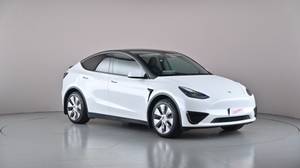
2022 Tesla Model Y
REAR-WHEEL DRIVE
38,094 km • Automatic
$38,990
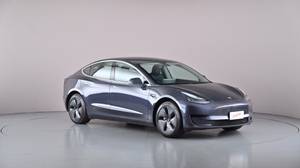
2019 Tesla Model 3
STANDARD RANGE PLUS
21,739 km • Automatic
$30,990
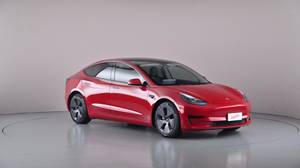
2023 Tesla Model 3
REAR-WHEEL DRIVE
59,309 km • Automatic
$37,990
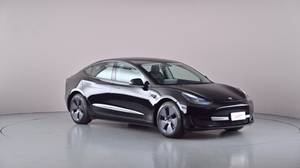
2023 Tesla Model 3
REAR-WHEEL DRIVE
39,777 km • Automatic
$37,690
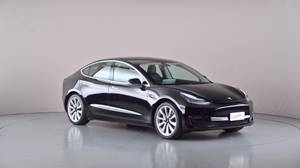
2020 Tesla Model 3
LONG RANGE AWD
49,669 km • Automatic
$33,590

2023 Tesla Model 3
LONG RANGE
36,641 km • Automatic
$44,190
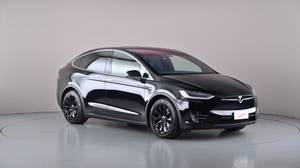
2019 Tesla Model X
75D
113,413 km • Automatic
$43,990
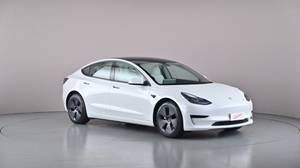
2022 Tesla Model 3
REAR-WHEEL DRIVE
31,621 km • Automatic
$35,990
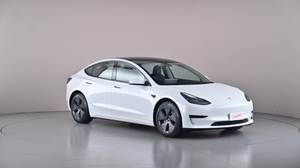
2022 Tesla Model 3
REAR-WHEEL DRIVE
32,112 km • Automatic
$34,990
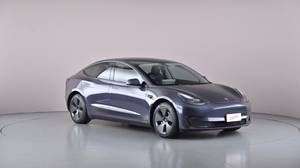
2023 Tesla Model 3
LONG RANGE
48,221 km • Automatic
$42,990
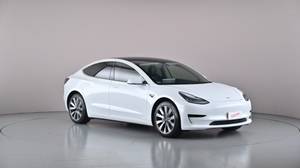
2019 Tesla Model 3
STANDARD RANGE PLUS
30,616 km • Automatic
$29,990
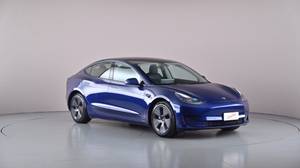
2023 Tesla Model 3
REAR-WHEEL DRIVE
36,729 km • Automatic
$38,990
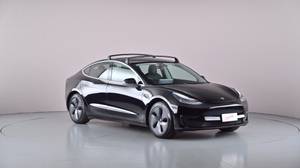
2019 Tesla Model 3
PERFORMANCE
45,017 km • Automatic
$32,990
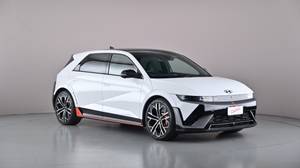
2023 Hyundai IONIQ 5
N (84.0kWh)
11,724 km • Automatic
$78,990
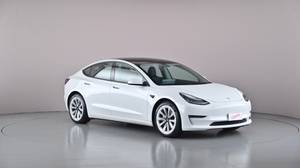
2020 Tesla Model 3
LONG RANGE AWD
77,863 km • Automatic
$32,790
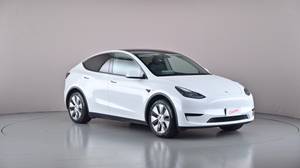
2023 Tesla Model Y
REAR-WHEEL DRIVE
27,142 km • Automatic
$42,990
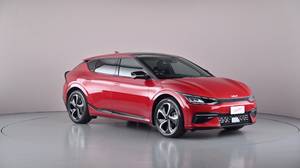
2021 Kia EV6
GT-LINE AWD (WITH SUNROOF)
78,586 km • Automatic
$40,190
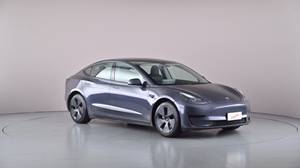
2021 Tesla Model 3
STANDARD RANGE PLUS RWD
91,867 km • Automatic
$29,990
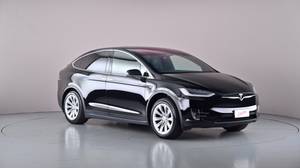
2019 Tesla Model X
LONG RANGE
53,160 km • Automatic
$62,990
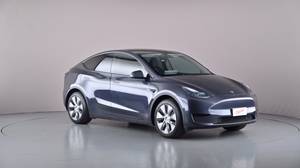
2023 Tesla Model Y
REAR-WHEEL DRIVE
65,085 km • Automatic
$39,990
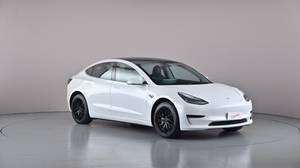
2019 Tesla Model 3
STANDARD RANGE PLUS
112,800 km • Automatic
$24,990
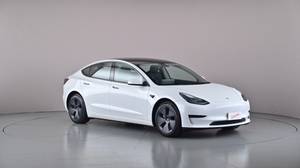
2023 Tesla Model 3
REAR-WHEEL DRIVE
82,982 km • Automatic
$33,290
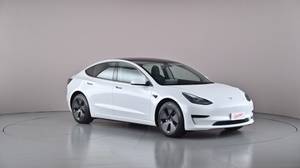
2022 Tesla Model 3
REAR-WHEEL DRIVE
9,800 km • Automatic
$38,590
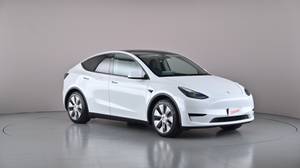
2023 Tesla Model Y
REAR-WHEEL DRIVE
46,844 km • Automatic
$39,990
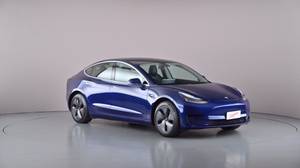
2019 Tesla Model 3
STANDARD RANGE PLUS
36,398 km • Automatic
$30,690
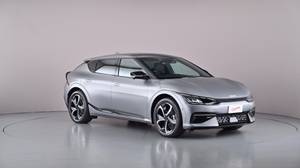
2022 Kia EV6
GT-LINE AWD (WITH SUNROOF)
25,780 km • Automatic
$47,390
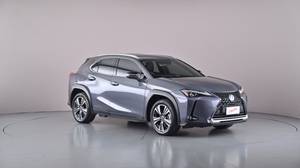
2021 Lexus UX300e
SPORTS LUXURY
80,694 km • Automatic
$33,190
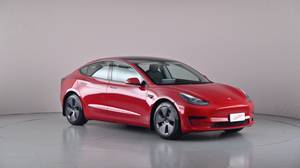
2022 Tesla Model 3
REAR-WHEEL DRIVE
59,474 km • Automatic
$34,090
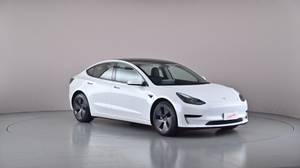
2022 Tesla Model 3
REAR-WHEEL DRIVE
34,098 km • Automatic
$36,090