Does cruise control actually save fuel?
Cruise control can save 7–14% fuel on a flat highway. On a hilly road, it can cost you more. Here's when to use it and when to turn it off.


Australian winters might not look dramatic, but they do a quiet number on your car. Temperatures drop overnight, moisture builds up, tyres lose pressure, and batteries that have been borderline for months finally give up the ghost at 7am on a Tuesday. These are the winter car mistakes most people make without realising, and what to do instead.
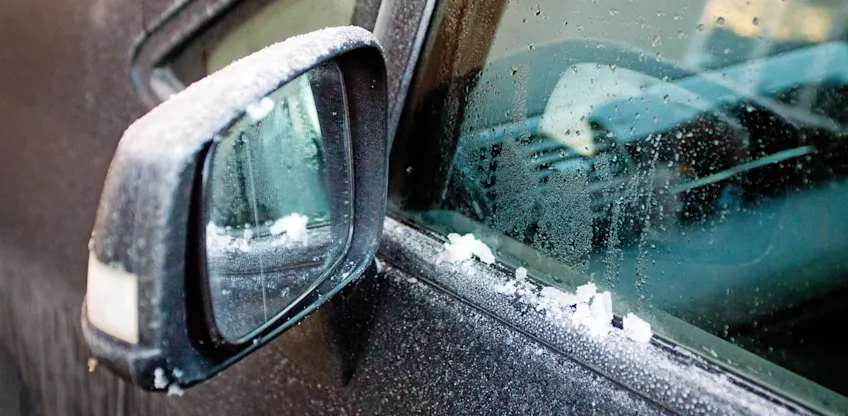
The urge to get moving is understandable. Standing in the cold while your car slowly clears is not a fun way to start the morning. But driving with a fogged or frosted windscreen is one of the most common winter car mistakes for a reason: it seems fine until it isn't.
The fix is simple. Crank the defrost setting, not just the heater. Your air conditioning compressor helps remove moisture from the air, which clears the screen faster than heat alone. If your car has a rear demister button, use it. Give it two or three minutes. The inconvenience is nothing compared to what a fogged-up windscreen can cause on a wet, cold road.
Most people know tyre pressure matters. What most people overlook is that cold air contracts, which means tyre pressure drops as temperatures fall. For roughly every 10 degrees Celsius of temperature drop, tyres lose 1 to 2 PSI. Across a set of four tyres, that adds up to noticeably underinflated rubber by mid-winter.
Underinflated tyres affect handling, increase braking distances, and wear unevenly. It doesn't matter whether you're driving a used Ford or a European SUV. Cold air affects tyre pressure all the same. Checking all four tyres takes about three minutes at any petrol station. Do it at the start of winter, and again after any prolonged cold snap.
The washer reservoir is easy to ignore until you desperately need it. That moment usually arrives on a wet motorway when a truck covers your windscreen in grime and you hit the stalk to find nothing happens.
Worse than an empty reservoir is one filled with plain water. It goes stagnant, doesn't clean properly, and in colder climates can freeze overnight in the lines. Use a proper washer fluid concentrate. It mixes with water, cuts through road film and insect residue, and costs next to nothing at any service station or auto shop.
Cold mornings are a battery's final exam. A battery that's been struggling through summer and autumn will hold on just long enough, then fail the moment temperatures drop properly. Here's the thing: cold weather reduces a battery's ability to produce current at exactly the time your engine needs more cranking power to start.
Most car batteries last three to five years. If yours is in that range and hasn't been tested recently, a free battery test at any auto parts store takes minutes and could save a much worse morning. This applies to every car on the road, from a used Hyundai Tucson to a used Subaru Outback to a hatchback that's done well over 100,000km. It's also worth knowing that Carma checks battery health as part of the Carma standard before any used car is listed, so you're not inheriting someone else's winter problem.
It seems logical. Frost on the glass, boiling water in the kettle, problem solved. Except boiling water hitting cold glass creates rapid, uneven thermal expansion. The result can be a cracked windscreen, which is considerably more expensive to deal with than a frosted one.
Use a proper ice scraper if you have one. If you don't, use your car's defrost setting and wait. A lukewarm damp cloth can help in a pinch. Boiling water should stay well away from glass that's been sitting in near-zero temperatures overnight.
The "I'll fill up tomorrow" habit gets people into trouble in winter more than any other time of year. The obvious risk is getting stranded in colder, less forgiving conditions. The less obvious one: when a fuel tank sits low regularly, temperature changes cause condensation to form in the empty space above the fuel. Over time, that moisture can find its way into the fuel system.
This isn't something to stress over in most parts of Australia, but keeping the tank above a quarter full in winter is a simple habit. It also means fewer panic stops at motorway service stations in the dark.
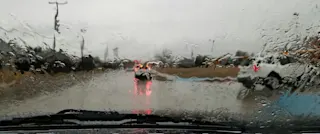
Wiper blades and winter rain are a combination that quickly reveals how long most people have been ignoring theirs. Standard blades last around 12 to 18 months. After that, they smear, skip, and streak across the screen rather than actually clearing it. Most drivers only discover this when they're stuck in heavy rain and realise the wipers are making things worse, not better.
New blades are cheap and take about five minutes to fit. Check them at the start of the season. If they're leaving lines or chattering across the glass, swap them before you need them in an emergency.
Avoiding these winter car mistakes doesn't take much effort. They're small habits that add up to a car that handles the season properly, rather than one that causes unnecessary stress on a cold morning.
If you're shopping for a used car that's already had the fundamentals looked after, browse used cars at Carma. Every Carma car goes through a rigorous inspection and reconditioning process that's verified by the NRMA before it goes online.
The documents you need when selling a car with finance owing in Australia: payout letters, PPSR discharge, finance agreements, and what to hand over at settlement.
Not all trim upgrades are worth paying for. Here's which features justify the premium, which ones don't, and how to think about it on a used car.
We’ve won and been finalists for awards in recognition of our efforts to provide the best care and innovation to our customers.


^ Estimated repayment calculation based on an average rate calculated across all fixed P&I used car loans offered by Carma preferred financiers to eligible applicants purchasing a vehicle aged 0-7 years from build date. The interest rates displayed are guides only and does not reflect an offer for any particular product or your situation and does not imply credit is available to you at this rate. Repayments as a result of this simulation can vary based on your personal circumstances including your credit worthiness. Final rate and all applications subject to financier approval. Fees and charges apply. The direct debit frequency options available from financiers may differ.
†within Greater Sydney
NSW Motor Dealer’s Licence: MD087139 • NSW Motor Vehicle Repairer: MVRL59465
© 2026 Carma