
8 common mistakes to avoid when selling your car
The 8 most common mistakes when selling your car privately in Australia — from overpricing to the Notice of Disposal most sellers forget to lodge.



Most private used car listings go stale not because the car itself is the problem, but because the listing is. Buyers have more choice than ever and less patience for listings that don't give them what they need to act quickly. If your car has been sitting on the market longer than it should, one of these seven reasons is almost certainly the cause.
This is the most common reason, and the one sellers are most reluctant to accept. Buyers in the current market are well-informed. They're comparing your car against similar listings in real time. If yours is priced higher than comparable cars in comparable condition, most buyers won't even enquire.
Check what similar cars are actually selling for, not what sellers are asking. Asking prices and selling prices are often different, and pricing against asking prices leads to overestimation. An independent valuation using current market data is the most reliable way to set a number that generates enquiries rather than silence.
After price, photos are the biggest factor in whether a buyer clicks through to your listing or keeps scrolling. Blurry photos, badly lit interiors, images taken in a crowded car park, a single exterior shot with no interior coverage. Any of these will cost you enquiries, even from buyers who would otherwise be interested.
Fix it by reshooting on an overcast day with the car clean. Cover all angles, including the interior, boot, and under the bonnet. Good photos communicate that the car has been looked after. Bad photos communicate that either the car or the seller hasn't put in the effort.
Buyers want specifics: the service history, recent work, how many owners, condition notes, any known issues. A listing that says "great car, well maintained, must sell" tells the buyer almost nothing and invites speculation about what's being hidden.
Write a description that answers the questions a serious buyer would ask. Mention the service history status, any work done recently, and anything relevant about condition. Transparency in the description filters out time-wasters and builds trust with serious buyers before they even enquire.
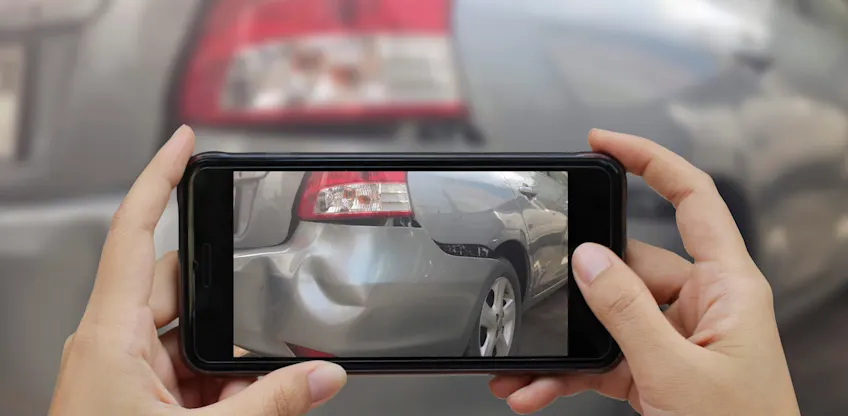
Stone chips, scuffed alloys, a cracked windscreen, worn seat bolsters. If these are visible in photos, buyers factor them into their mental offer price before they get in touch, or they use them as reasons to move on to a cleaner listing. In a well-supplied market, buyers have the luxury of being selective.
Address the small cosmetic issues you can fix cheaply before you list. Touch up chips, replace worn floor mats, clean thoroughly. A car that looks unloved in photos will attract buyers who are looking for a bargain, not buyers willing to pay a fair price. Save the money you'd spend on expensive repairs for an honest asking price reduction instead.
Some cars take longer to sell in certain conditions. A used Hyundai Santa Fe or similar family SUV tends to sell well year-round. A convertible or sports car moves faster in spring and summer than in winter. A ute with high mileage will sit longer in a market flush with low-mileage alternatives.
This doesn't mean the car is unsellable. It means the price needs to reflect the current market conditions. If your car is slow to move due to market timing, a price adjustment is often more effective than waiting.
A listing that's been active for weeks with no changes starts to look like a problem car. Buyers see the days-active counter and draw conclusions, often unfair ones, about why it hasn't sold. There's a psychology to this that works against you the longer the listing sits. A relisted or refreshed listing with new photos and a revised description can reset that perception and attract buyers who didn't see the original version.
If your listing has been active for more than 4 weeks without a serious enquiry, it needs a significant change. Refreshed photos, a revised description, or a price adjustment (ideally all three) can restart momentum.
Buyers are cautious. If your listing doesn't mention service history and they have to ask, some won't bother. If there's finance owing and you haven't addressed it in the listing, serious buyers may assume the sale will be complicated and choose a simpler option.
Address documentation upfront. Mention the service history status (full, partial, or absent), whether any known work is needed, and whether finance exists and how it will be handled. A seller who is transparent about the facts is far easier to deal with than one who reveals issues gradually. Buyers who feel they're being kept in the dark at the enquiry stage will assume there's more being hidden once they get to inspection, and many will pull out before they get there.
If after reading this you'd rather skip the listing process entirely, sell your car to Carma. You get a competitive market-backed offer without the usual private sale hassles, and without any of the seven reasons on this list getting in the way.
Cruise control can save 7–14% fuel on a flat highway. On a hilly road, it can cost you more. Here's when to use it and when to turn it off.
The documents you need when selling a car with finance owing in Australia: payout letters, PPSR discharge, finance agreements, and what to hand over at settlement.
We’ve won and been finalists for awards in recognition of our efforts to provide the best care and innovation to our customers.


^ Estimated repayment calculation based on an average rate calculated across all fixed P&I used car loans offered by Carma preferred financiers to eligible applicants purchasing a vehicle aged 0-7 years from build date. The interest rates displayed are guides only and does not reflect an offer for any particular product or your situation and does not imply credit is available to you at this rate. Repayments as a result of this simulation can vary based on your personal circumstances including your credit worthiness. Final rate and all applications subject to financier approval. Fees and charges apply. The direct debit frequency options available from financiers may differ.
†within Greater Sydney
NSW Motor Dealer’s Licence: MD087139 • NSW Motor Vehicle Repairer: MVRL59465
© 2026 Carma
Cars worth knowing about. Tips and news worth reading. All direct to your inbox.