•
•
•
•
•
•
Honoured to be recognised
We’ve won and been finalists for awards in recognition of our efforts to provide the best care and innovation to our customers.
•
•
•
•
•
•
•
•
•
•
•
•
(4 results)
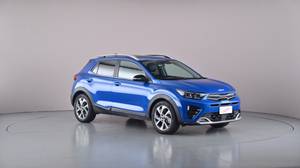
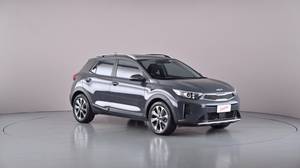
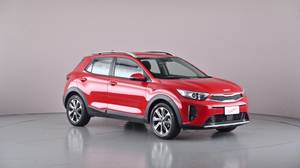
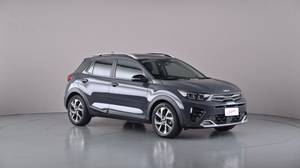
The Kia Stonic is a compact city crossover that occupies a specific niche in the Australian used car market: the raised ride height and visual presence of an SUV in a package compact enough for urban environments where space is a genuine constraint. A used Kia Stonic suits buyers who want more presence than a standard hatchback without the footprint or running costs of a larger small SUV, at used prices that reflect its compact positioning in the market.
The Stonic sits below the Seltos in Kia's local lineup and competes most directly with the used Hyundai Venue, with which it shares corporate architecture but takes a different visual direction. The Venue has a more upright, box-like profile; the Stonic's coupe-influenced roofline gives it a more styled appearance that appeals to buyers who want something distinctive at a compact size. Both cover the same brief, and the decision usually comes down to which design language suits the buyer.
Buyers comparing the Stonic against the used Mazda CX-3 will find the Mazda leads on interior quality and driving refinement, but typically at a higher used price. The Stonic offers a more accessible entry into the compact crossover category with competitive standard specification, making the comparison largely one of budget versus interior finish rather than fundamental capability.
The Stonic was offered in Australia with two engine options across the original generation range. The S and Sport grades use a 1.4-litre naturally aspirated four-cylinder producing 74kW and 133Nm, paired with a six-speed manual or six-speed automatic. The GT-Line uses a 1.0-litre three-cylinder turbo producing 74kW and 172Nm, with that torque arriving lower in the rev range and paired with a seven-speed dual-clutch auto. Neither engine is a hybrid, so buyers who prioritise fuel efficiency above all else should also compare the used Toyota Yaris Cross, which delivers hybrid efficiency in a similarly compact package.
The Stonic arrived in Australia from January 2021 with a three-grade range covering S, Sport, and GT-Line variants. The S and Sport share the 1.4-litre four-cylinder engine; the GT-Line is the performance-oriented option with the 1.0-litre turbo. This original generation ran through to 2025, when a substantially updated 2026 model arrived with revised styling and a mild-hybrid system. Most used Stonic examples on the market are pre-facelift original-generation cars, which sit in a narrow age band meaning most share a similar feature and technology level.
Buyers exploring the compact crossover space at a similar size and price should also consider the used Suzuki Vitara, which has a longer Australian sales history, a broader used-market supply, and offers optional all-wheel drive on some variants that the front-wheel-drive-only Stonic cannot match. The Vitara has a different character and a more established presence in the segment; the Stonic is the more recent design with a stronger visual identity.
The transmission check differs by variant. GT-Line models use the 7-speed dual-clutch auto: at low speed it should engage cleanly without shudder or hesitation during pull-away, which are signs of clutch wear or deferred DCT fluid servicing on urban-use examples. Ask specifically about DCT fluid service history, as this interval is often overlooked in standard service schedules. S and Sport models use a conventional 6-speed automatic, which is a less demanding unit; check for smooth, clean shifts through the range without any flaring or slipping.
On GT-Line examples, the 1.0-litre three-cylinder produces some inherent vibration at idle that is normal for this engine format. What to listen for is unusual roughness or hesitation under load, which points beyond the expected three-cylinder character. On S and Sport, the 1.4-litre four-cylinder is a straightforward unit unlikely to present specific concerns on well-serviced examples. Across all variants, check the infotainment and connectivity functions fully, particularly on earlier builds where software updates may be outstanding. Carma's car finance confirmed before you start searching gives you a clear ceiling rather than an estimate, so the numbers stay settled while you compare cars.
Is the Kia Stonic still available new in Australia?
The Kia Stonic continues to be sold new in Australia. The original generation ran from January 2021 and was joined in late 2025 by a significantly updated 2026 model featuring revised styling and a mild-hybrid drivetrain. Used Stonic examples on the market are predominantly original-generation pre-facelift cars, representing a practical buying window into a well-priced compact crossover before the newer model's pricing filters through to the used market.
What engines does the Kia Stonic have?
The Kia Stonic in Australia was offered with two petrol engines in the original generation. The S and Sport grades use a 1.4-litre naturally aspirated four-cylinder (74kW/133Nm) with a six-speed automatic or manual. The GT-Line uses a 1.0-litre three-cylinder turbo (74kW/172Nm) with a seven-speed dual-clutch automatic; while peak power is identical to the 1.4, the turbocharged unit produces its torque much lower in the rev range, making it the more responsive choice for city driving. The 2026 facelift introduced a mild-hybrid system, so buyers considering new examples should check the current specification.
Is the Kia Stonic good for city driving?
The Kia Stonic is well-suited to city driving. Its compact footprint makes it easier to manoeuvre in narrow streets and tight car parks than most small SUVs, and all automatic variants remove the need for manual gear changes in heavy stop-start traffic. The 1.0-litre turbocharged engine delivers sufficient performance for urban conditions, and the raised ride height provides better sightlines without the bulk of a larger crossover.
Does the Kia Stonic have all-wheel drive?
The Kia Stonic available in Australia was offered in front-wheel drive only. There is no AWD variant in the Australian market. Buyers who specifically require all-wheel drive capability should consider alternatives from the compact crossover segment that offer it as a standard or optional feature, as the Stonic does not provide this in any Australian specification.
What are the alternatives to the used Kia Stonic?
The used MG ZST offers strong standard equipment at competitive used pricing and is worth a comparison for buyers prioritising specification for the budget. The used Mitsubishi ASX has a longer Australian sales history and broader service network coverage at a comparable compact crossover size and price point. Each takes a distinct approach to the segment brief, so comparing specific used examples at a common price point is the most useful way to distinguish them.
What should I check when buying a used Kia Stonic?
On GT-Line models, assess the dual-clutch transmission at low speed for smooth, clean engagement without shudder or hesitation; request DCT fluid service history specifically. On S and Sport models with the conventional automatic, check for smooth shifts through the range without flaring or slipping. Test the infotainment system and connected device functions fully on each example, particularly on earlier builds where software updates may be outstanding. Check tyre condition and age, as compact city cars can carry older tyres at lower-than-expected kilometres. Inspect bodywork and lower panels for minor parking damage, which is common on urban-use vehicles that have spent time in confined spaces.
Every used Kia Stonic at Carma goes through our NRMA-verified inspection and reconditioning process before it reaches the listing. Browse the full used Kia range to compare across the lineup, or explore the wider used small SUV category to weigh up all your options. If you have a current car to sell before you upgrade, find out what it's worth first.
Cars worth knowing about. Tips and news worth reading. All direct to your inbox.
We’ve won and been finalists for awards in recognition of our efforts to provide the best care and innovation to our customers.


^ Estimated repayment calculation based on an average rate calculated across all fixed P&I used car loans offered by Carma preferred financiers to eligible applicants purchasing a vehicle aged 0-7 years from build date. The interest rates displayed are guides only and does not reflect an offer for any particular product or your situation and does not imply credit is available to you at this rate. Repayments as a result of this simulation can vary based on your personal circumstances including your credit worthiness. Final rate and all applications subject to financier approval. Fees and charges apply. The direct debit frequency options available from financiers may differ.
†within Greater Sydney
NSW Motor Dealer’s Licence: MD087139 • NSW Motor Vehicle Repairer: MVRL59465
© 2026 Carma

Set up an alert for your chosen filters and we will send an email when new inventory arrives.