•
•
•
•
•
•
Honoured to be recognised
We’ve won and been finalists for awards in recognition of our efforts to provide the best care and innovation to our customers.
•
•
•
•
•
•
•
•
•
•
•
•
(13 results)
The Mazda CX-3 has been part of Australia's small SUV landscape since March 2015, a compact crossover with a driving character that consistently sets it apart from the segment's practical-first alternatives. The used Mazda CX-3 suits buyers who prioritise how a car feels to drive every day over how much it can carry.
The CX-3's reputation rests on two things: driving engagement and interior quality above the price point its competitors operate at. Where most small SUVs in this bracket prioritise boot space and ease of operation over driver involvement, the CX-3 offers direct steering, a willing chassis, and a cabin finish that sits above what most buyers expect for the money.
Urban dimensions are the CX-3's other strength. At under 4.3 metres in length, it parallel parks where many crossovers won't fit, moves through city traffic with confidence, and suits buyers who want the raised seating position of a small SUV without the footprint of a mid-sizer.
Alternatives in the used small SUV space include the used Toyota C-HR, used Hyundai Kona, and used Nissan Juke. The CX-3 typically holds an advantage on driving feel and interior quality at comparable used pricing, though it concedes on rear passenger room and boot space to most of its rivals. Buyers who need a larger Mazda cabin can step up to the used Mazda CX-30 for more space and a more modern infotainment system, or the mid-size used Mazda CX-5 for a bigger step up. All DJ-series used Mazda CX-3 variants carry a 5-star ANCAP safety rating, tested in 2015.
The used Mazda CX-3 has been sold in Australia as a single DJ-series generation, with a meaningful facelift arriving for the 2019 model year.
Pre-facelift (2015 to 2018 model year)
The DJ series launched in March 2015 with four grades: Neo, Maxx, sTouring, and Akari. The 2.0-litre SkyActiv-G petrol engine produced 109 kW and 192 Nm, paired with a six-speed automatic or six-speed manual. Front-wheel drive was standard on entry grades; i-Activ AWD was available on sTouring and Akari. A 1.5-litre SkyActiv-D diesel (77 kW, 270 Nm) was offered on some grades in this period.
Post-facelift (2019 model year onward)
The 2019 facelift brought revised exterior styling, an updated interior, and a grade rename: Neo became Neo Sport, Maxx became Maxx Sport. The 2.0-litre petrol was refined to produce 110 kW and 195 Nm. The 1.5-litre diesel was replaced by a 1.8-litre SkyActiv-D producing 85 kW (torque unchanged at 270 Nm). Crucially, Apple CarPlay and Android Auto became standard across the post-facelift range, a meaningful upgrade over pre-facelift models where these were absent on most grades. The 2019 facelift is the most important specification divide on the used CX-3 market.
Service history is the starting point on any used Mazda CX-3. The SkyActiv petrol specifies shorter oil change intervals than many buyers realise, so a complete logbook is essential.
Establishing which side of the 2019 facelift a used CX-3 sits on is essential before purchase. Pre-facelift models do not support Apple CarPlay or Android Auto on most grades. If smartphone connectivity matters, confirm the build date and specification carefully, as this cannot be retrofitted after purchase.
AWD is not standard across all grades. Entry Neo and Maxx variants are front-wheel drive only, with i-Activ AWD available from sTouring upward. The i-Activ system is a fuel-economy-focused unit that distributes torque to the rear axle only when the system detects slip; it improves traction on wet or slippery sealed roads but is not designed for off-road use.
Rear passenger room and boot space on the CX-3 are genuinely compact at 264 litres with seats up. Neither is a manufacturing defect, but buyers regularly transporting rear-seat adults or bulky cargo should compare the CX-3's interior dimensions against alternatives before committing. Every used Mazda CX-3 at Carma goes through the NRMA-verified inspection and reconditioning process before listing, with all condition imperfections photographed and disclosed on the vehicle page.
What engine does the used Mazda CX-3 have?
The used Mazda CX-3 sold in Australia uses a 2.0-litre SkyActiv-G naturally aspirated petrol engine, producing 109 kW and 192 Nm on pre-2019 models and 110 kW and 195 Nm on post-facelift examples. A diesel option was also offered: a 1.5-litre SkyActiv-D (77 kW, 270 Nm) on pre-facelift models, replaced from the 2019 facelift by a 1.8-litre SkyActiv-D (85 kW, 270 Nm). Does the used Mazda CX-3 come in AWD?
AWD is available on sTouring and Akari grades of the used Mazda CX-3 across both pre and post-facelift examples. Neo and Maxx variants are front-wheel drive only. Mazda's i-Activ AWD system operates primarily in front-wheel drive, engaging the rear axle when wheel slip is detected. It improves wet-road and low-grip traction on sealed surfaces but is not suitable for off-road use. Buyers seeking AWD should confirm the grade before purchase.
What changed in the 2019 Mazda CX-3 facelift?
The 2019 model year facelift updated the CX-3's exterior styling, revised the interior and centre console, added Apple CarPlay and Android Auto as standard across the range, and replaced the 1.5-litre diesel with a 1.8-litre unit. The 2.0-litre petrol received a minor refinement from 109 kW to 110 kW. Grades were renamed: Neo became Neo Sport and Maxx became Maxx Sport, with sTouring and Akari unchanged. For buyers prioritising smartphone connectivity, 2019 model year and later examples are meaningfully better equipped.
How does the used Mazda CX-3 compare to the Mazda CX-30?
The used Mazda CX-30 is larger, more recent, and better equipped on most practical measures, with more rear headroom, a larger boot, and modern infotainment. The used Mazda CX-3 suits buyers seeking a smaller urban footprint and is typically available at a lower price point. For the full used small SUV range across makes, Carma has options at multiple price points.
What is the boot space of the used Mazda CX-3?
The used Mazda CX-3 has a boot capacity of 264 litres with the rear seats up, which is among the more compact in the used small SUV segment. Folding the rear seats expands capacity substantially, though the CX-3 is better suited to regular, lighter loads. Buyers frequently transporting large items may find the CX-30 or CX-5 a better practical fit.
Can I finance a used Mazda CX-3 through Carma?
Yes. Carma's car finance is available across all used Mazda CX-3 models on the platform. Applications are completed online, same-day approval is available, and checking eligibility has no impact on the applicant's credit score. The panel covers four lenders to suit a range of buyer profiles.
The used Mazda CX-3 earns its place on the small SUV shortlist through driving engagement and cabin quality rather than outright practicality. Buyers who spend most of their time in urban environments and value how a car feels to drive every day will find it a sharper, more rewarding choice than most of its used small SUV rivals. If you have a car to trade in, find out what it's worth before you commit.
Cars worth knowing about. Tips and news worth reading. All direct to your inbox.
We’ve won and been finalists for awards in recognition of our efforts to provide the best care and innovation to our customers.


^ Estimated repayment calculation based on an average rate calculated across all fixed P&I used car loans offered by Carma preferred financiers to eligible applicants purchasing a vehicle aged 0-7 years from build date. The interest rates displayed are guides only and does not reflect an offer for any particular product or your situation and does not imply credit is available to you at this rate. Repayments as a result of this simulation can vary based on your personal circumstances including your credit worthiness. Final rate and all applications subject to financier approval. Fees and charges apply. The direct debit frequency options available from financiers may differ.
†within Greater Sydney
NSW Motor Dealer’s Licence: MD087139 • NSW Motor Vehicle Repairer: MVRL59465
© 2026 Carma

Set up an alert for your chosen filters and we will send an email when new inventory arrives.
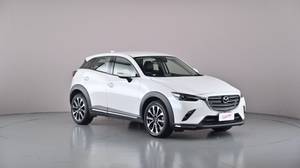
2021 Mazda CX-3
sTOURING (FWD)
53,090 km • Automatic
$23,990
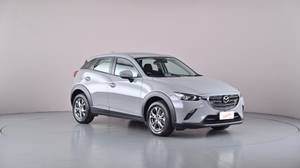
2024 Mazda CX-3
G20 SPORT
10,778 km • Automatic
$25,990
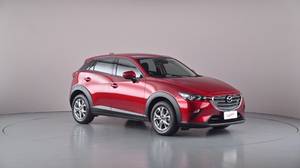
2019 Mazda CX-3
MAXX SPORT (FWD)
55,579 km • Automatic
$21,490
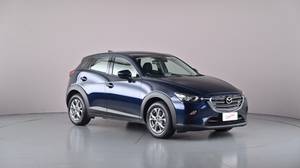
2022 Mazda CX-3
MAXX SPORT (AWD)
63,604 km • Automatic
$23,990

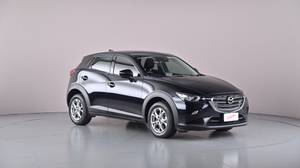
2022 Mazda CX-3
MAXX SPORT (FWD)
28,262 km • Automatic
$23,990
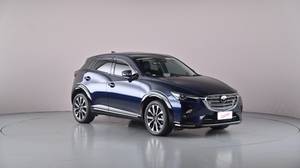
2022 Mazda CX-3
AKARI (FWD)
34,347 km • Automatic
$26,990
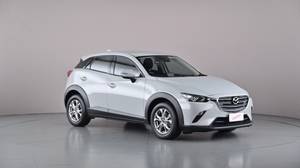
2023 Mazda CX-3
MAXX SPORT (FWD)
97,219 km • Automatic
$20,990
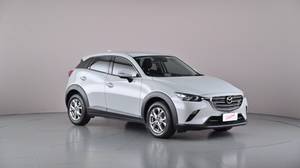
2019 Mazda CX-3
MAXX SPORT (FWD)
25,189 km • Automatic
$21,990

2018 Mazda CX-3
AKARI (FWD)
42,395 km • Automatic
$21,690
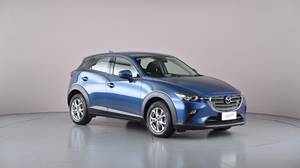
2020 Mazda CX-3
MAXX SPORT (FWD)
49,438 km • Automatic
$20,990

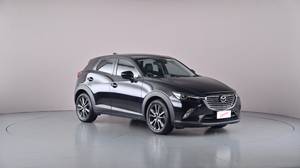
2018 Mazda CX-3
S TOURING (FWD)
59,791 km • Automatic
$20,490

2015 Mazda CX-3
S TOURING (FWD)
27,448 km • Automatic
$19,990
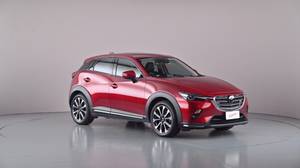
2019 Mazda CX-3
AKARI (AWD)
66,568 km • Automatic
$22,490