•
•
•
•
•
•
Our used Toyota C-HR cars
(5 results)
Toyota C-HR
- 2022 Toyota C-HR

2022 Toyota C-HR
KOBA (AWD) TWO TONE
52,296 km • Automatic
$29,890
est. $147/wk based on 10.02% p.a. - 2022 Toyota C-HR

2022 Toyota C-HR
KOBA (2WD) TWO TONE
46,819 km • Automatic
$29,990
est. $147/wk based on 10.02% p.a. - 2021 Toyota C-HR
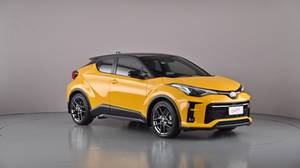
2021 Toyota C-HR
GR-SPORT (2WD) TWO TONE HYBRID
19,309 km • Automatic
$34,390
est. $169/wk based on 10.02% p.a.  Exclusive preferred dealership of the NRMAQuality assurance processes verified by the NRMA.
- 2018 Toyota C-HR
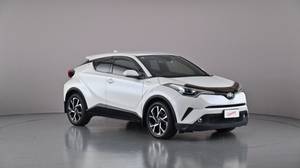
2018 Toyota C-HR
KOBA (AWD)
99,269 km • Automatic
$21,990
est. $108/wk based on 10.02% p.a.

Not quite what you’re looking for?
Set up an alert for your chosen filters and we will send an email when new inventory arrives.
Used Toyota C-HR for Sale in Australia
The used Toyota C-HR is Toyota's compact SUV with a coupe-inspired roofline and a focus on style alongside practicality. The first generation offered both petrol and self-charging hybrid powertrains; the second generation, launched in Australia in the first half of 2024, is hybrid-only. For buyers who want a compact, fuel-efficient SUV with a distinctive profile, the used C-HR is a well-supported and practical choice.
Why choose a used Toyota C-HR?
The C-HR sits between the larger second hand Toyota RAV4 and the compact used Toyota Corolla hatch. It offers SUV ride height and more interior space than a hatch in a package that is shorter overall than a RAV4 and easier to manoeuvre in urban environments and tight car parks. The coupe roofline gives it a more angular exterior but reduces rear headroom relative to a conventional high-roof SUV: taller rear passengers should check their comfort on a test drive.
The self-charging hybrid system fitted to second-generation models, and available as an option on the first generation, makes the C-HR well suited to buyers who do most of their driving in suburban and urban conditions. No external charging is required. In stop-start city driving, the hybrid contributes meaningfully to fuel efficiency through the electric motor's low-speed contribution.
Common alternatives in the compact SUV segment include the used Kia Sportage, used Mazda CX-5, and used Honda CR-V. The C-HR is more compact than these alternatives and suits buyers who prioritise manoeuvrability and distinctive styling over maximum interior volume.
C-HR generations available in Australia
First generation (2017–2023): The first-generation C-HR launched in Australia in 2017 as a new model segment for Toyota, combining a low-slung coupe profile with compact SUV dimensions. It was available with petrol and self-charging hybrid powertrains across GXL and Koba trim levels. All first-generation C-HR variants use front-wheel drive. For buyers who want a petrol-only C-HR or the most affordable entry point into the model range, first-generation examples represent the broader choice on the used market.
Second generation (from 2024): The second-generation C-HR launched in Australia in the first half of 2024 with a significant design update and a change to a hybrid-only powertrain lineup. No petrol-only variant is available in Australia. Three trim levels are offered: GXL and Koba use a 1.8-litre self-charging hybrid system producing 103 kW combined with front-wheel drive; the GR Sport uses a 2.0-litre self-charging hybrid producing 146 kW combined and adds all-wheel drive through a rear electric motor. Boot space on the second-generation GXL and Koba is 388 litres with seats up; the GR Sport is 362 litres due to the rear motor.
What to look for when buying a used C-HR
Service history is the primary check on any used C-HR. A complete logbook confirms the car has been maintained to Toyota's schedule, which is the most reliable indicator of how the hybrid system and general mechanicals have been cared for. On first-generation hybrid models, battery condition at realistic private ownership kilometres is generally sound; consistent servicing is a better indicator of overall vehicle health than any hybrid-specific concern.
For first-generation petrol models, check that the CVT operates smoothly and without hunting or hesitation on the test drive. A CVT in good condition should respond cleanly to throttle inputs across the rev range. If the vehicle has covered high kilometres predominantly in urban stop-start conditions, fluid condition and transmission responsiveness are worth checking.
On second-generation models, confirm that all safety system calibration is intact, particularly if there is any record of windscreen replacement. The forward-facing camera requires professional recalibration after a windscreen change. On GR Sport variants, check tyre wear front and rear: the AWD system and lower suspension tune can produce different wear patterns compared to standard FWD variants.
Every used Toyota C-HR at Carma goes through the NRMA-verified inspection and reconditioning process before listing, with all condition imperfections photographed and disclosed on the vehicle page.
Frequently asked questions
Should I buy a used first or second generation Toyota C-HR?
The first-generation C-HR (2017–2023) offers a wider choice of powertrains including petrol-only variants, and represents the more affordable entry point on the used market. The second-generation C-HR (from 2024) is hybrid-only across all trims and brings updated design and technology, with the GR Sport adding all-wheel drive as a second-generation exclusive. Buyers who specifically want a petrol C-HR or the most accessible price point should look at first-generation examples.
Is the Toyota C-HR hybrid-only?
The second-generation C-HR sold in Australia from 2024 is hybrid-only. The first-generation C-HR was available with both petrol and self-charging hybrid powertrains. Buyers who want a wider range of used hybrid SUVs can browse options across makes and body styles at Carma.
What is the difference between the C-HR GXL, Koba, and GR Sport?
In the second generation, GXL and Koba both use the 1.8-litre hybrid system producing 103 kW combined with front-wheel drive; the Koba adds additional feature specification above the GXL. The GR Sport uses a more powerful 2.0-litre hybrid system producing 146 kW combined and adds all-wheel drive through a rear electric motor, with a sportier suspension tune and exterior styling. For buyers who tow or want AWD capability, the GR Sport is the only second-generation C-HR variant that provides it. Note that the C-HR's towing capacity is low across all variants: buyers who need to tow should confirm the specific variant's rated capacity before purchase.
How much boot space does the Toyota C-HR have?
The second-generation Toyota C-HR has 388 litres of boot space in GXL and Koba variants with the rear seats up, or 362 litres in the GR Sport. These figures are practical for light to moderate loads. The coupe roofline reduces rear headroom compared to a conventional high-roof compact SUV, which is worth assessing on a test drive for buyers who regularly carry tall rear passengers. Buyers who need maximum interior volume in this class should consider the used SUV range at Carma across multiple brands.
How does the Toyota C-HR compare to the RAV4?
The Toyota C-HR and used Toyota RAV4 both offer self-charging hybrid variants but are different in size and focus. The RAV4 is a full mid-size SUV with more rear-seat space, significantly larger boot capacity, and a higher towing rating. The C-HR is more compact, more agile in urban conditions, and less expensive on the used market. Buyers who regularly carry five adults or large loads will find the RAV4 the better practical fit; buyers who primarily drive alone or with one passenger and value a smaller footprint should consider the C-HR.
Can I finance a used Toyota C-HR through Carma?
Yes. Carma's car finance is available across all used Toyota C-HR models on the platform. Applications are completed online, same-day approval is available, and checking eligibility has no impact on the applicant's credit score. The panel covers four lenders to suit a range of buyer profiles.
Browse the current used C-HR range alongside Carma's full second hand Toyota lineup, all NRMA-verified and fixed-price. If you have a current vehicle to replace, Carma's sell or trade in service handles the payout and paperwork alongside the purchase.