
8 common mistakes to avoid when selling your car
The 8 most common mistakes when selling your car privately in Australia — from overpricing to the Notice of Disposal most sellers forget to lodge.



For most used car buyers, finance feels like the final step: something you sort once the real decision has been made. You've found the car, agreed on the price, and the path of least resistance is to sign whatever gets put in front of you.
The problem is that by the time you see the actual terms of your used car finance, you've often already lost the opportunity to compare your options.
Traditional car dealers typically work with a single lender. There's usually an early conversation about repayments, enough to confirm the numbers feel workable, but the detail comes later.
In most cases, the full picture (the interest rate, the fees, the total cost of the loan) only arrives in writing once your application has already been processed and approved. And that's where the timing becomes a problem.
Once an application has been submitted to a lender and approved, shopping around elsewhere means submitting a new application, which creates a new hard inquiry on your credit file. The practical effect is that by the time you have everything you need to compare, that information has already accumulated a cost.
The reasoning you'll often hear is that there's no point putting the details in writing until approval comes through, because things might still change. It's not always said in bad faith. But the result is the same: you're evaluating a significant financial product without the information you'd need to decide properly, at the precise moment when that information matters most.
Finance brokers are generally a step up from a dealer's finance desk when it comes to used car finance, because they work across multiple lenders rather than one. In principle, that means more potential for a competitive outcome.
In practice, most brokers still present one option, not several. Access to multiple lenders doesn't automatically translate into multiple written options in front of you. You're typically still relying on the broker's judgement about which deal suits your situation, without being able to see and compare for yourself.
Brokers can work well, particularly if you have a complex credit profile or want someone to manage the process end to end. But there's a meaningful difference between a provider having access to multiple lenders and that provider showing you multiple written quotes and letting you choose between them. The second is what actually puts the decision in your hands.

Before any application is submitted to any lender, ask for your finance quotes in writing.
Not an estimate. Not a rough rate that might shift before approval. A written document that includes the interest rate, all applicable fees, and what your repayments would actually look like, for each option available to you.
This is the thing that gives you the tools to compare. Without it, you're making one of the biggest financial decisions in your life on a verbal description, in a room where the process has already started moving. With it, you can take the time you need, ask the questions that matter, and understand exactly what you're agreeing to before you sign.
At Carma, we've built this into our process by default: quotes across the full lender panel, in writing, before any application is processed. That's the standard worth holding out for. A provider that won't meet it before lodging an application is telling you something worth paying attention to.
Finance applications create hard inquiries on your credit file. One well-timed application is normal and expected. But the sequence matters more than most buyers realise.
When the full details (rates, fees, total cost) only become available after approval, the window to shop around has already closed without you realising it was open. Looking elsewhere at that point means a new application and a new inquiry on your file. The red flag in used car finance isn't a specific repayment rate. It's the deliberately confusing process that only becomes clear after key decisions have been made.
The green flag is the reverse: multiple options, in writing, with full transparency on rates and fees, before any application is lodged. That's the sequence that keeps the comparison genuinely open and protects your credit score while you make up your mind.
"Buying a used car isn't a casual purchase, for most people it's one of the biggest financial decisions they'll make outside of property," says Peter Willis, Carma's Director of Buying. "What we consistently hear is that buyers don't just want a good car, they want reassurance they’re making the right decision.” Used car finance is no different.
Carma's car finance works through a panel of four lenders. Before any application is lodged, you receive written quotes from across the panel, with the interest rate, fees and repayment figures for each option, so you can compare the full picture before committing. Carma won’t progress applications forward until you've received and reviewed your quotes. That's why there's no impact to your credit score until you decide to proceed.
If you're replacing a car you're still paying off, our guide on how to sell a car that is still financed covers your options clearly. And if you're ready to browse, our extensive range of quality used cars are only a click away.
Carma is not providing financial advice and nothing in this article is to be construed as Carma providing any financial advice.
Carma recommends that its customers seek independent financial advice before making any decisions relating to their personal or business finances.
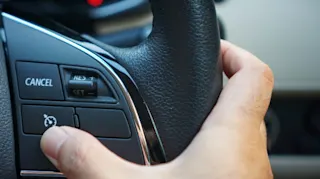
Cruise control can save 7–14% fuel on a flat highway. On a hilly road, it can cost you more. Here's when to use it and when to turn it off.

The documents you need when selling a car with finance owing in Australia: payout letters, PPSR discharge, finance agreements, and what to hand over at settlement.
We’ve won and been finalists for awards in recognition of our efforts to provide the best care and innovation to our customers.


^ Estimated repayment calculation based on an average rate calculated across all fixed P&I used car loans offered by Carma preferred financiers to eligible applicants purchasing a vehicle aged 0-7 years from build date. The interest rates displayed are guides only and does not reflect an offer for any particular product or your situation and does not imply credit is available to you at this rate. Repayments as a result of this simulation can vary based on your personal circumstances including your credit worthiness. Final rate and all applications subject to financier approval. Fees and charges apply. The direct debit frequency options available from financiers may differ.
†within Greater Sydney
NSW Motor Dealer’s Licence: MD087139 • NSW Motor Vehicle Repairer: MVRL59465
© 2026 Carma
Cars worth knowing about. Tips and news worth reading. All direct to your inbox.