
8 common mistakes to avoid when selling your car
The 8 most common mistakes when selling your car privately in Australia — from overpricing to the Notice of Disposal most sellers forget to lodge.

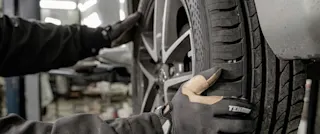

A car that drifts left or right when you let go of the wheel isn't just annoying. It's the car telling you something is wrong, and it happens in all kinds of cars, from a used Toyota Corolla hatchback to a used Hyundai Tucson SUV. The cause could be something you can fix in two minutes for free, or it could be a brake problem that needs same-day attention. The range is wide, but the list to work through is shorter than you'd expect. Here's how to diagnose which one you're dealing with.
Before anything else, check your tyre pressures. Uneven tyre pressure is one of the most common and most overlooked reasons a car pulls to one side, and it takes about two minutes to check at any petrol station.
When one tyre has lower pressure than the others, it creates more rolling resistance on that side. The car naturally drifts toward it. It's physics, not a mechanical fault, and the fix is simply inflating the tyre to the correct pressure listed on the sticker inside your driver's door or fuel cap.
If you check the pressures and they're all fine, or if you inflate and the pulling returns within a few days, the cause is something else. Keep working through this list.
Good tyre pressure habits are one of those maintenance basics that affects far more than pulling: tyre wear, fuel economy, and braking all benefit. goes into a few others that are worth clearing up.
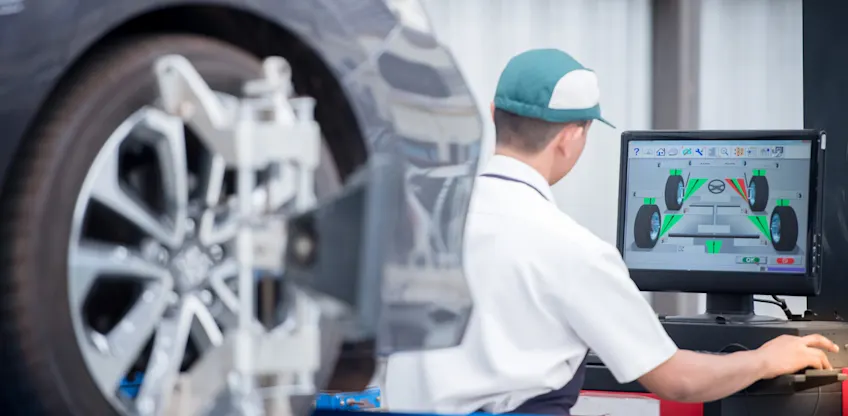
If the pressures are correct but the car still pulls, wheel alignment is the most common underlying cause. Alignment refers to the angles at which your tyres meet the road, and when those angles are off, the car tracks in a direction other than straight ahead.
Alignment goes out for all kinds of reasons: hitting a kerb, going through a bad pothole, or just gradual wear over time. You won't always notice it happening gradually, but you will notice the pulling once it's developed. The car doesn't lurch. It just consistently drifts to one side when you relax your grip on the steering wheel.
An alignment job is a straightforward workshop fix. Most mechanics can do it in under an hour. If you haven't had yours checked in the last 12-18 months, it's worth booking in, as misaligned wheels gradually wear tyres unevenly, which leads to the next issue.
Tyres that have worn unevenly across their width can cause pulling even when alignment and pressure are correct. The most common cause of uneven wear is alignment being out of spec for an extended period. The inner or outer edge of the tyre gets worked harder than the rest of the tread, creating a surface that doesn't grip equally across the contact patch.
You can check for this yourself by running your hand firmly across the tread surface of each front tyre. If it feels notably different on one side compared to the other, or if the wear pattern looks like a slope rather than a consistent depth, uneven wear may be contributing to the pull. Once tyre wear is uneven, it can't be corrected by alignment alone. The tyre itself will need replacing.
If your car pulls to one side specifically when you're braking, or if it pulls constantly and you've also noticed a burning smell, unusual heat near one wheel, or the car feeling like it's working harder than it should: this could be a stuck brake caliper.
A caliper is the mechanism that presses the brake pads against the disc. When it sticks, it keeps partial pressure on the disc even when you're not braking, generating heat, accelerating pad wear, and pulling the car toward the affected side.
Unlike the other causes on this list, brake drag can worsen quickly and affect your ability to stop safely. If pulling is accompanied by heat, smell, or a spongy brake pedal, get it seen by a mechanic the same day. Don't drive further than necessary before doing so.
If you've ruled out pressure, alignment, wear, and brakes, the cause could be in the suspension or steering. Worn tie rods, deteriorated control arm bushings, or a damaged strut can all affect how the car tracks, whether you're in a compact hatch or a mid-size SUV like the used Mazda CX-5. These components wear gradually, and pulling is often accompanied by other symptoms: vibration through the steering wheel, clunking over bumps, or the car handling differently in corners than it used to.
Suspension diagnosis requires a workshop inspection. It's not something you can reliably assess from the driver's seat. If pulling appears alongside any of those other symptoms, it's worth booking it in and describing all of them, not just the pull, so the mechanic can pinpoint the cause efficiently.
The majority of pulling is explained by the first two causes: tyre pressure and alignment. It is genuinely worth ruling out tyre pressure before spending money on a workshop visit. Plenty of people have paid for an alignment job only to find one tyre was significantly underinflated to begin with. If you notice heat, smell, or a spongy pedal alongside the pull, skip straight to a same-day brake inspection.
Pulling to one side is the kind of thing that's easy to ignore because the car still drives. But each of these causes gets more expensive to fix the longer it's left, and the brake drag scenario can escalate into a safety issue. Carma checks steering, suspension, and brakes as part of the quality standards every car goes through before it's listed, so if you're in the market for a replacement, you're not inheriting someone else's deferred maintenance. Browse used cars at Carma and see what's available.
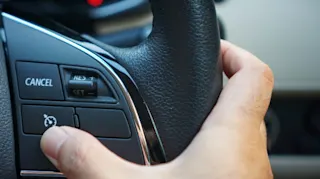
Cruise control can save 7–14% fuel on a flat highway. On a hilly road, it can cost you more. Here's when to use it and when to turn it off.

The documents you need when selling a car with finance owing in Australia: payout letters, PPSR discharge, finance agreements, and what to hand over at settlement.
We’ve won and been finalists for awards in recognition of our efforts to provide the best care and innovation to our customers.


^ Estimated repayment calculation based on an average rate calculated across all fixed P&I used car loans offered by Carma preferred financiers to eligible applicants purchasing a vehicle aged 0-7 years from build date. The interest rates displayed are guides only and does not reflect an offer for any particular product or your situation and does not imply credit is available to you at this rate. Repayments as a result of this simulation can vary based on your personal circumstances including your credit worthiness. Final rate and all applications subject to financier approval. Fees and charges apply. The direct debit frequency options available from financiers may differ.
†within Greater Sydney
NSW Motor Dealer’s Licence: MD087139 • NSW Motor Vehicle Repairer: MVRL59465
© 2026 Carma
Cars worth knowing about. Tips and news worth reading. All direct to your inbox.