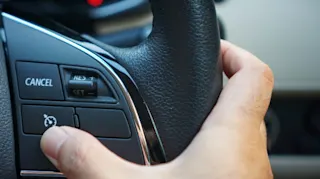
Does cruise control actually save fuel?
Cruise control can save 7–14% fuel on a flat highway. On a hilly road, it can cost you more. Here's when to use it and when to turn it off.



Most Australians expect to negotiate when buying a used car. It's almost considered a rite of passage: you go in with a number, they come back with a counter, and eventually you meet somewhere in the middle and shake hands. Both parties walk away feeling like they got something.
Except that's not really how it works. And understanding why negotiation-based used car pricing is a red flag, not a feature of a fair deal, changes how you approach the whole process.
The price you pay at a traditional used car dealership is rarely the number on the sticker. It's a starting position, set high enough to absorb whatever offer you come in with, leave room for the "discount" that makes you feel like you've won, and still land the dealer at their target margin. This isn't inherently dishonest. It's how the model has always worked. But it creates a problem: the buyer who haggles hardest gets the best price, and the buyer who doesn't know to haggle (or doesn't feel comfortable doing so) pays more for the same car. The price you pay is a function of your negotiating skill and confidence, not of what the car is actually worth.
Under Section 48 of the Australian Consumer Law, automotive dealers in New South Wales are prohibited from presenting component prices without prominently displaying the single, all-inclusive drive-away cash price. However, this still exists in the used car market and is a consistent red flag, alongside practices like unclear drive-away costs and demands for a deposit before a final figure is agreed. These aren't isolated issues. They're features of a pricing model designed to obscure rather than clarify. Fixed, non-negotiable pricing removes that obscurity entirely: the number on the listing is what it costs, for everyone.
Beyond the sticker price itself, traditional used car pricing often conceals additional costs that only surface later in the process. Drive-away pricing that doesn't include mandatory government fees, transfer costs, or dealer delivery charges can turn a seemingly competitive figure into something considerably less so by the time you're signing paperwork.
The same dynamic applies to trade-ins. Lowballing a trade-in valuation is a well-documented tactic in negotiation-based used car sales: the headline price on the car you're buying looks generous, but the offer on the car you're selling doesn't reflect what it's actually worth. The dealer's margin sits between the two, invisible unless you run the numbers independently.
Getting an independent valuation on any trade-in before you walk into a dealership is one of the most straightforward things you can do to protect yourself. Know what your car is worth before someone tells you what they'll give you for it. Some retailers now separate the selling and buying decisions entirely, giving you a firm trade-in valuation before you've committed to buying anything, which removes the bundled-margin tactic altogether.

A dealer who operates on fixed, non-negotiable pricing is making a different kind of commitment. They're saying: this is what the car is worth, and that price is the same for everyone. You don't need to know how to negotiate. You don't need to bring a confident friend. You don't need to work out whether the "deal" you've been offered is actually a deal.
That transparency is not a limitation. It's a signal. It means the business doesn't need to hoodwink you to make its margins. It means the pricing has been set at a level the seller is prepared to defend, rather than inflated to give themselves room to move.
A seller who is willing to show you exactly what you're paying, including all costs before any deposit, is a seller who is confident in their offer. One who isn't willing to commit to a number until they know how hard you'll push is operating on different terms.
A consistent stressor in used car buying is the feeling of being out-negotiated, that someone else with more experience or confidence would have walked away with a better deal. Fixed pricing eliminates this anxiety entirely.
You shouldn't have to heavily negotiate your trade-in value, or work out how much the additional fees add to the drive-away cost, or wonder whether the "discount" you received was real. A transparent pricing structure makes all of that information available upfront, before you commit.
Carma offers fixed and fair pricing. The price you see on the listing is the price you pay: no negotiation necessary, no end-of-month “specials”, no discounts for aggressively confident buyers. Government fees and charges are explained upfront. If you're selling your current car, our Sell To Carma process gives you a valuation before you need to make any decision about buying, keeping the two separate. And with 7 days to drive and decide, you can browse our used cars with confidence knowing that the price is the price.

The documents you need when selling a car with finance owing in Australia: payout letters, PPSR discharge, finance agreements, and what to hand over at settlement.
Not all trim upgrades are worth paying for. Here's which features justify the premium, which ones don't, and how to think about it on a used car.
We’ve won and been finalists for awards in recognition of our efforts to provide the best care and innovation to our customers.


^ Estimated repayment calculation based on an average rate calculated across all fixed P&I used car loans offered by Carma preferred financiers to eligible applicants purchasing a vehicle aged 0-7 years from build date. The interest rates displayed are guides only and does not reflect an offer for any particular product or your situation and does not imply credit is available to you at this rate. Repayments as a result of this simulation can vary based on your personal circumstances including your credit worthiness. Final rate and all applications subject to financier approval. Fees and charges apply. The direct debit frequency options available from financiers may differ.
†within Greater Sydney
NSW Motor Dealer’s Licence: MD087139 • NSW Motor Vehicle Repairer: MVRL59465
© 2026 Carma