
8 common mistakes to avoid when selling your car
The 8 most common mistakes when selling your car privately in Australia — from overpricing to the Notice of Disposal most sellers forget to lodge.



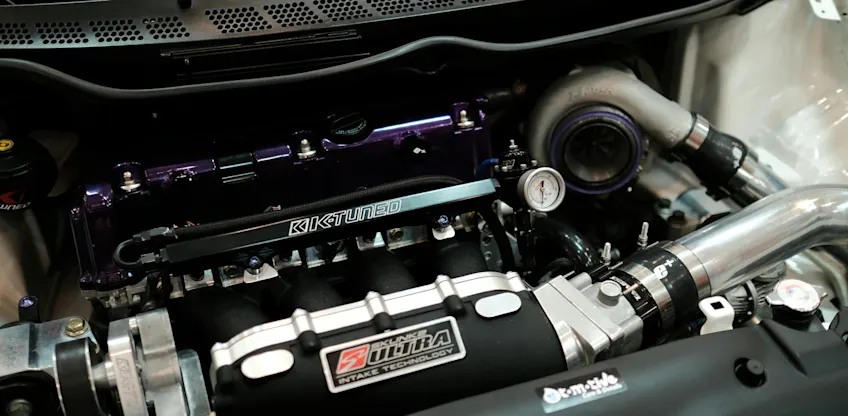
When you’re browsing car specs, two numbers usually stand out: torque and horsepower. But what do they actually mean for your daily drive? If you’ve ever wondered why some cars feel "zippy" at a green light while others excel on the highway, it all comes down to the relationship between these two forces. At Carma, we want to help you understand what’s happening under the hood so you can choose the car that best fits your lifestyle.
Think of torque as the "muscle" or the rotational force generated by your engine's crankshaft. It is the initial strength that gets things moving.
If torque is the muscle, horsepower is how fast that muscle can work. It is the rate at which the engine can perform the work over a period of time.
To truly understand the difference, we have to talk about RPM (revolutions per minute). Torque usually peaks at lower engine speeds, while horsepower peaks much higher.
When you take off from a stoplight, you are feeling torque. As the needle on your tachometer climbs and you feel the car continue to pull harder and faster at high speeds, you are feeling horsepower. This is why a heavy truck might have massive torque but low horsepower, it can pull a house, but it can't move it very fast. Conversely, a Formula 1 car has high horsepower but relatively low torque, it’s incredibly fast, but it needs to be "revved up" to get moving effectively.
1. The case for high torque (the daily driver)
For the everyday driver, engine torque often plays a more important role than top-end horsepower.
2. The case for high horsepower (the performance enthusiast)
A vehicle with lower torque but lots of horsepower usually needs to use its gears more frequently to keep the engine in its "sweet spot" (high rpm).
In the past, you usually had to choose one or the other. Today, technology is bridging the gap:
Your preference depends entirely on how you use your car. If you want a relaxed, responsive drive for commuting or towing, look for a car with a high torque rating. If you’re more interested in high-end performance and top speeds, horsepower will be your focus. Understanding these specs is just the start of being a savvy car owner. To learn more about how your vehicle handles the road, check out our guide on why your car behaves differently when you start it in the morning or see our monthly car maintenance checks to keep your engine performing at its peak.
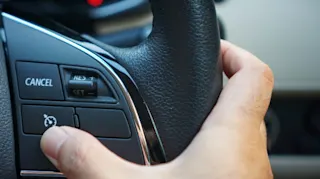
Cruise control can save 7–14% fuel on a flat highway. On a hilly road, it can cost you more. Here's when to use it and when to turn it off.
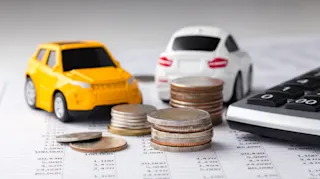
The documents you need when selling a car with finance owing in Australia: payout letters, PPSR discharge, finance agreements, and what to hand over at settlement.
We’ve won and been finalists for awards in recognition of our efforts to provide the best care and innovation to our customers.


^ Estimated repayment calculation based on an average rate calculated across all fixed P&I used car loans offered by Carma preferred financiers to eligible applicants purchasing a vehicle aged 0-7 years from build date. The interest rates displayed are guides only and does not reflect an offer for any particular product or your situation and does not imply credit is available to you at this rate. Repayments as a result of this simulation can vary based on your personal circumstances including your credit worthiness. Final rate and all applications subject to financier approval. Fees and charges apply. The direct debit frequency options available from financiers may differ.
†within Greater Sydney
NSW Motor Dealer’s Licence: MD087139 • NSW Motor Vehicle Repairer: MVRL59465
© 2026 Carma
Cars worth knowing about. Tips and news worth reading. All direct to your inbox.