
8 common mistakes to avoid when selling your car
The 8 most common mistakes when selling your car privately in Australia — from overpricing to the Notice of Disposal most sellers forget to lodge.


Owning a used car is a brilliant financial move, but keeping it in peak condition requires more than just a quick glance at the fuel gauge. While most drivers understand the basics of checking oil and water, your vehicle communicates its health through various subtle indicators. By performing deeper health checks once a month, you can catch minor issues before they escalate into bank-breaking repairs. Here is how to decode your car’s secret language.
Your car will often audibly protest long before a warning light illuminates. Modern vehicles are engineered for smoothness, so any new sound is a cue to investigate.
A healthy cabin should be scent neutral. If you notice a persistent, pungent odor, your nose might be sniffing out a mechanical failure.
The smoke coming out of your tailpipe is a great window into the health of your engine. On a cold morning, white vapour is normal. However, persistent smoke in different colours usually means trouble deep within the car.
Tyres are your only contact point with the road. Beyond checking pressure, the way they wear tells a story about your suspension and alignment. If the tread is wearing unevenly, such as the inside edge wearing faster than the outside, your wheel alignment is likely off. Potholes or curbing a wheel can easily cause this, forcing your engine to work harder and ruining expensive rubber prematurely. Furthermore, if you feel vibrations through the steering wheel at highway speeds, your wheels are likely out of balance, which puts unnecessary stress on your suspension components.
The color and consistency of your car’s fluids are just as critical as the levels.

Australian heat is notoriously brutal on batteries, often shortening their lifespan to three years. You can spot a failing battery before it dies. Look for white, powdery corrosion (acid salts) around the terminals; this can be cleaned with warm water and baking soda to improve the connection. If your engine cranks slowly when starting, or if your headlights dim while you are idling at a red light, your battery or alternator is likely on its last legs.
The rubber hoses and belts in your engine bay undergo constant heat cycles, eventually becoming brittle.
With the engine cool, give the radiator hoses a squeeze. They should be firm yet flexible. If they feel squishy (rotting from the inside) or brittle with visible surface cracks, they are at high risk of bursting under pressure. Similarly, check the serpentine belt for fraying. A snapped belt results in an instant loss of power steering and causes the engine to overheat almost immediately.
It is a common habit to ignore a "Check Engine" light if the car seems to be driving fine. However, these lights trigger when the car’s computer detects something outside of normal operating parameters. What starts as a $50 sensor issue can quickly spiral into a $2,000 catalytic converter replacement if left unaddressed. Using a diagnostic tool early can save you a fortune.
Taking twenty minutes once a month to perform these deeper checks can make a massive difference. You do not need to be an expert to spot a change in colour, a new smell, or an odd sound. Being proactive about your car’s health ensures that your car stays reliable for years to come.
For more tips on keeping your car safe, check out our guide on how to maintain your car.
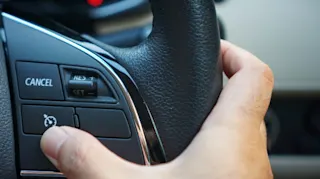
Cruise control can save 7–14% fuel on a flat highway. On a hilly road, it can cost you more. Here's when to use it and when to turn it off.

The documents you need when selling a car with finance owing in Australia: payout letters, PPSR discharge, finance agreements, and what to hand over at settlement.
We’ve won and been finalists for awards in recognition of our efforts to provide the best care and innovation to our customers.


^ Estimated repayment calculation based on an average rate calculated across all fixed P&I used car loans offered by Carma preferred financiers to eligible applicants purchasing a vehicle aged 0-7 years from build date. The interest rates displayed are guides only and does not reflect an offer for any particular product or your situation and does not imply credit is available to you at this rate. Repayments as a result of this simulation can vary based on your personal circumstances including your credit worthiness. Final rate and all applications subject to financier approval. Fees and charges apply. The direct debit frequency options available from financiers may differ.
†within Greater Sydney
NSW Motor Dealer’s Licence: MD087139 • NSW Motor Vehicle Repairer: MVRL59465
© 2026 Carma
Cars worth knowing about. Tips and news worth reading. All direct to your inbox.