
8 common mistakes to avoid when selling your car
The 8 most common mistakes when selling your car privately in Australia — from overpricing to the Notice of Disposal most sellers forget to lodge.



Yes, you can sell a car that still has a loan on it. It happens every day. The finance doesn't stop the sale. It just means the outstanding loan has to be cleared as part of the transaction. Once you understand how that works, the process is straightforward.
Selling a car under finance is legal, but there's a mechanism you need to understand first.
When you take out a car loan, your lender registers a security interest on the PPSR (Personal Property Securities Register), a national government database that records financial interests in personal property, including vehicles. That registration signals to any potential buyer that money is owed against the car. If the loan isn't paid out, the security interest stays with the car, not the seller. A new owner could inherit the debt, and the lender would have the right to repossess the vehicle even after the sale.
This is why the finance must be discharged (formally cleared) before or at the point of sale. Once the loan is paid out, the lender removes their registration from the PPSR, and ownership can transfer cleanly to the buyer.
If you're selling privately, you have two paths.
The first is to pay out the finance yourself before listing. Contact your lender and request a payout figure: the exact amount needed to clear the loan in full, including any applicable fees or break costs. This figure is valid for a set period (often 30 days), so request it when you're close to completing the sale, not months out. Once you've paid it out, the lender releases the PPSR registration and you can sell the car unencumbered.
The second path is to coordinate the payout at settlement. Some private buyers and their solicitors are comfortable with this arrangement, but it requires trust and careful coordination. The buyer pays the lender what is owed directly, and the balance comes to you. It's common when there's a mortgage broker or conveyancer involved, but for a straightforward private sale between individuals it can get complicated quickly.
Either way, you need the loan fully settled and the PPSR registration removed before the car changes hands.

Selling a financed car to a dealer or online car buyer is considerably simpler, because they handle the payout themselves.
When you sell to Carma and your car has finance owing, Carma pays your lender directly, whatever the outstanding balance is. The remainder of the agreed offer comes to you via instant EFT. You don't need to request a payout letter, call your lender, or settle the loan yourself before turning up. Carma handles the PPSR discharge as part of the paperwork they process on the day.
This is a genuine advantage over the private sale path, particularly if coordinating a payout figure and timing the settlement yourself sounds like more admin than you want.
Negative equity means you owe more on your loan than the car is currently worth. It's a real situation, and it affects a meaningful number of Australian car owners: those who bought at the peak of used car prices in 2021–2022, took out a long loan term with a low deposit, or have a balloon payment due. Buyers of popular models like the used Toyota RAV4 and used Ford Ranger who financed at peak prices are commonly in this position, as used car values have softened significantly from the 2022 peak.
If you're in negative equity, selling the car won't fully cover the loan. You'll need to cover the gap from your own funds. There are a few ways to approach it.
You can make up the shortfall at the time of sale. If the gap is small, this may be the cleanest way to get out of a car you no longer want or can't afford.
You can refinance. If your repayments are the issue, refinancing to a longer term can reduce the monthly burden, though you'll pay more interest over time. Carma's used car finance works across a panel of four lenders, which is worth exploring if you're buying a replacement car at the same time.
You can wait. If depreciation is the issue and you're not in financial difficulty, holding the car until your equity position improves is a legitimate option. Make extra repayments where you can: they reduce the principal faster than the standard schedule.
The main thing to know: negative equity doesn't prevent you from selling. It changes how the numbers work, but it doesn't lock you in.
For a private sale, you'll need:
If you're selling to Carma, the document list is shorter. Bring your ID and your rego papers, and have your lender's details to hand. Carma will obtain the payout figure directly from your lender and settle the loan as part of the appointment. You don't need to arrange the payout yourself in advance.
The full process works like this: get a valuation online in under 10 minutes, receive your offer within around one business day, book an appointment at a Sell To Carma Centre in Greater Sydney or Newcastle, Carma verifies your car's condition, and once your offer is confirmed you receive instant EFT for your equity. Carma handles everything else.
Selling a car under finance is done every day in Australia, and for most sellers it's a straightforward transaction once you know what needs to happen. The loan gets paid out, the PPSR registration is discharged, and ownership transfers cleanly.
If you'd rather not manage the payout coordination yourself, Carma can help with that. Get a valuation online in under 10 minutes. Carma pays your lender what's owed and sends you the difference on the spot.
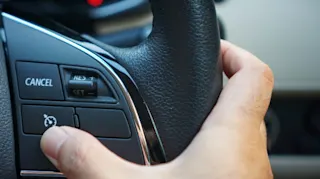
Cruise control can save 7–14% fuel on a flat highway. On a hilly road, it can cost you more. Here's when to use it and when to turn it off.

The documents you need when selling a car with finance owing in Australia: payout letters, PPSR discharge, finance agreements, and what to hand over at settlement.
We’ve won and been finalists for awards in recognition of our efforts to provide the best care and innovation to our customers.


^ Estimated repayment calculation based on an average rate calculated across all fixed P&I used car loans offered by Carma preferred financiers to eligible applicants purchasing a vehicle aged 0-7 years from build date. The interest rates displayed are guides only and does not reflect an offer for any particular product or your situation and does not imply credit is available to you at this rate. Repayments as a result of this simulation can vary based on your personal circumstances including your credit worthiness. Final rate and all applications subject to financier approval. Fees and charges apply. The direct debit frequency options available from financiers may differ.
†within Greater Sydney
NSW Motor Dealer’s Licence: MD087139 • NSW Motor Vehicle Repairer: MVRL59465
© 2026 Carma
Cars worth knowing about. Tips and news worth reading. All direct to your inbox.