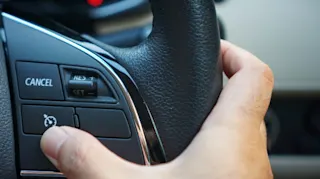
Does cruise control actually save fuel?
Cruise control can save 7–14% fuel on a flat highway. On a hilly road, it can cost you more. Here's when to use it and when to turn it off.



Selling a car in Australia involves more than finding a buyer and shaking hands. State requirements vary, your choice of selling method can affect what you actually receive by thousands of dollars, and skipping the paperwork can leave you liable long after the car has moved on. This guide walks through the process in the order it actually happens.
Before you do anything else, track down the paperwork. You'll need:
A complete service history adds real value. Buyers pay more for cars they can verify, whether you're selling privately or through a dealership like Carma.
Don't go into any sale guessing. Get a proper valuation first.
Check your car's make, model, year, kilometres, and condition against recent comparable listings. RedBook and Glass's Guide are used by industry, but live listings on online marketplaces give you the clearest read on what buyers are actually paying. Condition matters as much as kilometres: paint, tyres, interior, and panel damage all affect your number.
Carma's online valuation takes under 10 minutes and gives you a real number before you commit to anything. Knowing your number up front puts you in a position of information, not guesswork.
It also lets you compare selling methods meaningfully. A dealer trade-in and an online car buyer's offer use different pricing models. Getting more than one number before you decide tells you which path is actually worth taking.
There are two main ways to sell a car:
Sell privately
Listing your car on online marketplaces can return the highest price, but you carry all the risk and effort: fielding calls, arranging test drives with strangers, negotiating, and handling paperwork. Victoria and Queensland also require a roadworthy or safety certificate for private sales.
Expect the process to take two weeks to two months depending on your car and asking price. High-demand models like a used Ford Ranger or used Toyota HiLux will attract more enquiries; unusual or niche cars can sit for weeks without the right buyer. During that window you'll be managing enquiries at odd hours and fielding low offers from buyers who've been shopping around. That's fine if time isn't a constraint and the extra return is worth it to you.
Sell through a dealership
The alternative is selling your car directly to a dealership. This could be a traditional trade-in, where you sell your car as part of buying your next one, or a standalone sale with no replacement purchase involved. Either way, the dealer handles the paperwork, there's no listing process, and no test drives with strangers.
The trade-off is price. Dealerships need to build in margin, so the offer will sit below private sale value.
Selling your car to Carma is a simple and stress-free process: get a valuation online, receive your offer within around one business day, then book an appointment at a Sell To Carma Centre in Greater Sydney or Newcastle. Carma verifies your car's condition on the day: if it matches your submission, the original offer stands; if something's different, Carma presents your updated offer. Accept it and you receive instant EFT payment on the spot. No test drives with strangers, no negotiating, no paperwork to organise yourself.
A clean car sells for more. Give it a proper wash inside and out, remove all personal belongings, and fix small, cheap issues like a missing wheel cap or a blown globe. Don't overcapitalise: spending $2,000 on a pre-sale service for a car worth $12,000 is money you won't get back. Fix the obvious, disclose the rest.
If you're listing privately, photographs are part of the presentation. Shoot in daylight from consistent angles: three-quarter front, three-quarter rear, both sides, the dashboard, interior, and odometer. Buyers are making quick assessments from a phone screen. The photos need to answer the obvious questions before they ask them.
Be upfront about anything a buyer will eventually see. A service history gap, a known fault, or repaired damage is better disclosed in the listing than discovered on the day. Buyers who find problems themselves use them as negotiating leverage; buyers who are told up front will often factor the issue in and still proceed.
This is where sellers make avoidable mistakes.
Notice of Disposal (NOD): In every Australian state, you must notify the relevant transport authority once your car is sold. In NSW, you lodge a Notice of Disposal online via Service NSW within 14 days. Other states have the same requirement through their own portals. Lodge it promptly: once the NOD is on record, you're no longer liable for fines the buyer racks up.
Rego transfer: The buyer is responsible for transferring the registration into their name. In most states, they have 14 days to complete it before late fees apply.
Roadworthy or safety certificate: Victoria and Queensland require a current roadworthy or safety certificate for private sales. NSW does not. Check your state's rules before you list.
Finance payout: If your car is under finance, the loan must be paid out before ownership can transfer. Contact your lender for a payout figure. Carma handles this as part of the process if you sell through them.
Keep a record: Hold onto your NOD confirmation and a signed receipt: buyer's name, address, sale price, date, and odometer reading.
The valuation is the right first move whether you end up selling privately or through a dealership. Once you know what your car is worth, you can make a real comparison. Sell To Carma gives you an online valuation in under 10 minutes: no test drives, no negotiating, instant EFT on the day, and all the paperwork handled for you.

The documents you need when selling a car with finance owing in Australia: payout letters, PPSR discharge, finance agreements, and what to hand over at settlement.
Not all trim upgrades are worth paying for. Here's which features justify the premium, which ones don't, and how to think about it on a used car.
We’ve won and been finalists for awards in recognition of our efforts to provide the best care and innovation to our customers.


^ Estimated repayment calculation based on an average rate calculated across all fixed P&I used car loans offered by Carma preferred financiers to eligible applicants purchasing a vehicle aged 0-7 years from build date. The interest rates displayed are guides only and does not reflect an offer for any particular product or your situation and does not imply credit is available to you at this rate. Repayments as a result of this simulation can vary based on your personal circumstances including your credit worthiness. Final rate and all applications subject to financier approval. Fees and charges apply. The direct debit frequency options available from financiers may differ.
†within Greater Sydney
NSW Motor Dealer’s Licence: MD087139 • NSW Motor Vehicle Repairer: MVRL59465
© 2026 Carma