
8 common mistakes to avoid when selling your car
The 8 most common mistakes when selling your car privately in Australia — from overpricing to the Notice of Disposal most sellers forget to lodge.

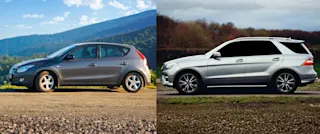

Most people who end up stuck between a hatchback and an SUV aren't confused about the cars. They're confused about which version of their life they're actually buying for. The one with camping trips and dirt roads on weekends? Or the one with inner-city commutes and tight multistorey car parks on weekdays? Both are legitimate answers, and both body types serve their owner well when the fit is right. The problem is usually buying for the life you imagine rather than the one you're living. Here's a more useful framework for thinking it through.
The gap between a modern compact hatchback and a small SUV has narrowed a lot in recent years. A used Mazda 3 and a used Mazda CX-5, for example, share similar engine options, are close in overall length, and both fit comfortably in a standard car park space. At the small end of the SUV market especially, you're not getting dramatically more interior room. You're getting more ride height, a taller cargo area, and a different seating position.
This matters because it reframes the choice. Neither body type is obviously the practical one. Both have real trade-offs, and what you gain in one area you generally give up somewhere else.
If most of your driving is urban, a hatchback has a clear, functional advantage. On inner-city streets, in multistorey car parks, and on tight driveways, lower rooflines and tighter turning circles make a genuine daily difference. A used Hyundai i30 will get into spaces a used Hyundai Tucson simply won't, and the accumulated stress of daily parking is a tax most drivers underestimate until they're living with it every day.
The extra footprint of an SUV doesn't just mean slightly awkward manoeuvres. It means circling the block, skipping the car park you'd have used in a hatch, or quietly dreading parallel parking on a street you'd have handled without thinking before.
Boot space and ride height are the SUV's strongest arguments, and they're legitimate. A typical small SUV offers around 400-500 litres of cargo space; a comparable hatchback sits in the 300-380 litre range. That gap matters if you're regularly loading prams, camping gear, or a full weekly shop. A used Toyota RAV4 in a family context, for example, offers a flat, wide load floor that a low-slung hatchback simply can't replicate. The higher load height also makes getting heavy or awkward items in and out considerably easier on your back.
The elevated driving position is a real advantage too. Sitting higher gives better sightlines in traffic, makes it easier to judge where the bonnet ends in tight spots, and getting in and out requires noticeably less effort. For taller drivers or anyone with mobility considerations, the more upright seating in an SUV can be genuinely more comfortable on long runs.
If camping trips, regional drives, and unsealed roads are a regular part of your life, an SUV earns its keep well beyond boot space. Ground clearance means less risk of scraping the underside on a gravel track or a steep driveway exit. Models like the used Subaru Forester come with AWD as standard, adding real-world grip on wet or loose surfaces. A larger fuel tank also means fewer stops on long country drives.
If your idea of adventure is a campsite you reach by a sealed road, a hatchback handles it without blinking. But if you're regularly heading somewhere that genuinely requires a few kilometres of dirt track, the extra clearance and drivetrain options are worth having.
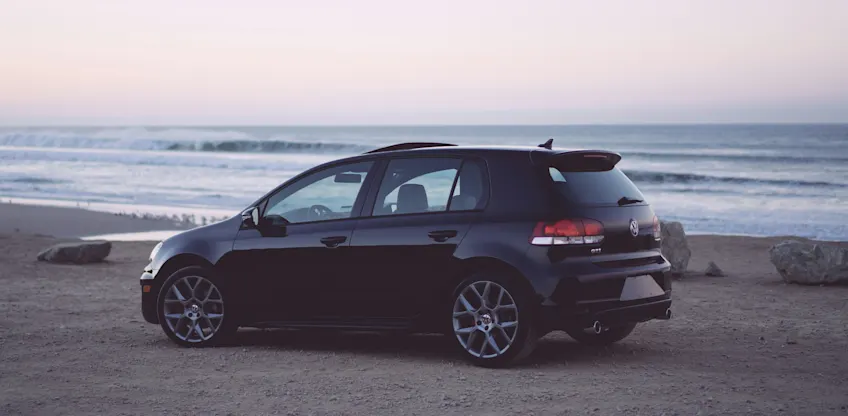
Fuel economy, tyre costs, and insurance premiums favour the hatchback. Smaller and lighter with a smaller engine, a compact hatch like the used Toyota Corolla will return better fuel figures per 100km than a comparable SUV on the same mix of city and highway driving. Larger tyres cost more to replace, and insurance premiums tend to track the car's purchase price.
That said, fuel-efficient SUVs have improved considerably, particularly hybrid models. The gap has narrowed. But across a full ownership cycle, the hatchback comes out ahead on running costs.
Hatchbacks handle better. Less weight, a lower centre of gravity, and more direct steering make a compact hatch feel nimble in a way most small SUVs don't quite match. If the act of driving matters to you, not just the destination, this counts for something.
SUVs feel solid and settled, and the higher seating position gives a sense of security that many drivers prefer. For most everyday commuting it's personal taste, but if you spend time on unsealed roads, the extra ground clearance earns its keep.
Think about the last three weeks of actual driving, not the camping trip you do twice a year. The day-to-day pattern. If most of it is urban commuting, school runs on residential streets, and parking near shops, a hatchback will suit your life better and cost you less to run.
If most of it is highways, regional drives, regular passengers who need proper rear-seat space, or genuine off-road access, an SUV will feel like the right call within the first month. And if the honest answer is genuinely "both apply about equally," go with whichever fits your parking situation. That resolves the tiebreaker better than any feature comparison.
Neither body type is objectively better. The right car is the one that fits your actual life, not the version where you go off-road more than you do and never struggle with parking. At Carma, every car is listed at a fixed, transparent price. Start browsing and see which one you keep coming back to.
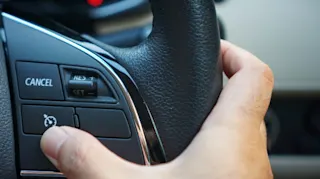
Cruise control can save 7–14% fuel on a flat highway. On a hilly road, it can cost you more. Here's when to use it and when to turn it off.

The documents you need when selling a car with finance owing in Australia: payout letters, PPSR discharge, finance agreements, and what to hand over at settlement.
We’ve won and been finalists for awards in recognition of our efforts to provide the best care and innovation to our customers.


^ Estimated repayment calculation based on an average rate calculated across all fixed P&I used car loans offered by Carma preferred financiers to eligible applicants purchasing a vehicle aged 0-7 years from build date. The interest rates displayed are guides only and does not reflect an offer for any particular product or your situation and does not imply credit is available to you at this rate. Repayments as a result of this simulation can vary based on your personal circumstances including your credit worthiness. Final rate and all applications subject to financier approval. Fees and charges apply. The direct debit frequency options available from financiers may differ.
†within Greater Sydney
NSW Motor Dealer’s Licence: MD087139 • NSW Motor Vehicle Repairer: MVRL59465
© 2026 Carma
Cars worth knowing about. Tips and news worth reading. All direct to your inbox.