
8 common mistakes to avoid when selling your car
The 8 most common mistakes when selling your car privately in Australia — from overpricing to the Notice of Disposal most sellers forget to lodge.



The Notice of Disposal is one of the most overlooked steps in a private car sale. Most sellers hand over the keys, receive payment, and consider the transaction complete. A few weeks later, a fine or toll notice arrives for a vehicle they no longer own. The Notice of Disposal is how you prevent that from happening.
A Notice of Disposal (sometimes called a Notice of Sale in other states) is a formal notification to your state's transport authority that you have sold your vehicle and are no longer responsible for it. It records the sale date, the buyer's details, and removes you from the vehicle's operator record from that point forward.
It is not a transfer of registration. That is the buyer's responsibility. The Notice of Disposal is the seller's step, separate from whatever the buyer does with the registration.
In New South Wales, the Notice of Disposal is lodged through Service NSW. Other states have equivalent processes under different names through their own transport authorities.
Once you sell a car and hand over the keys, you are no longer responsible for how it's driven or where it's parked. The Notice of Disposal is how you make that fact official in the transport authority's system.
Without it, the transport authority still has you listed as the vehicle's registered operator. Any fine, toll, or infringement generated by the new owner after the sale will be directed to you as the listed operator. This includes:
Correcting this after the fact requires evidence of the sale and a formal dispute process with the relevant authority, which is a time-consuming process that can't always be resolved quickly. Lodging the Notice of Disposal on the day of sale takes a few minutes. Undoing the consequences of not lodging it can take weeks, multiple phone calls, and potential fees. It is one of those rare administrative steps where doing it immediately costs almost nothing and ignoring it costs far more.
In NSW, to lodge the Notice of Disposal online, you'll need:
If you don't have all the buyer's details at the time of sale, collect them before you hand over the car. It is a reasonable and standard request from any seller, and a serious buyer won't object. Keep a copy of the buyer's driver's licence photo as well. It verifies identity and gives you a record if any dispute arises later.

In NSW, you can lodge the Notice of Disposal:
Online: Visit service.nsw.gov.au and search for "Notice of Disposal". Online lodgement requires a NSW driver's licence or photo card and cannot be completed on behalf of a company. Lodgement is free.
In person: Visit any Service NSW service centre with the required information.
By post: Fill out the paper form and mail it to Transport for NSW. This takes longer and isn't recommended if you want immediate protection.
The online method is the fastest and provides immediate confirmation of lodgement. Do it on the day of the sale, not a week later.
For private sales, lodge the Notice of Disposal on the same day you hand over the car keys. Waiting for the buyer to let you know they've transferred the registration is not the right trigger. Your obligation is the NoD, regardless of what the buyer does or how long their transfer takes.
For popular models like the used Volkswagen Golf or similar used hatchbacks that sell quickly, it's easy to get caught up in the handover and forget. Put it in your phone calendar as a task on the day you list the car: "lodge NoD when car sells."
In NSW, the Notice of Disposal should be lodged within 14 days of the sale. Lodging it late is still better than not lodging it at all, but you may be liable for fines issued in the interim period.
If fines arrive after the sale and before you lodged the NoD, you can dispute them by providing evidence of the sale date. A copy of the sale receipt, bank transfer record, and any written correspondence with the buyer is useful here. Keep these documents for at least 12 months after the sale in case any delayed infringements surface. The dispute process varies by the type of infringement and the issuing authority, and some authorities are slower to process disputes than others.
When you sell your car with Carma, you don't need to lodge the Notice of Disposal yourself. We help manage the process for you, so you leave the transaction without any outstanding obligations.
Get a valuation from Carma if you're thinking about selling. The admin steps that catch private sellers off guard are managed as part of the process.
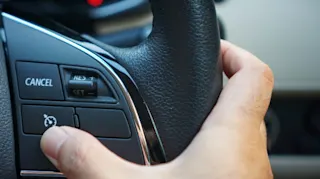
Cruise control can save 7–14% fuel on a flat highway. On a hilly road, it can cost you more. Here's when to use it and when to turn it off.

The documents you need when selling a car with finance owing in Australia: payout letters, PPSR discharge, finance agreements, and what to hand over at settlement.
We’ve won and been finalists for awards in recognition of our efforts to provide the best care and innovation to our customers.


^ Estimated repayment calculation based on an average rate calculated across all fixed P&I used car loans offered by Carma preferred financiers to eligible applicants purchasing a vehicle aged 0-7 years from build date. The interest rates displayed are guides only and does not reflect an offer for any particular product or your situation and does not imply credit is available to you at this rate. Repayments as a result of this simulation can vary based on your personal circumstances including your credit worthiness. Final rate and all applications subject to financier approval. Fees and charges apply. The direct debit frequency options available from financiers may differ.
†within Greater Sydney
NSW Motor Dealer’s Licence: MD087139 • NSW Motor Vehicle Repairer: MVRL59465
© 2026 Carma
Cars worth knowing about. Tips and news worth reading. All direct to your inbox.