
8 common mistakes to avoid when selling your car
The 8 most common mistakes when selling your car privately in Australia — from overpricing to the Notice of Disposal most sellers forget to lodge.

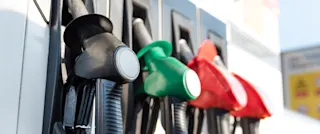

Most Australian drivers have stood at the bowser and wondered whether the extra 20–30 cents per litre for 98 RON is money well spent or money down the drain. The honest answer depends almost entirely on what car you drive. For most of us, it doesn't matter at all.
RON stands for Research Octane Number. It measures how resistant a fuel is to knocking, which is the uncontrolled detonation that occurs when the air-fuel mixture in your engine ignites too early. A higher RON means greater knock resistance. Not more power, not more energy.
In Australia, the three grades you'll find at most service stations are:
The labels at the pump are part of the confusion. "Premium" is a marketing term, not a technical specification for your engine. Whether it's worth paying for depends on what your manufacturer actually requires.
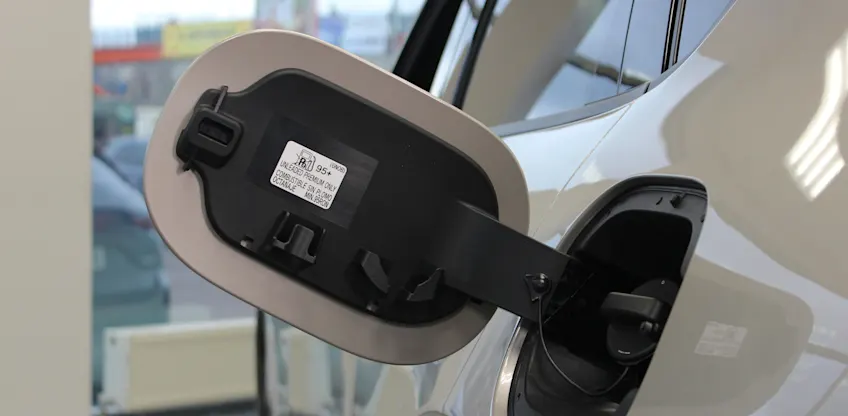
Open your fuel cap, check the sticker inside your filler flap, or look it up in your owner's manual. Manufacturers use two different words, and they mean very different things.
Required means the engine is engineered to run on a minimum octane rating. Filling with a lower grade risks real damage over time: knock, reduced performance, and potential long-term wear. High-compression naturally aspirated engines and turbocharged performance engines almost always require 95 or 98 RON.
Recommended means the manufacturer has designed the engine to run on regular 91 RON, but has calibrated it to extract a small performance or efficiency benefit from higher-octane fuel. In practice, modern engine control units (ECUs) are smart enough to detect lower-octane fuel and adjust ignition timing accordingly. The performance gap between 91 and 95 in a car that only "recommends" premium is, in most cases, negligible.
For the overwhelming majority of Australians driving a family SUV, hatchback, or sedan, the fuel cap says "recommended," which means 91 RON is perfectly fine.
There are two clear situations where the higher-octane spend is justified.
The first is when it's required. If your car specifies a minimum of 95 or 98 RON, you should use it. This applies to performance cars with high-compression engines, turbocharged sports models, and many European vehicles. Think used Volkswagen Golf GTI, used BMW M2, or any used Porsche. These engines operate at compression ratios where regular fuel can cause knock, and that knock causes damage.
The second situation is when fuel economy matters enough to do the sums. Some engines with a "recommended" rating will return measurable economy gains on 98 RON, particularly under load or at highway speeds. But the maths rarely work in your favour. If 98 RON costs 15–30 cents per litre more and your car returns a 2–3% economy gain, you'd need to drive very long distances before the fuel saving offsets the price premium.
If you're noticing a higher consumption rate regardless of fuel type, that's a different issue worth investigating. Our guide on why your car might be using more petrol than expected covers the most common causes.
Modern cars are not the carburettor-fed engines of the 1980s. Most vehicles built in the last decade come with adaptive engine management systems that monitor combustion in real time and pull timing back when they detect a lower-octane fuel. The result is a slight drop in power output, but rarely anything a driver would notice on the road.
Some manufacturers, including Toyota and Mazda, design their naturally aspirated engines with 91 RON as the base, meaning the engine is fully optimised for regular fuel already. Putting 98 RON in a used Toyota Corolla, for example, is not going to improve your morning commute.
The industry's vague language around "recommended" versus "required" leaves a lot of drivers uncertain and inclined to spend more just to be safe. It's the kind of murky specification that benefits nobody. Carma takes a similar approach to transparency in a different part of the car-buying process: one fixed price, no negotiation, no wondering if you paid more than the person before you.
As a rough guide, these are the vehicle types where 95 or 98 RON is typically required or delivers a meaningful benefit:
If your car doesn't appear on a list like this, check the manual. The manufacturer's specification is the only source that matters.
Does premium fuel make a difference? For performance cars with engines that require high-octane fuel, yes. For the vast majority of Australian drivers in everyday cars, no. You're spending real money for a benefit so small it's practically unmeasurable.
Check the fuel cap. If it says "required," use the grade specified. If it says "recommended," save your money and put regular in. Your ECU is handling the rest.
When you're ready to find a used car that suits your budget and driving style, Carma lists every car with full specs, including the fuel type required, so you know exactly what you're getting before you buy.
Cruise control can save 7–14% fuel on a flat highway. On a hilly road, it can cost you more. Here's when to use it and when to turn it off.
The documents you need when selling a car with finance owing in Australia: payout letters, PPSR discharge, finance agreements, and what to hand over at settlement.
We’ve won and been finalists for awards in recognition of our efforts to provide the best care and innovation to our customers.


^ Estimated repayment calculation based on an average rate calculated across all fixed P&I used car loans offered by Carma preferred financiers to eligible applicants purchasing a vehicle aged 0-7 years from build date. The interest rates displayed are guides only and does not reflect an offer for any particular product or your situation and does not imply credit is available to you at this rate. Repayments as a result of this simulation can vary based on your personal circumstances including your credit worthiness. Final rate and all applications subject to financier approval. Fees and charges apply. The direct debit frequency options available from financiers may differ.
†within Greater Sydney
NSW Motor Dealer’s Licence: MD087139 • NSW Motor Vehicle Repairer: MVRL59465
© 2026 Carma