
What documents are needed when selling a car with finance owing?
The documents you need when selling a car with finance owing in Australia: payout letters, PPSR discharge, finance agreements, and what to hand over at settlement.

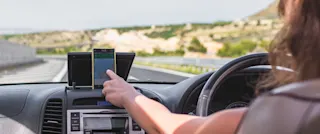

In March 2026, mobile phone and seatbelt cameras were upgraded to a highly coordinated, nationwide AI system. Here is what you need to know to avoid that hefty fine while still showing safe car driving behaviour.
Transport for NSW officially upgraded its fleet of mobile cameras to a world-first bi-directional system. The 2019-era cameras were limited to two lanes of traffic, making them less effective on busy multi-lane roads or in areas with high traffic density from both directions.
Now, due to a hardware and software overhaul, these units can monitor both directions simultaneously. This means that passing the camera doesn't mean you’re in the clear; the AI has already captured both your front and rear windscreen before you’ve even checked your mirrors. This has increased the probability of catching offenders in high-volume, single-lane or dual-directional locations.
These cameras were efficient but required high contrast environments and sometimes missed subtle offences in low light areas. The new units utilise advanced infrared flash technology that penetrates windscreens regardless of sun glare, heavy rain, or darkness. This reduces image noise in the images, allowing the AI to identify subtle offences, like a phone resting on a thigh that older cameras might have missed.
It isn’t just about having the belt clicked in anymore; the AI is now specifically trained to detect the "under the arm" tuck.
In NSW and QLD, if your seatbelt is tucked under your arm for "comfort," it is legally deemed as not wearing a seatbelt at all. Even more importantly for drivers, you are legally responsible for your passengers. If the AI catches your passenger wearing their belt incorrectly, you (the driver) get the fine and the points. Before you start driving, make sure everyone’s sash is over the shoulder and properly adjusted.
Because of the increased reach and accuracy of these updated cameras in previously unmonitored areas or smaller roads,, there is now a higher chance of catching mobile phone use while driving.
At the start of the program, the detection rate was 1 in 400 vehicles; today, that has dropped to 1 in 1,200. This shift highlights a significant move toward preventative driving behaviour, as the increased "reach" of these cameras on smaller and regional roads makes mobile phone use a much higher risk for motorists.
"The tech has reached a point where 'hiding' your phone is a thing of the past. We’re seeing a massive surge in customers looking for vehicles with integrated Apple CarPlay and Android Auto. It’s no longer a luxury; it’s a legal necessity to stay hands-free" says Peter Willis, Carma's Director of Buying. "At the same time, we have to remind our P-Plater and Learner customers that for them, these hands-free options cannot legally be used."
To combat "false positives" (where AI mistakes a wallet or a chocolate bar for a phone), governments have introduced a two-tier review system:

While the technology is nationwide, the penalties vary wildly depending on which side of the state border you’re on. Queensland has officially taken the crown for the most expensive distraction fines in the country.
Stop the fines before they hit your mailbox. Run through this list before you shift into drive.
The 2026 AI detection technology upgrade isn’t about catching you out; it’s about changing habits. Distraction and seatbelt non-compliance remain two of the biggest contributors to the road toll. By staying focused and keeping your tech in its mount, you’re not just saving your license; you’re keeping everyone on the road a little bit safer.
If your current car’s tech is making it hard to stay hands-free, it might be time for an upgrade. Check out our range and find a ride that helps you stay safe on the road.
Not all trim upgrades are worth paying for. Here's which features justify the premium, which ones don't, and how to think about it on a used car.

What happens to your car loan when you sell? The loan doesn't disappear — here's how settlement works in a private sale, through a dealer, and with negative equity.
We’ve won and been finalists for awards in recognition of our efforts to provide the best care and innovation to our customers.


^ Estimated repayment calculation based on an average rate calculated across all fixed P&I used car loans offered by Carma preferred financiers to eligible applicants purchasing a vehicle aged 0-7 years from build date. The interest rates displayed are guides only and does not reflect an offer for any particular product or your situation and does not imply credit is available to you at this rate. Repayments as a result of this simulation can vary based on your personal circumstances including your credit worthiness. Final rate and all applications subject to financier approval. Fees and charges apply. The direct debit frequency options available from financiers may differ.
†within Greater Sydney
NSW Motor Dealer’s Licence: MD087139 • NSW Motor Vehicle Repairer: MVRL59465
© 2026 Carma