
What documents are needed when selling a car with finance owing?
The documents you need when selling a car with finance owing in Australia: payout letters, PPSR discharge, finance agreements, and what to hand over at settlement.

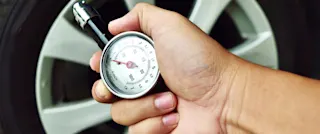

If it’s been over a month since you last checked your tyre pressure, this is your sign to do so!
Many drivers underestimate how much tyre pressure impacts safety, fuel efficiency, and overall vehicle performance. Having the right pressure isn’t just a maintenance tip, it’s essential for keeping your car handling safely and smoothly on the road. Tyres are the only part of your vehicle that touches the road, so even small changes in pressure can have noticeable effects on braking distance, stability, fuel consumption and how long your tyres last.
There are three main reasons why the correct tyre pressure is so important.
Before you start pumping or deflating your tyres, it’s crucial to find the correct pressure for your vehicle. You’ll find this information:
Here you will be able to identify your car’s recommended PSI, KPa, or Bar for both front and rear tyres. The Tyre & Rim Association of Australia also notes that using manufacturer-recommended pressures ensures optimal handling, tyre wear, and safety compliance.
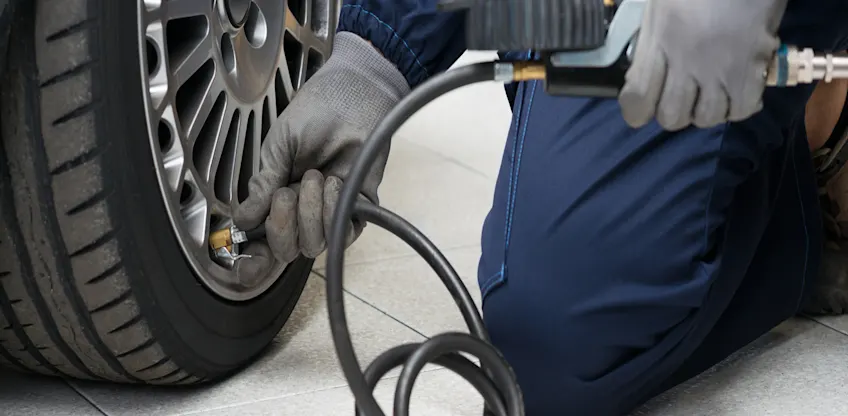
There are a few ways to check your tyre pressure, depending on what tools you already have or how modern your vehicle is:
A lot of drivers don’t realise that tyre pressure can change with temperature, the car’s load and even how long the car has been parked. Cool weather can cause pressures to drop, while hot roads can push them higher than recommended. A good tip to note is to check your tyre pressures when the tyres are cold (before driving), as heat can temporarily increase readings.
To inflate your tyres: The easiest way to get your tyres to correct pressure is to go to the service station. All service stations have free-to-use air pumps. You can set the recommended PSI on the machine, attach the hose to the tyre valve and the machine will show your current pressure and automatically inflate it! It will also show the conversion numbers of kPa and Bar.
To deflate your tyres: If your tyres are over inflated, you can lightly press down on the small metal pin inside the valve. Air will start to hiss out until you stop pressing into the pin. Repeat the process until you reach the recommended PSI, kPa and Bar.
Checking tyre pressure at least once a month and before long trips is the most optimal frequency to ensure your tyres stay in safe condition.
Better yet, the next time you’re at the servo refuelling your car, add tyre checking into your routine. A quick 60-second tyre check can improve safety, extend tyre life, and save you money in the long run.
Curious about what other checks you should be doing? Check out our helpful guide to make sure you're taking proper care of your vehicle.
Not all trim upgrades are worth paying for. Here's which features justify the premium, which ones don't, and how to think about it on a used car.

What happens to your car loan when you sell? The loan doesn't disappear — here's how settlement works in a private sale, through a dealer, and with negative equity.
We’ve won and been finalists for awards in recognition of our efforts to provide the best care and innovation to our customers.


^ Estimated repayment calculation based on an average rate calculated across all fixed P&I used car loans offered by Carma preferred financiers to eligible applicants purchasing a vehicle aged 0-7 years from build date. The interest rates displayed are guides only and does not reflect an offer for any particular product or your situation and does not imply credit is available to you at this rate. Repayments as a result of this simulation can vary based on your personal circumstances including your credit worthiness. Final rate and all applications subject to financier approval. Fees and charges apply. The direct debit frequency options available from financiers may differ.
†within Greater Sydney
NSW Motor Dealer’s Licence: MD087139 • NSW Motor Vehicle Repairer: MVRL59465
© 2026 Carma