
8 common mistakes to avoid when selling your car
The 8 most common mistakes when selling your car privately in Australia — from overpricing to the Notice of Disposal most sellers forget to lodge.


Selling a car in Australia has changed significantly over the last few years. While the used car market remains robust, buyers are more informed and cautious than ever before. Whether you're upgrading to a newer model or downsizing to something more practical, selling your car can come with costly mistakes if you're not prepared.
When you start thinking it might be time to sell your car, it's easy to focus only on the final figure you want to see in your bank account. But many sellers end up leaving money on the table or getting stuck with a car that won't sell because of simple mistakes along the way. By avoiding these five common pitfalls, you can create a smoother selling experience and secure a better price for your car.
The most common reason a car sits on the market for months is an inflated price tag. It's natural to have an emotional attachment to your car, whether it's the memories you've made in it, the reliability it has provided, or the care you've put into maintaining it. Unfortunately, the market doesn't price cars based on sentiment.
When researching how to sell your car, your first step should be looking at objective data. Many sellers compare their car to the highest advertised prices on classified sites and assume they can achieve the same result. The reality is that many of those vehicles aren't selling for their listed price, they're being negotiated down before a buyer commits.
Time on the market can also work against you. Even if your car is genuinely a great vehicle, a price that is too high can cause it to sit unsold. As potential buyers see the same listing appear week after week, they may start to wonder whether there's an underlying issue with the car, making it harder to attract serious interest.
To avoid this mistake:
A price that’s too high can scare genuine buyers away, while pricing too low risks undervaluing your car. Look for the sweet spot by setting a realistic price based on what similar vehicles are actually selling for in the current Australian market.
First impressions matter. If a potential buyer walks up to a car covered in dust with a cluttered interior, they may start looking for reasons to negotiate the price down. While a dirty car doesn't necessarily mean it has been poorly maintained, buyers often use presentation as a signal of how well a vehicle has been cared for overall.
For marketplace-based sales, neglecting your car's presentation can be a costly mistake. A thorough clean and detail can help your car make a stronger first impression, but avoid quick fixes or cheap repairs that are designed to hide imperfections. A poor-quality repair can actually reduce your car's value by raising questions about the work completed and what else might be hidden.
Instead, focus on presenting your car honestly. Clean it up, highlight its strengths and be transparent about any imperfections. Giving potential buyers the full picture allows them to make an informed decision and builds trust throughout the selling process.
Focus on these areas:
Spending some money on a professional detail can significantly improve your car’s presentation and perceived value. When people ask how to sell their car quickly, the answer is often simple: make it look its best from the moment a buyer sees it.
In Australia, a car with a full service history is worth significantly more than one without it. If you cannot prove that regular servicing and maintenance have been carried out, buyers may question how well the vehicle has been cared for and factor that uncertainty into their offer. Missed services can directly reduce your car’s value, as any overdue maintenance becomes a cost the next owner needs to take on. Just because you haven't paid to replace a part or complete a service yet, doesn't mean that expense disappears, it simply gets passed on to the buyer.
Missing paperwork is also a major red flag. It can suggest a lack of attention to maintenance and leave buyers concerned about potential hidden issues. Before you list your car, gather your logbook, any recent repair receipts and the owner’s manual so you can provide a complete picture of the vehicle’s history.
It’s also important to have the correct state-based paperwork ready. Whether it’s a Roadworthy Certificate (RWC) in Victoria or a pink slip in New South Wales, having the required documents prepared shows you’re a serious and organised seller. A smooth transaction is easier when buyers have confidence that everything is in order.
We live in a visual age. If your online listing features three blurry photos taken at dusk in a crowded car park, most buyers will simply scroll past. Your listing is your digital shopfront, and high-quality photos can make the difference between attracting serious interest and being overlooked.
Avoid these common listing mistakes:
A thorough listing should include 15 to 20 high-resolution photos from multiple angles, including the interior, engine bay and tyre tread. Be descriptive in your text and highlight features that matter to buyers, such as Apple CarPlay, fuel efficiency or a recent battery replacement. Transparency builds trust.
Many people assume that selling privately is the only way to get the absolute maximum price for their car. While the upfront figure might look higher on paper, sellers often overlook the hidden costs involved in managing the sale themselves.
Private selling can involve:
When you factor in the cost of your time, the stress of negotiations and the potential for scams, the "higher" private sale price may not always be worth it. For many Australians, the convenience of a professional, secure transaction can outweigh the time, effort and uncertainty involved in managing a private sale.
Ready for a simpler experience? Start by getting a free, online valuation to see what your car is worth. Once you receive your offer, simply book an appointment at a Sell To Carma Centre located conveniently across Greater Sydney. Our experts will quickly verify your car's condition and, once everything is confirmed, you'll get paid on the spot. No ads, no strangers at your door, just a fair price and fast payment.
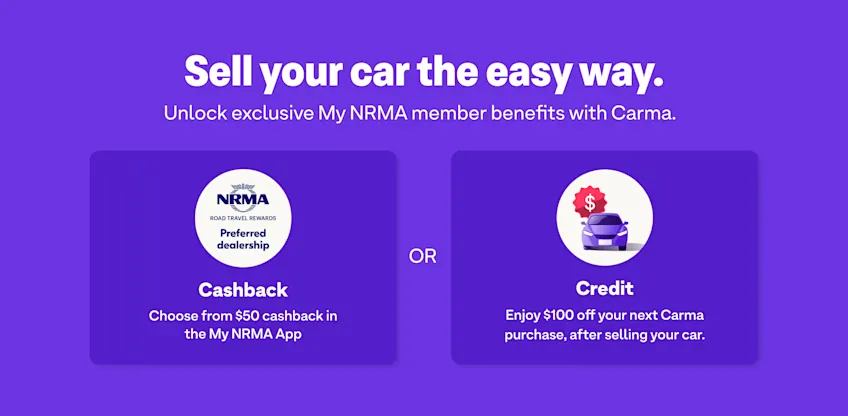
Plus, if you're a My NRMA Rewards member, you'll also enjoy an exclusive benefit when you sell to Carma. Choose between $50 cashback paid into your My NRMA account or $100 off your next Carma purchase, making it even more rewarding to sell with confidence.
Cruise control can save 7–14% fuel on a flat highway. On a hilly road, it can cost you more. Here's when to use it and when to turn it off.
The documents you need when selling a car with finance owing in Australia: payout letters, PPSR discharge, finance agreements, and what to hand over at settlement.
We’ve won and been finalists for awards in recognition of our efforts to provide the best care and innovation to our customers.


^ Estimated repayment calculation based on an average rate calculated across all fixed P&I used car loans offered by Carma preferred financiers to eligible applicants purchasing a vehicle aged 0-7 years from build date. The interest rates displayed are guides only and does not reflect an offer for any particular product or your situation and does not imply credit is available to you at this rate. Repayments as a result of this simulation can vary based on your personal circumstances including your credit worthiness. Final rate and all applications subject to financier approval. Fees and charges apply. The direct debit frequency options available from financiers may differ.
†within Greater Sydney
NSW Motor Dealer’s Licence: MD087139 • NSW Motor Vehicle Repairer: MVRL59465
© 2026 Carma
Cars worth knowing about. Tips and news worth reading. All direct to your inbox.