Does cruise control actually save fuel?
Cruise control can save 7–14% fuel on a flat highway. On a hilly road, it can cost you more. Here's when to use it and when to turn it off.

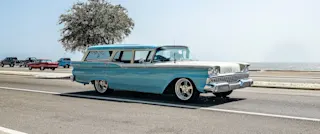
They used to have plentiful ashtrays, far fewer seatbelts and a confusing array of seats for the kids. Some had faux timber panelling, and pretty much all of them gave off suburban Dad vibes.
The station wagon was once far more common both on the roads and on our screens, but today their popularity has dwindled. So is the station wagon an endangered species? In some ways, yes, and in other ways, it might be just about due for a revival.
Technically, a station wagon is a variant of a sedan car that has a longer roof extended over a shared passenger and cargo area. There’s generally plenty of space behind the back seats, and a door at the back for loading and unloading. Think of something shorter than a hearse, but longer than a hatchback.
Station wagons first started out as a vehicle to transport passengers and their luggage from train stations from the 1910s onwards. Evolving from timber bodies to steel, the faux wood panelling that often comes to mind was a clear homage to those very early days. These days, station wagons are fairly sleek and streamlined rather than boxy and angular.
Here in Australia, we tend to just call them wagons, while in the UK they often have the moniker of estate car. And in Germany, they’ve long been known as a Kombi. You’ll realise why they shorten it to that when you see the full name: Kombinationskraftwagen.
There was a time when station wagons were the ultimate symbol of American family culture, with some really beautiful and desirable designs in the 50s and 60s. Australian designs also rose to the demand, with wagon options in the Holden Commodore, Belmont and Kingswood – as well as the Ford Fairmont and Falcon wagons. For a while, it seemed like every family drove one.
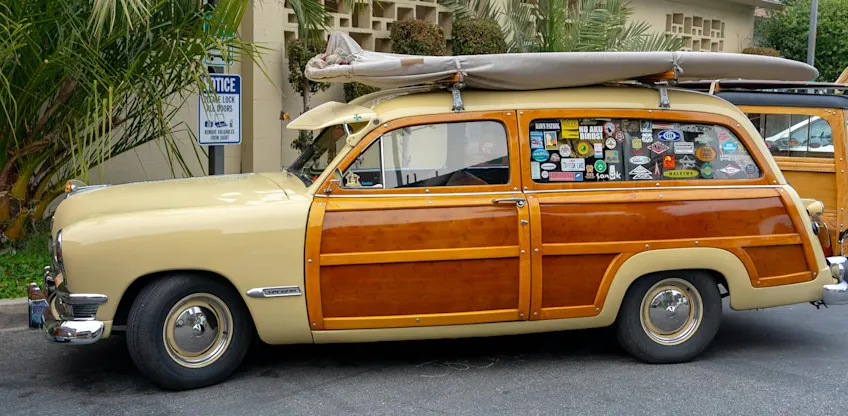
Of course, the station wagon’s appeal lies in its ability to transport a lot of people and a lot of cargo. As well as its versatility for families, it also played a massive role in surf culture both in Australia and along America’s surf coast. Station wagons could hold a surfboard, a mattress or both – as well as whoever wanted to come along for the journey.
As the years went on and trends changed, station wagons were used in Hollywood movies as a sign of someone being frugal, outdated or even a little bit tragic. If you’re of the right age and have exquisite taste in movies, you might remember the Muppets’ station wagon in The Muppet Movie. That particular model was a 1949 Ford Super De Luxe. You might also have spotted station wagons in Breaking Bad, National Lampoon's Vacation, The Sopranos and Ghostbusters.
Believe it or not, some of the most embarrassing station wagons of the 80s and 90s now have cult followings. On the whole, though…
The numbers pretty much prove that station wagons are not exactly in their heyday anymore, with their popularity fading drastically since the 2010s. People are tending towards bigger vehicles, particularly here in Australia. As such, the more popular choice for families tends to be SUVs, modern utes or even the humble people mover that offer a bit more leg room and visibility.
There is still a subset of drivers who love this nimble yet roomy vehicle shape. These days, if you’re looking to buy a station wagon either new or second-hand you’ll probably be looking at the European makers such as Skoda, VW, Peugeot, Audi and Volvo. In fact, European sales make up most of the global demand for station wagons.
Part of the reason for this is that SUVs are deemed too big in many European countries, and station wagons fit a lot of cargo space into a mid-size car. Other factors are the low centre of gravity (hello, Autobahn!) and the modern styling, which makes these options look deceptively sleek for their relative spaciousness. Chinese manufacturers are also venturing into the station wagon market, offering up some pretty cool new electric models.
Personally, we’re all for the pure practicality of the station wagon. What’s not to love about the handling and park-a-bility of a small car with the space of a much larger one?
Whether you’re all about the wagon, the SUV, the coupé or the ute, you’ll find it all at Carma – and you can be sure every second-hand vehicle is modern, checked over and provided with a 3-month warranty.

The documents you need when selling a car with finance owing in Australia: payout letters, PPSR discharge, finance agreements, and what to hand over at settlement.
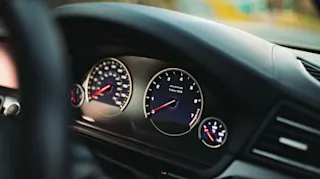
Not all trim upgrades are worth paying for. Here's which features justify the premium, which ones don't, and how to think about it on a used car.
Cars worth knowing about. Tips and news worth reading. All direct to your inbox.
We’ve won and been finalists for awards in recognition of our efforts to provide the best care and innovation to our customers.


^ Estimated repayment calculation based on an average rate calculated across all fixed P&I used car loans offered by Carma preferred financiers to eligible applicants purchasing a vehicle aged 0-7 years from build date. The interest rates displayed are guides only and does not reflect an offer for any particular product or your situation and does not imply credit is available to you at this rate. Repayments as a result of this simulation can vary based on your personal circumstances including your credit worthiness. Final rate and all applications subject to financier approval. Fees and charges apply. The direct debit frequency options available from financiers may differ.
†within Greater Sydney
NSW Motor Dealer’s Licence: MD087139 • NSW Motor Vehicle Repairer: MVRL59465
© 2026 Carma
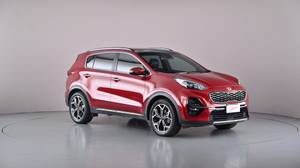
2020 Kia Sportage
GT-LINE (AWD)
106,913 km • Automatic
$22,990
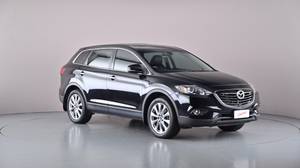
2015 Mazda CX-9
LUXURY (FWD)
145,310 km • Automatic
$13,990
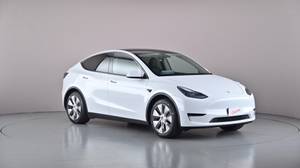
2023 Tesla Model Y
REAR-WHEEL DRIVE
10,209 km • Automatic
$46,990
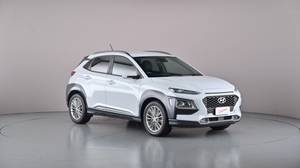
2018 Hyundai Kona
ELITE (FWD)
83,447 km • Automatic
$19,990
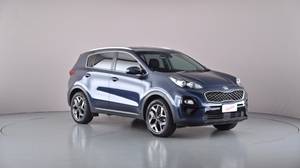
2020 Kia Sportage
SX (FWD)
118,378 km • Automatic
$18,990
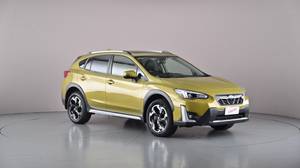
2020 Subaru XV
HYBRID S AWD
36,040 km • Automatic
$27,990
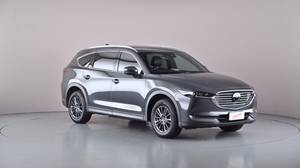
2020 Mazda CX-8
TOURING (FWD)
50,204 km • Automatic
$29,990
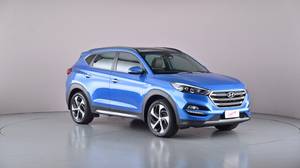
2016 Hyundai Tucson
HIGHLANDER (AWD)
53,124 km • Automatic
$22,990
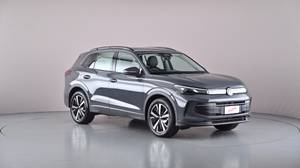
2025 Volkswagen Tiguan
110TSI LIFE
9,759 km • Automatic
$44,990
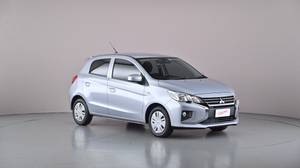
2021 Mitsubishi Mirage
ES
40,135 km • Manual
$12,990
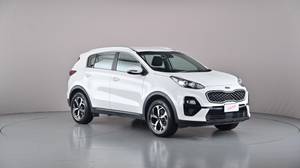
2020 Kia Sportage
S (FWD)
52,883 km • Automatic
$22,990