
8 common mistakes to avoid when selling your car
The 8 most common mistakes when selling your car privately in Australia — from overpricing to the Notice of Disposal most sellers forget to lodge.

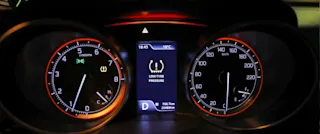

Have you ever noticed a yellow icon on your dashboard that looks like a horseshoe with an exclamation mark? That is your Tyre Pressure Monitoring System (TPMS). While it might seem like just another sensor, it is actually one of the most important safety features in your vehicle.
At Carma, we’re all about preventative maintenance. Understanding how your TPMS works can save you money at the fuel pump, extend the life of your tyres, and most importantly keep you safe on the road.
The Tyre Pressure Monitoring System is an electronic system designed to monitor the air pressure inside your tyres. Its primary job is to provide a low tyre pressure warning to the driver when one or more tyres fall below a safe operating level.
When your tyres aren't properly inflated, your safety is at risk. It affects everything from tyre traction, braking distances and to see how your car handles turning a sharp corner.
When your tyres aren't properly inflated, your safety is at risk. It affects everything from tyre traction, braking distances and to see how your car handles turning a sharp corner.
There are two types of TPMS that are available today.
1. Direct TPMS
This is the most common and accurate system. It uses physical TPMS sensors mounted inside each wheel to measure the exact air pressure and temperature.
2. Indirect TPMS
Instead of measuring air pressure directly, this system uses the vehicle’s Anti-lock Braking System (ABS) wheel speed sensors.
The logic: An underinflated tyre has a slightly smaller diameter, meaning it has to spin faster than a properly inflated one to keep up. The computer detects this difference in "rotational speed" and triggers the light.
The benefit: It’s cheaper to maintain because there are no sensors in the tyres to replace.
The downside: It is less accurate and must be "reset" every time you add air or rotate your tyres.
Think of your TPMS as a cost-saving assistant. Here is why keeping those pressures in the at optimal level matters:
Improved fuel efficiency: When tyres are underinflated, they create more "rolling resistance." This means your engine has to work harder and burn more fuel to move the car. Proper inflation is one of the easiest car maintenance tips to lower your fuel bills.
Reduced tyre wear: Incorrect pressure causes tyres to wear unevenly. Underinflation wears out the edges of the tyre, while overinflation wears out the centre. Keeping them balanced ensures you won't need to replace your tyres as often.
Enhanced control and safety: Your car’s suspension and braking systems are designed to work with a specific tyre footprint. Properly inflated tyres ensure optimal driving performance, especially in wet or slippery conditions where tyre traction is life-saving.
Your dashboard can tell you more than just "low air." Depending on how the light behaves, it could mean different things which require different solutions.
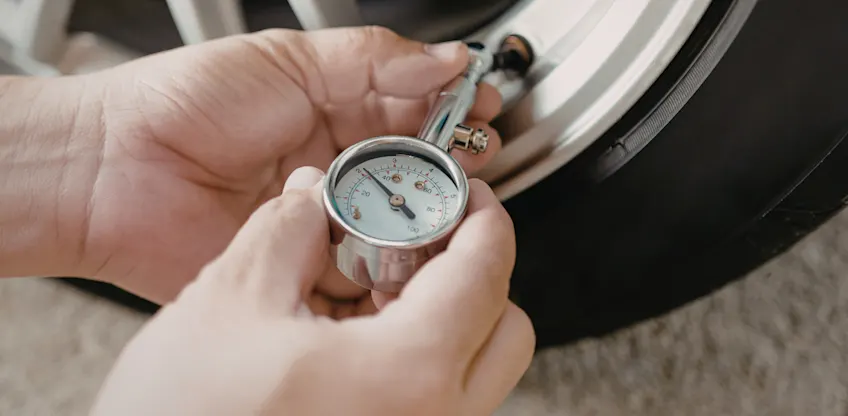
This is most common for drivers where the light stays on solidly. This means one or more tyres are below the recommended level. You should check your pressures as soon as possible. There are a few ways to do this:
To inflate your tyres: All service stations have free-to-use air pumps. You can set the recommended PSI on the machine, attach the hose to the tyre valve and the machine will show your current pressure and automatically inflate it! It will also show the conversion numbers of kPa and Bar.
To deflate your tyres: If your tyres are over inflated, you can lightly press down on the small metal pin inside the valve. Air will start to hiss out until you stop pressing into the pin. Repeat the process until you reach the recommended PSI, kPa and Bar.
If the light comes on suddenly while driving, you may have a puncture or a "slow leak." Pull over safely and inspect the tyre for nails or damage. If a puncture is found, replace the tyre.
If the warning light flashes for approximately one minute before remaining solid, the system itself requires attention rather than your tyre pressure. This typically indicates a failed sensor battery. While the vehicle remains drivable, we recommend having an expert replace the sensors promptly. Because these batteries have similar lifespans, we advise replacing the full set. If one battery has failed, the others are likely close behind.
For Direct TPMS users, remember that TPMS sensors have a lifespan of about 5 to 10 years. If you are getting new tyres fitted, it is a great time to ask your mechanic to check the sensor batteries. While you can sometimes DIY a replacement, it's usually best to let an expert handle it to ensure the sensors are synced correctly with the car’s computer.
Our TPMS is your first line of defence against a flat tyre. By paying attention to that little dashboard light, you’re looking after your car, your wallet, and your safety.
Want to learn more about keeping your car in top shape? Check out our guide on how to check your tyre pressure and tread or explore our monthly car maintenance checks for more expert advice.
Cruise control can save 7–14% fuel on a flat highway. On a hilly road, it can cost you more. Here's when to use it and when to turn it off.

The documents you need when selling a car with finance owing in Australia: payout letters, PPSR discharge, finance agreements, and what to hand over at settlement.
We’ve won and been finalists for awards in recognition of our efforts to provide the best care and innovation to our customers.


^ Estimated repayment calculation based on an average rate calculated across all fixed P&I used car loans offered by Carma preferred financiers to eligible applicants purchasing a vehicle aged 0-7 years from build date. The interest rates displayed are guides only and does not reflect an offer for any particular product or your situation and does not imply credit is available to you at this rate. Repayments as a result of this simulation can vary based on your personal circumstances including your credit worthiness. Final rate and all applications subject to financier approval. Fees and charges apply. The direct debit frequency options available from financiers may differ.
†within Greater Sydney
NSW Motor Dealer’s Licence: MD087139 • NSW Motor Vehicle Repairer: MVRL59465
© 2026 Carma
Cars worth knowing about. Tips and news worth reading. All direct to your inbox.