
Why does my car shake when I'm stopped at the lights?
A car shaking at idle usually comes down to four causes. Here's how to read what your car is telling you and which ones can wait vs. which ones can't.


A long road trip can be one of the most enjoyable ways to explore Australia – whether you're cruising the coastline, heading into the outback, or venturing between states. But before you get behind the wheel and start racking up the kilometres, it’s important to make sure your car is up to the task. A bit of preparation can go a long way in keeping your trip safe, smooth, and stress-free. Here's how to get your car road-trip ready, with a few extra tips if you're driving an electric vehicle (EV).
Even if your car’s been running fine lately, a long drive can put added strain on its systems. That’s why a quick inspection before you leave is always worth your time.
Check your tyre pressure and tread depth. Under-inflated tyres reduce fuel efficiency and can overheat on long drives, while worn-out tread compromises grip, especially in wet conditions. Don’t forget the spare tyre (if your car has one); make sure it’s inflated and in good condition.
Pop the bonnet and check your car’s key fluids. That can include engine oil, coolant, brake fluid, windscreen washer fluid and transmission fluid. Top up where needed and make a note if anything looks dirty or low, as that could point to a larger issue.
If your battery is a few years old or you’ve noticed slower starts lately, it’s worth having it tested before you hit the road. A failing battery can leave you stranded in the middle of nowhere (not ideal).
Check that all your exterior lights are working properly, including brake lights, indicators, reverse lights and fog lights. You might need someone to help you confirm the rear ones.
If you’ve heard squealing or felt any shuddering when braking, don’t ignore it. Have a mechanic inspect the brake pads and rotors before your trip.
Clean windscreens are essential for visibility, especially if you're driving through different climates. Make sure your wiper blades are in good condition and top up the washer fluid. If your wiper blades are worn out, follow this guide on how to replace wiper blades.
Pack an emergency kit with items like a first aid kit, torch, jumper leads, water, a tyre repair kit or sealant, basic tools, and phone chargers. If you're heading somewhere off-road, consider a portable air compressor and satellite GPS as well.
Driving an EV on a long journey is easier than ever, but it does take some additional planning. Here’s what to keep in mind:
Use apps like PlugShare, Chargefox, or your car’s built-in navigation system to map out charging stations along your route. Not all chargers are equal. Look for fast DC chargers (typically 50kW or higher) for quicker top-ups. If you're staying overnight somewhere, see if there’s an AC charger nearby or at your accommodation. Try to keep some buffer range in case of detours or delays on your drive. Running an EV battery too low can also affect its long-term health.

Always keep your charging cables with you, including both AC (Type 2) and DC fast-charging cables if needed. Some remote stations may require BYO cable.
While manufacturers list a certain range, your actual distance between charges may vary based on speed, elevation, temperature, and cargo weight. Driving conservatively can extend your range significantly.
No matter what you drive, being prepared is key to enjoying your journey without unexpected breakdowns or delays. Taking time to check your car’s condition before setting off, and planning ahead will help you stay safe, comfortable and confident on the road. So pack your bags, pull up your favourite playlists (or true crime podcasts), and enjoy the open road with peace of mind. If you’re looking for some inspiration, we’ve got just the guide to the best road trips out of Sydney.

The 8 most common mistakes when selling your car privately in Australia — from overpricing to the Notice of Disposal most sellers forget to lodge.
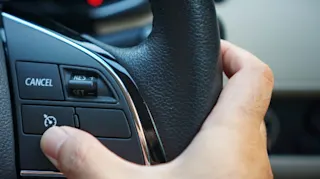
Cruise control can save 7–14% fuel on a flat highway. On a hilly road, it can cost you more. Here's when to use it and when to turn it off.
We’ve won and been finalists for awards in recognition of our efforts to provide the best care and innovation to our customers.


^ Estimated repayment calculation based on an average rate calculated across all fixed P&I used car loans offered by Carma preferred financiers to eligible applicants purchasing a vehicle aged 0-7 years from build date. The interest rates displayed are guides only and does not reflect an offer for any particular product or your situation and does not imply credit is available to you at this rate. Repayments as a result of this simulation can vary based on your personal circumstances including your credit worthiness. Final rate and all applications subject to financier approval. Fees and charges apply. The direct debit frequency options available from financiers may differ.
†within Greater Sydney
NSW Motor Dealer’s Licence: MD087139 • NSW Motor Vehicle Repairer: MVRL59465
© 2026 Carma
Cars worth knowing about. Tips and news worth reading. All direct to your inbox.