
What to do when your car overheats
Car overheating? Learn why it happens, what to do (and avoid), and follow our step-by-step guide to stay safe and prevent engine damage.

Driving with a clean, streak-free windscreen is essential for visibility on the road. Not being able to see what’s around you can be dangerous, especially at night when visibility is lower. That’s why having windscreen washer wipers with washer fluid topped up and readily available to clean your windscreen whenever you’re driving is so important.
Refilling windscreen washer fluid is a quick and simple task that you can do in two minutes. Here’s a step-by-step guide by Carma Lead Technician James Weaver on how to ensure clear visibility by keeping your windscreen wiper fluid topped up.
Windscreen washer fluid does need to be refilled as it gets used regularly on the road. ‘We recommend refilling windscreen washer fluid once a month to keep it topped up as using wipers on dry glass can damage the windscreen,’ says James, ‘I also recommend using your washers at least once a week to prevent the washer jets from clogging up’.
Depending on your driving conditions, you may need to refill more often if you’re using your wipers in the rain or in dusty areas. On many cars, you’ll also find an indicator on the dashboard that alerts you to fill up your washer fluid soon.

Water can come in handy when you’re running low on washer fluid, but water alone might not be enough to keep your windscreen gunk and streak-free. ‘Typically I’d use a concentrated or pre-mixed washer fluid that you can pick up at your local auto store or petrol station,’ recommends James, ‘these solvents can effectively clean off bugs, bird droppings and grime that collects on windshields.’
Park your vehicle on a level surface and turn off the engine. Use the bonnet release hatch and open the bonnet and prop it up with the provided support rod.
Look for a plastic container with a cap that has a windshield washer symbol. On most cars like SUVs, hatchbacks and utes, it's usually near the front of the engine bay and is translucent so you can see the fluid level. ‘Make you’ve properly located the washer fluid reservoir as pouring the wrong fluid where your coolant or engine oil should be will damage your car,’ adds James, ‘you can always check the owner’s manual if you’re not sure’.

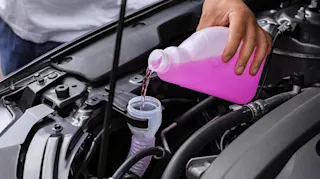
Slowly pour the washer fluid into the reservoir through a funnel or measuring jug. If you’re using a concentrate, follow the product instructions on how much fluid you’ll need and how much water to top up.
Once you've added enough fluid and water to dilute, flip the cap back on the reservoir. Close the bonnet, then you’re done!


How much could I sell my car for? See how fair wear and tear impacts your car’s value, from tyres to paint, and how to keep it in top condition.
Stay safe on the road with these essential monthly car maintenance checks. From engine oil to tyre pressure, learn how to keep your car running smoothly and avoid costly repairs.
We’ve won and been finalists for awards in recognition of our efforts to provide the best care and innovation to our customers.


^ Estimated repayment calculation based on an average rate calculated across all fixed P&I used car loans offered by Carma preferred financiers to eligible applicants purchasing a vehicle aged 0-7 years from build date. The interest rates displayed are guides only and does not reflect an offer for any particular product or your situation and does not imply credit is available to you at this rate. Repayments as a result of this simulation can vary based on your personal circumstances including your credit worthiness. Final rate and all applications subject to financier approval. Fees and charges apply. The direct debit frequency options available from financiers may differ.
†within Greater Sydney
NSW Motor Dealer’s Licence: MD087139 • NSW Motor Vehicle Repairer: MVRL59465
© 2026 Carma
Cars worth knowing about. Tips and news worth reading. All direct to your inbox.